Powdery mildew: how to get rid of it and keep it away
Powdery mildew looks like someone dusted your plant with flour. It’s a fungus that rarely kills a plant, but it spreads quickly and weakens it if left alone.
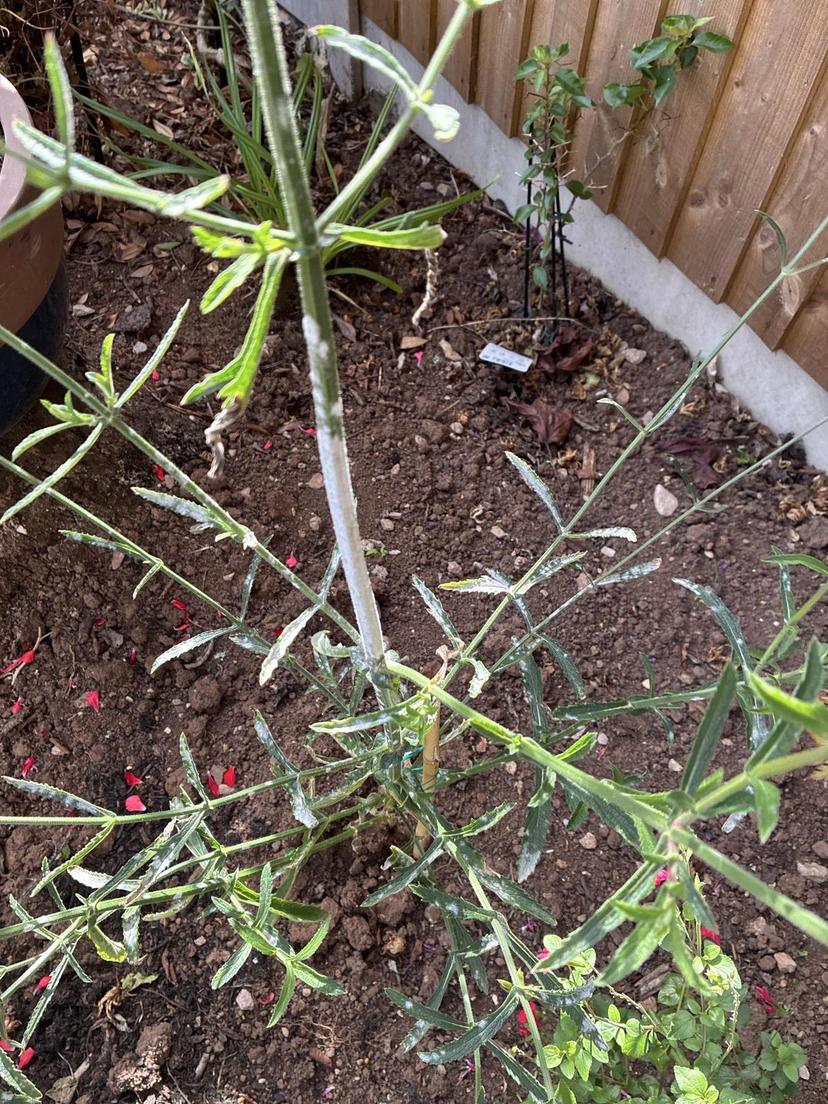 Tall verbena · from a Gardeno health check
The short answerPowdery mildew is a fungus that covers leaves in a white or grey powdery coating. It thrives in still air, crowded plants and big swings between warm days and cool nights. Remove the worst leaves, wipe or rinse the rest, improve the air flow, and spray with a fungicide or a weak baking soda solution every week until it’s gone. Keep water off the leaves and give plants space.
Signs of powdery mildew
It usually starts as small white spots that spread into a dusty film.
What causes powdery mildew
Still air. Without air movement, spores settle and grow easily.
Crowded plants. Leaves touching each other trap humid air around them.
Warm days, cool nights. The swing in humidity is ideal for the fungus.
Low light and stress. Weak plants in dim spots are infected more easily.
How to treat powdery mildew, step by step
- Isolate the plantMove it away from other plants so the spores don’t spread.
- Remove the worst leavesCut off badly covered leaves and bin them; don’t compost them.
- Wipe or rinse the restWipe leaves with a damp cloth, or rinse them in the morning so they dry quickly.
- Spray weeklyUse a houseplant fungicide, or 1 teaspoon of baking soda and a drop of washing-up liquid in 1 litre of water. Test on one leaf first.
- Improve the air flow and lightGive it space, a brighter spot and some air movement while it recovers.
Keep spraying weekly for two or three weeks after the last white spots disappear, as the spores linger.
How to prevent powdery mildew
Plants prone to powdery mildew
21 plants in our encyclopedia list powdery mildew as a common problem. Here they are, with the advice for each; photos marked “Health check” show the problem itself.
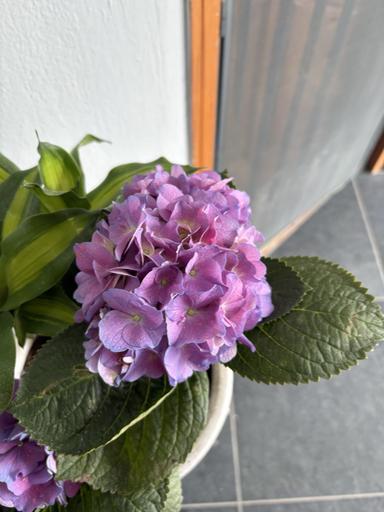 Bigleaf HydrangeaHydrangea macrophyllamildA white coating on leaves is usually caused by poor airflow; improve spacing and avoid wetting the foliage.
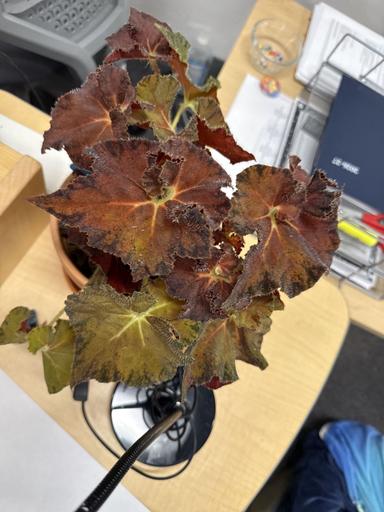 Rex BegoniaBegonia rex-cultorummildA white dusty coating can develop in stagnant, humid conditions. Improve airflow and remove affected leaves if needed.
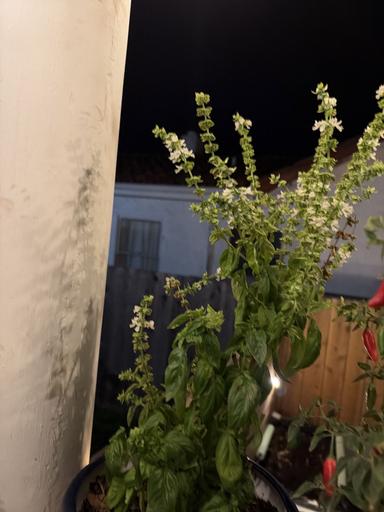 Sweet BasilOcimum basilicummoderateWhite dusty coating can appear in humid, crowded conditions; improve airflow and avoid wetting leaves at night.
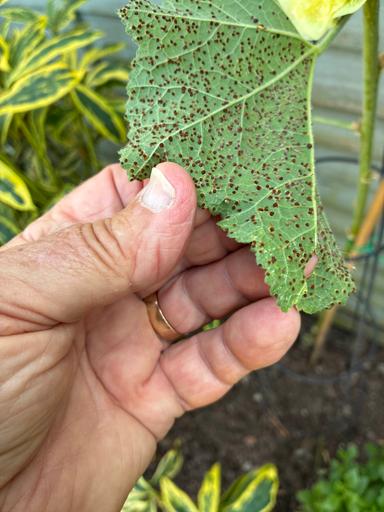 OkraAbelmoschus esculentusmoderateWhite, powdery spots on leaves, especially in humid conditions. Improve air circulation and use fungicides.
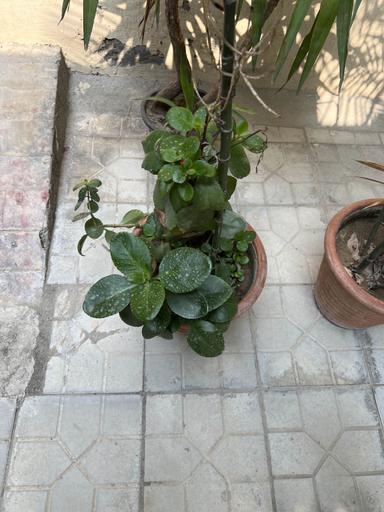 Flaming KatyKalanchoe blossfeldianamildA white fungal coating can appear in damp, stagnant conditions; improve airflow and avoid wetting the leaves.
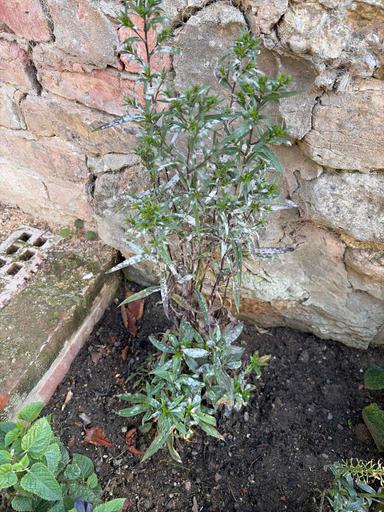 Purple loosestrifeLythrum salicariamildA white coating on leaves can appear in humid or crowded plantings; improve airflow and remove affected foliage.
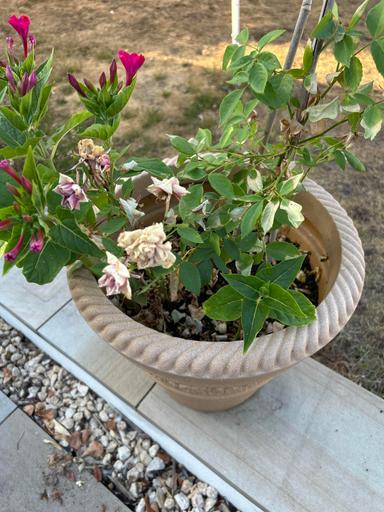 Four O'Clock FlowerMirabilis jalapamildWhite powdery spots on leaves, especially in humid conditions. Improve air circulation and use a fungicide.
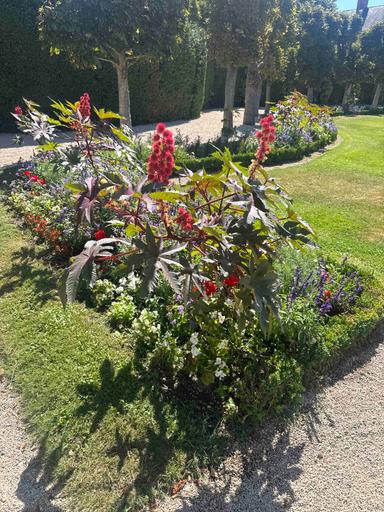 Castor BeanRicinus communismildWhite powdery spots on leaves. Improve air circulation and use fungicides if severe.
From Gardeno’s plant health checks
Powdery mildew FAQ
Is powdery mildew harmful to people or pets?
It isn’t considered harmful to people or pets, but it weakens plants. Treat it promptly so it doesn’t spread.
Does baking soda really work?
It can help with mild cases by changing the leaf surface so the fungus struggles. Use about 1 teaspoon per litre with a drop of washing-up liquid, and test on one leaf first.
Can powdery mildew spread to other plants?
Yes. The spores travel on air currents, so keep an infected plant apart until it’s clear.
Is it mildew or mealybugs?
Mildew is a flat, dusty film that wipes off. Mealybugs are small cottony clumps, usually in leaf joints, that move if you look closely.
This guide is for general plant care. Per-plant advice is AI-generated from Gardeno scans and may be inaccurate; check with an expert for valuable plants.
