 Easy care
 Shared by a Gardeno user
Castor Bean
Ricinus communis
Also known as: Castor Oil Plant, Palma Christi, African Wonder Tree
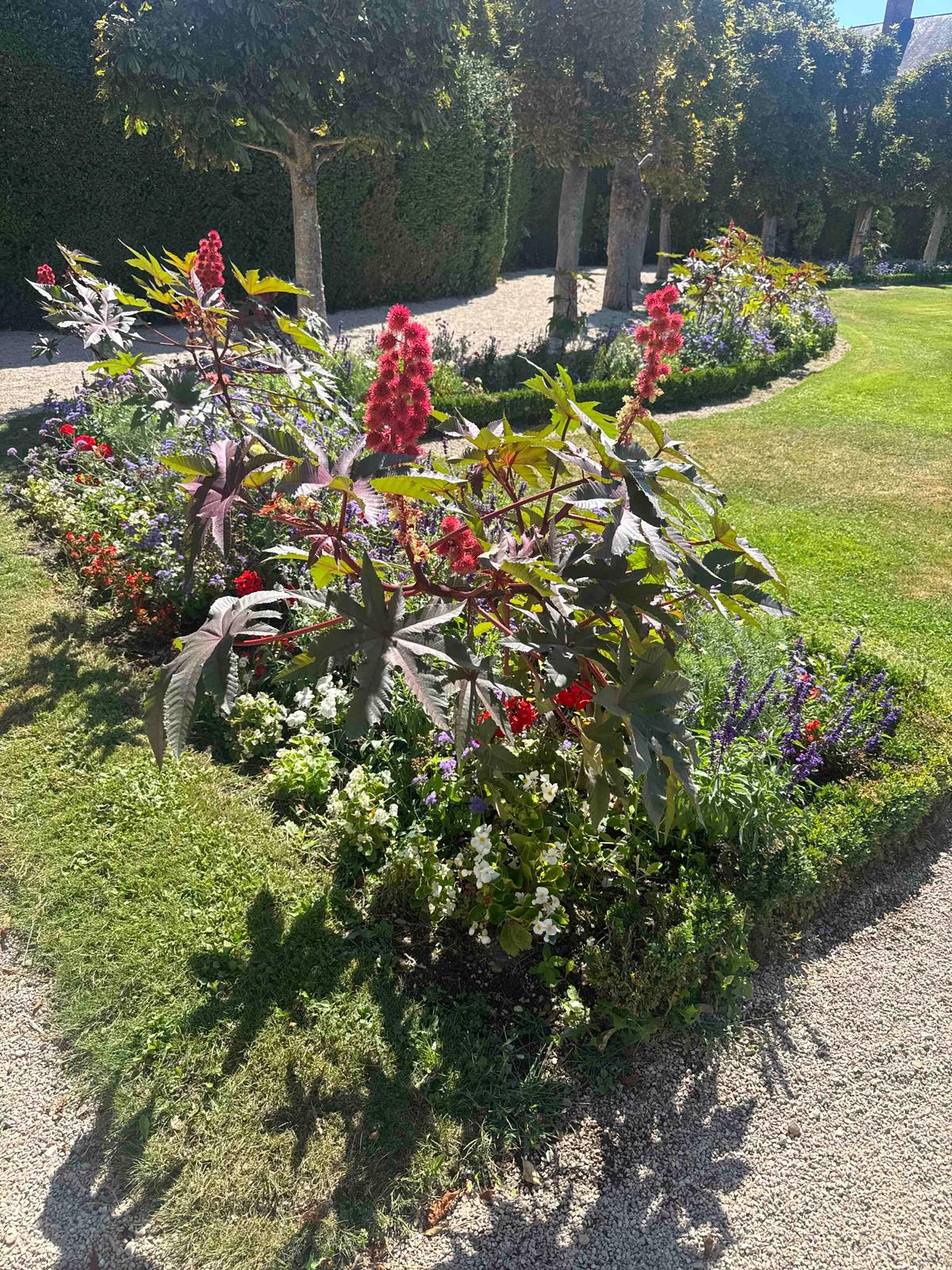
The Castor Bean plant is a fast-growing, large annual known for its striking palmate leaves, which can be green or reddish-purple. It produces unique spiky seed pods, often red or pink, that contain highly toxic seeds. This plant is often grown for its ornamental value in gardens.
Safety
Toxicity information is AI-generated and may be inaccurate. Always check with a vet or doctor before relying on it around children or pets.
Perks
Basic info
- Family
- Euphorbiaceae
- Genus
- Ricinus
- Plant type
- Annual
- Native region
- Africa, India
- Difficulty
- Easy
Fun fact
Castor oil, derived from the seeds, is used in various industrial and medicinal applications, but the raw seeds are deadly poisonous.
Care profile
Difficulty
Easy
Toughness
High
Maintenance
Low
Watering
Regularly moist
Care tips
- 1
Plant in well-draining soil.
- 2
Provide consistent moisture.
- 3
Protect from strong winds.
Common problems
Spider Mites Mild
Tiny pests causing stippling on leaves. Treat with insecticidal soap or neem oil.
Read our spider mites guide →Root Rot Moderate
Caused by overwatering in poorly draining soil. Ensure good drainage and avoid waterlogging.
Read our root rot guide →Powdery Mildew Mild
White powdery spots on leaves. Improve air circulation and use fungicides if severe.
Read our powdery mildew guide →History
Originating in Africa and India, Ricinus communis has been cultivated for thousands of years, primarily for its oil. Ancient Egyptians used castor oil for lamps and medicine, and it was also used in traditional medicine in India and China. Its ornamental value in gardens became popular much later.
Popular questions
How often should I water my Castor Bean plant?
Castor Bean plants prefer consistently moist soil, especially during hot, dry periods. Water deeply when the top inch or two of soil feels dry to the touch, but avoid waterlogging to prevent root rot.
Why are the leaves on my Castor Bean plant turning yellow?
Yellowing leaves can indicate either overwatering or underwatering. Check soil moisture; if it's soggy, reduce watering. If it's bone dry, increase watering. Nutrient deficiencies can also cause yellowing, so consider a balanced fertilizer.
Can I propagate Castor Bean plants from cuttings?
While possible, Castor Bean plants are most commonly propagated from seeds. Seeds germinate readily when sown directly outdoors after the last frost or started indoors a few weeks prior. Cuttings are less reliable for this plant.