 Easy care
 Shared by a Gardeno user
Purple loosestrife
Lythrum salicaria
Also known as: Salicaire, Purple lythrum
Purple loosestrife is a vigorous perennial known for its tall, wand-like spikes of vivid pink-purple flowers. It thrives in moist conditions and can form dense clumps with narrow, lance-shaped leaves.
Safety
Toxicity information is AI-generated and may be inaccurate. Always check with a vet or doctor before relying on it around children or pets.
Perks
Basic info
- Family
- Lythraceae
- Genus
- Lythrum
- Plant type
- Perennial
- Native region
- Europe and Asia
- Difficulty
- Easy
Fun fact
A single mature plant can produce a huge number of seeds, which is one reason it became such a well-known invasive species in some regions.
Care profile
Difficulty
Easy
Toughness
High
Maintenance
Low
Watering
Weekly
Care tips
- 1
Plant in consistently moist soil for best flowering.
- 2
Deadhead spent blooms to extend the display and reduce self-seeding.
- 3
Cut stems back in late fall or early spring for tidier growth.
Common problems
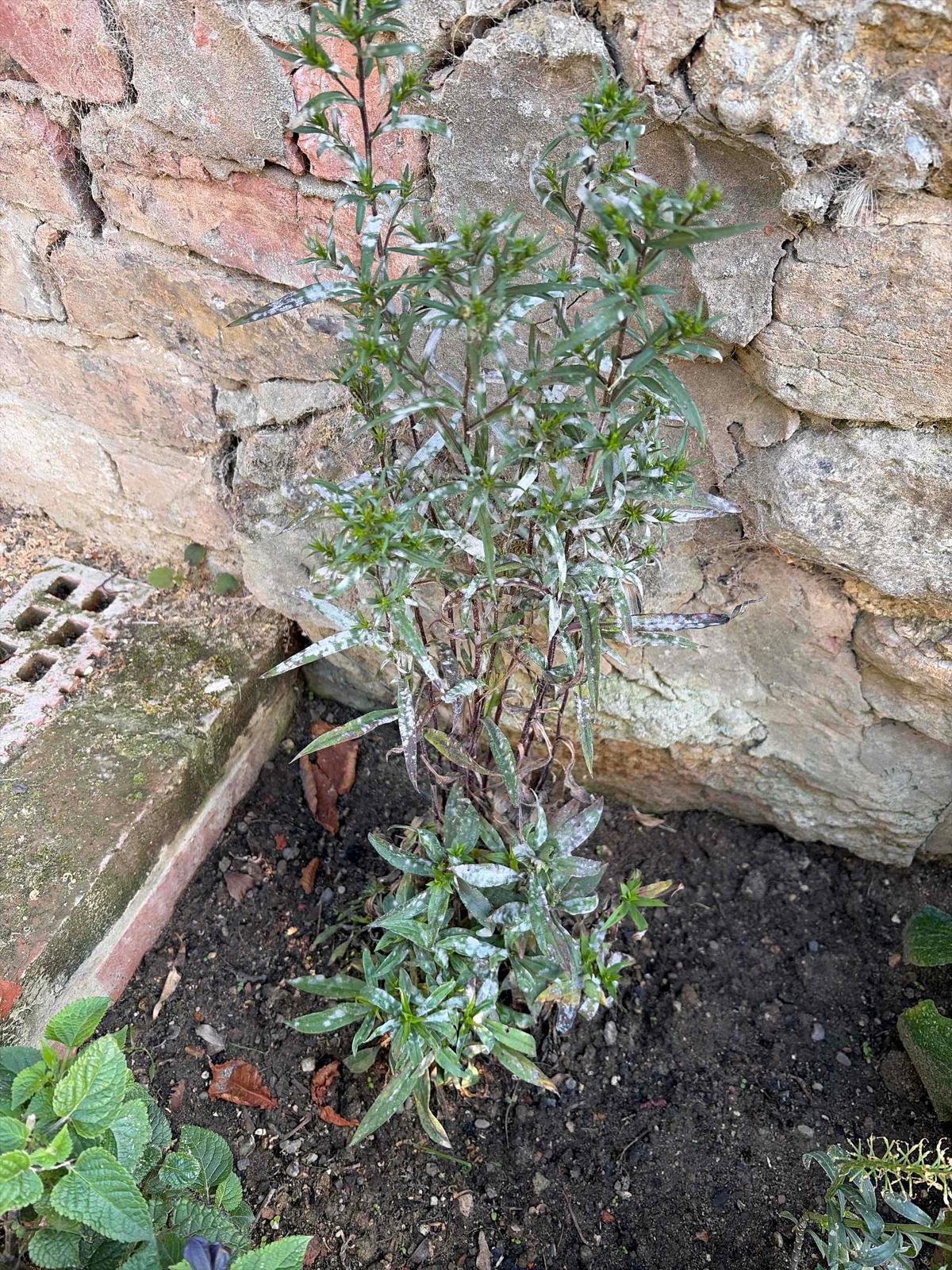
Powdery mildew Mild
A white coating on leaves can appear in humid or crowded plantings; improve airflow and remove affected foliage.
Read our powdery mildew guide →Self-seeding spread Moderate
It can reseed aggressively if flowers are left intact; deadhead before seeds mature to limit spread.
Stem lodging Mild
Tall stems may flop in rich soil or wind; staking or pruning back can help keep the plant upright.
History
Purple loosestrife has long been grown as an ornamental for its dramatic summer bloom spikes. It later gained notoriety in North America because it escaped cultivation and spread into wetlands, where it can crowd out native plants.
Popular questions
How often should I water purple loosestrife?
Water regularly, especially while the plant is establishing, and keep the soil evenly moist. Once established, it tolerates wetter conditions well, but it still performs best with consistent moisture and full sun.
Why are my purple loosestrife stems flopping or the flowers fading early?
Flopping usually happens when the plant gets too much shade, too much nitrogen, or is exposed to strong wind. Move it to a sunnier spot, avoid over-fertilizing, and cut it back after the first bloom flush to encourage sturdier regrowth.
How do I propagate purple loosestrife?
It can be propagated by division in spring or fall, and it also grows readily from seed. If you divide clumps, replant them right away in moist soil and water well until they re-establish.