Spider mites: how to spot them and get rid of them
Spider mites are almost too small to see, which is why they often go unnoticed until the leaves look dull and speckled. They love warm, dry indoor air.
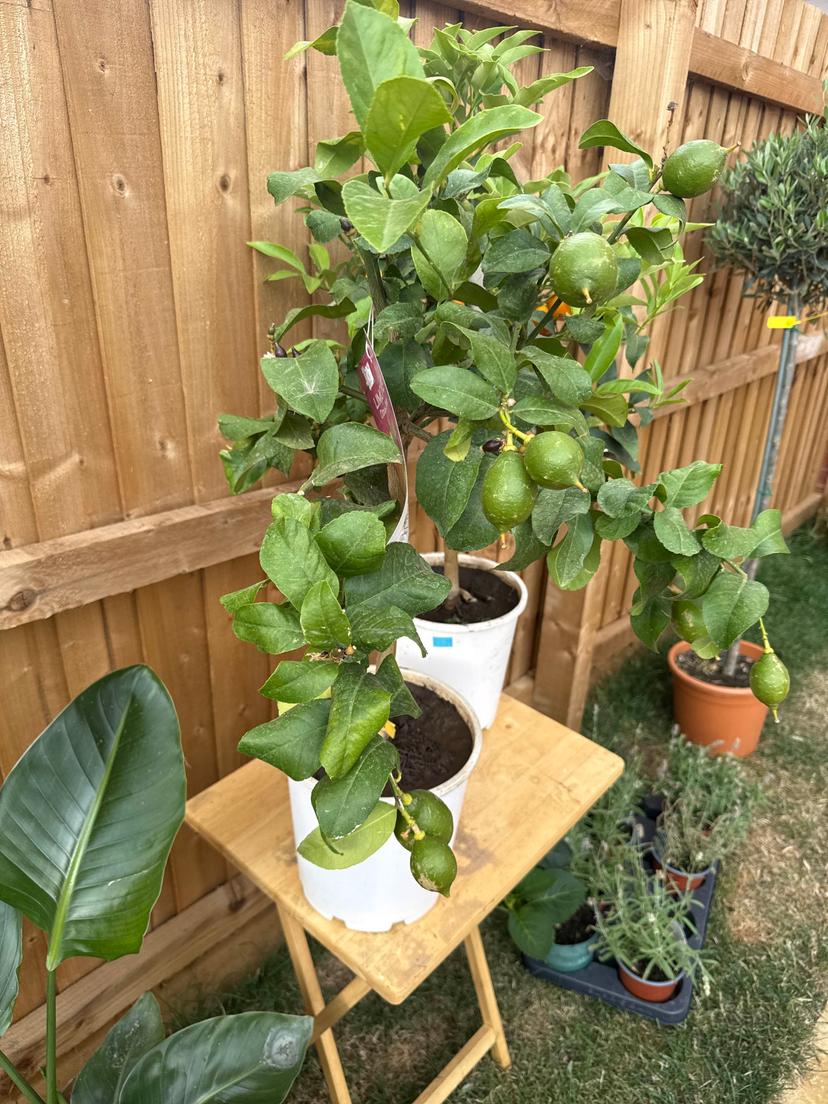 Lime Tree · from a Gardeno health check
The short answerSpider mites are tiny relatives of spiders that suck sap from the undersides of leaves, leaving fine pale speckles and, as they multiply, silky webbing. Isolate the plant, rinse the leaves thoroughly, especially underneath, then treat with insecticidal soap, neem oil or a miticide every 5–7 days for three to four weeks. Raising the humidity makes your home less welcoming for them.
Signs of spider mites
Check the undersides of leaves with a torch or a magnifying glass.
A quick test: wipe the underside of a leaf with a white tissue.
What causes spider mites
Dry, warm air. Heated homes in winter and hot summers are ideal for mites.
New or outdoor plants. Mites hitch a ride on plants, clothes and pets.
Dusty leaves. Dust shelters mites and weakens the plant.
Stressed plants. Thirsty or underlit plants are hit hardest.
How to get rid of spider mites, step by step
- Isolate the plantMites spread easily to neighbouring plants.
- Rinse the whole plantShower it with lukewarm water, especially the undersides of the leaves, to knock off mites and webs.
- Remove the worst leavesCut off heavily webbed or dried leaves and bin them.
- Treat every 5–7 daysSpray insecticidal soap, neem oil or a miticide on every surface, including under every leaf.
- Keep going for 3–4 weeksEggs hatch between treatments, so stopping early lets them return.
- Raise the humidityGroup plants, use a pebble tray or a humidifier, and wipe leaves regularly.
Check under the leaves each week for a month after the last mite. They are easy to miss and quick to rebound.
How to prevent spider mites
Plants that often get spider mites
26 plants in our encyclopedia list spider mites as a common problem. Here they are, with the advice for each; photos marked “Health check” show the problem itself.
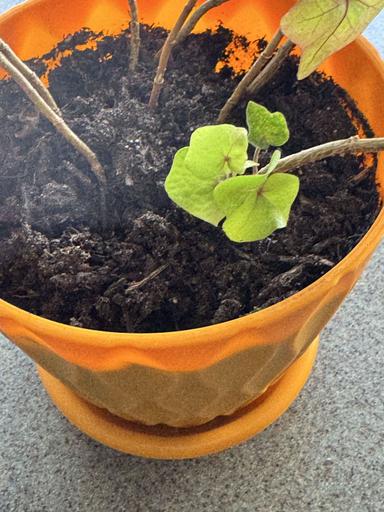 Health checkEnglish ivyHedera helixmoderateTiny pests can cause stippling and dull leaves, especially in dry indoor air; rinse foliage and treat with insecticidal soap if needed.
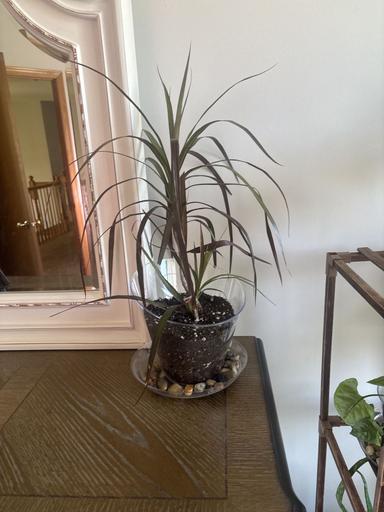 Madagascar dragon treeDracaena marginatamoderateTiny pests can cause stippling and webbing in dry indoor air; rinse leaves and treat with insecticidal soap.
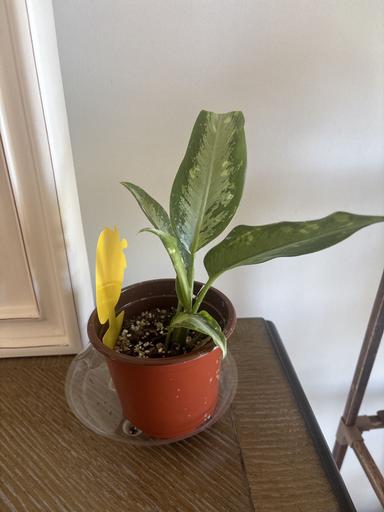 Dumb CaneDieffenbachia seguinemoderateInspect regularly for pests, especially on leaf undersides. Treat infestations with neem oil or insecticidal soap.
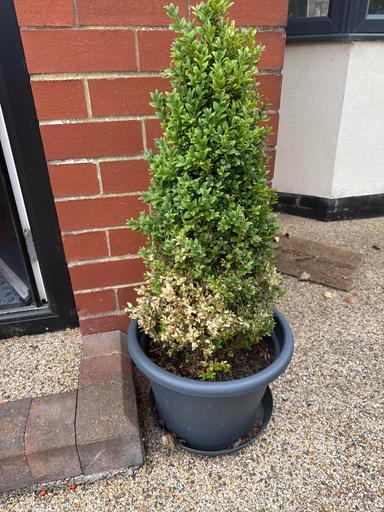 Common BoxwoodBuxus sempervirensmoderateLeaves may look stippled, curled, or damaged; inspect closely and treat early with appropriate horticultural controls.
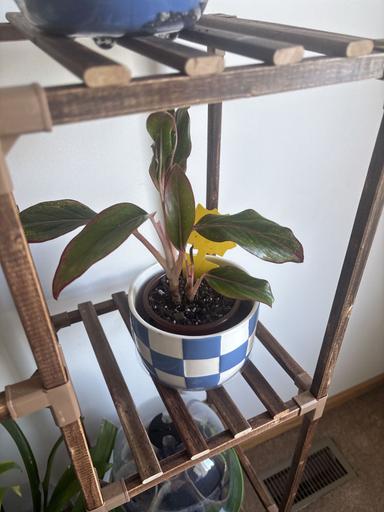 Chinese EvergreenAglaonema commutatummoderateInspect regularly for small insects. Treat with neem oil or insecticidal soap if detected.
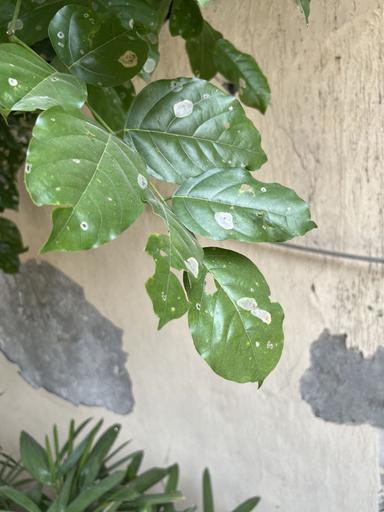 Coffee PlantCoffea arabicamoderateCommon in dry indoor environments. Inspect regularly and treat with insecticidal soap or neem oil if pests are detected.
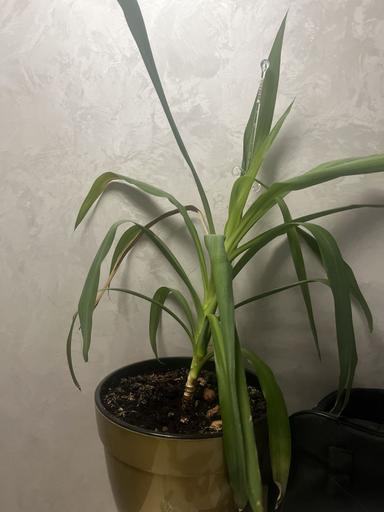 Corn plantDracaena fragransmoderateFine webbing and speckled leaves can appear in dry indoor air. Rinse the foliage and increase humidity while treating with insecticidal soap if needed.
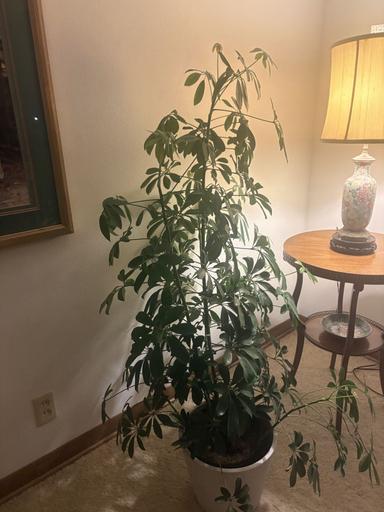 Dwarf Umbrella TreeSchefflera arboricolamoderateFine webbing and stippled leaves can appear in dry indoor air; rinse foliage and increase humidity or treat with insecticidal soap.
From Gardeno’s plant health checks
Spider mites FAQ
Can I see spider mites?
Barely. They’re about the size of a full stop. A magnifying glass, or the tissue test, makes them easy to confirm.
Do spider mites live in the soil?
No, they live on the leaves and stems, mostly on the undersides. You don’t need to change the soil.
Does misting get rid of spider mites?
It won’t get rid of them, but higher humidity slows them down. Rinsing and regular treatment is what clears them.
Can spider mites spread to other plants?
Yes, easily. Keep an infested plant apart and check its neighbours.
This guide is for general plant care. Per-plant advice is AI-generated from Gardeno scans and may be inaccurate; check with an expert for valuable plants.
