Yellow leaves: why they happen and how to fix them
Yellow leaves are the problem we see most in Gardeno health checks. The good news: the pattern of yellowing usually tells you exactly what your plant needs.
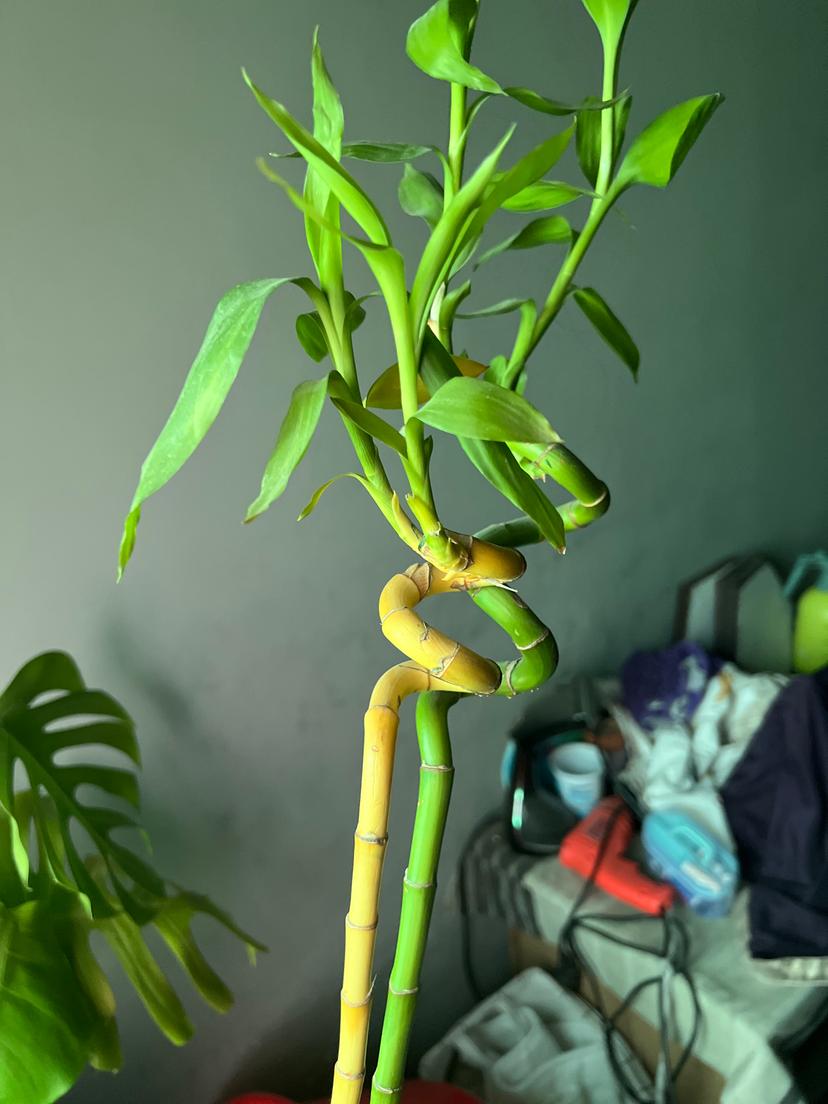 Lucky bamboo · from a Gardeno health check
The short answerLeaves turn yellow when a plant can’t make or keep chlorophyll, most often because the soil stays too wet, the plant gets too little light, or it’s short of nutrients. A few yellow leaves at the bottom of an older plant are normal. Check the soil first: if it’s wet, water less; if it’s dry and the plant droops, water more; if neither, give it more light and feed it during the growing season.
Read the yellowing
Where and how the leaves turn yellow is the best clue to the cause. Look at which leaves are affected and how the soil feels.
What causes yellow leaves
Overwatering. The most common cause. Soil that stays wet starves roots of air, and the leaves yellow from the bottom up. Left too long, it leads to root rot.
Underwatering. Bone-dry soil makes the plant sacrifice its oldest leaves, which turn yellow and crispy.
Too little light. Without enough light a plant can’t support all its leaves, so it lets the lower ones go pale and drop.
Hunger. Plants in the same soil for a long time run short of nitrogen and other nutrients, and older leaves fade first.
Stress from a change. A move, a cold draft or repotting can yellow a few leaves while the plant adjusts.
Pests. Sap-sucking pests such as spider mites, mealybugs and aphids leave yellow speckles or patches.
How to fix yellow leaves, step by step
- Check the soil before anything elsePush a finger a few centimetres into the soil. Wet, dry or just right tells you most of what you need to know.
- Fix the wateringIf it’s wet, let it dry out and water less often. If it’s dry, water thoroughly until it drains, then water when the top few centimetres are dry.
- Check the roots if the soil stays wetSoft, brown or smelly roots mean root rot, which needs repotting. See our root rot guide.
- Give it more lightMove the plant closer to a bright window, out of harsh midday sun unless it’s a sun lover.
- Feed it in the growing seasonUse a balanced houseplant fertiliser at half strength in spring and summer. Don’t feed a plant that’s sick or dry.
- Look for pests and remove yellow leavesCheck under leaves for insects or webbing. Snip off fully yellow leaves; they won’t turn green again.
Leaves that are already yellow won’t recover. Success is no new yellow leaves and fresh growth in the next few weeks.
How to prevent yellow leaves
Plants that often get yellow leaves
58 plants in our encyclopedia list yellow leaves as a common problem. Here they are, with the advice for each; photos marked “Health check” show the problem itself.
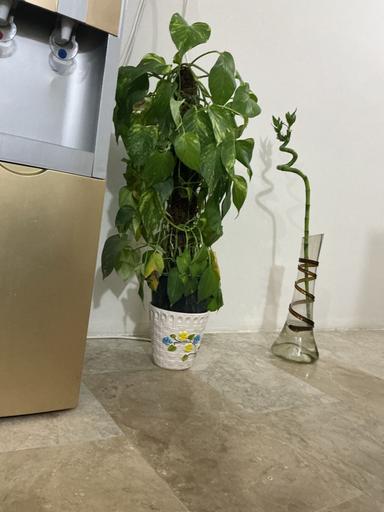 Health checkGolden PothosEpipremnum aureummoderateUsually caused by overwatering or poor drainage; let the soil dry more and make sure the pot drains well.
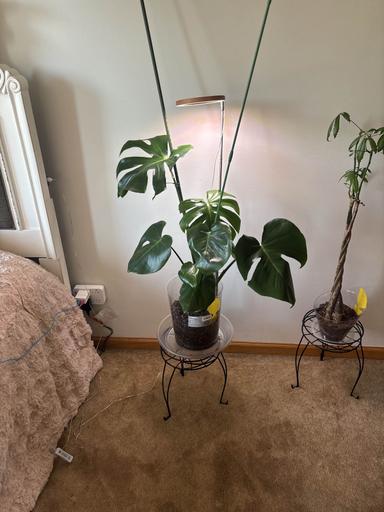 Health checkSwiss Cheese PlantMonstera deliciosamoderateUsually caused by overwatering or poor drainage; let the soil dry a bit more and make sure the pot drains freely.
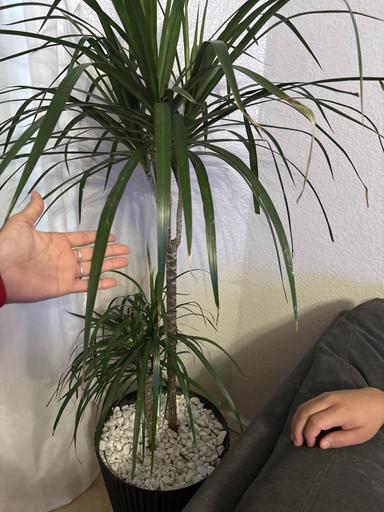 Health checkMadagascar dragon treeDracaena marginatamoderateUsually a sign of overwatering or poor drainage; allow soil to dry more between waterings.
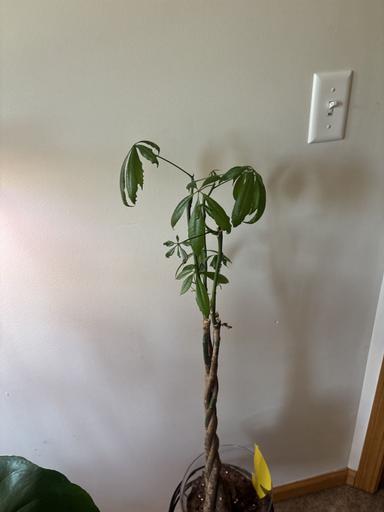 Health checkMoney TreePachira aquaticamoderateUsually caused by overwatering or poor drainage; allow soil to dry more between waterings and check the pot for drainage holes.
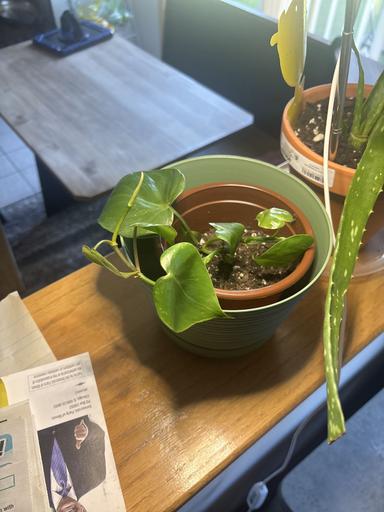 Health checkHeartleaf PhilodendronPhilodendron hederaceummoderateUsually caused by overwatering or poor drainage; allow soil to dry a bit more and make sure excess water can escape.
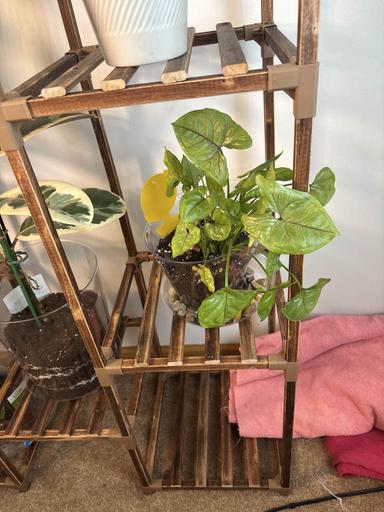 Health checkArrowhead plantSyngonium podophyllummoderateUsually caused by overwatering or poor drainage; let the soil dry slightly between waterings and ensure the pot drains well.
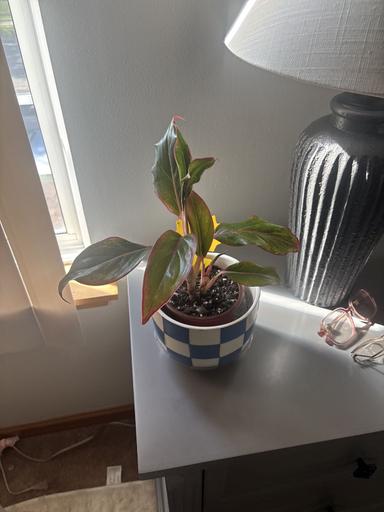 Health checkChinese EvergreenAglaonema commutatummoderateOften caused by overwatering or underwatering. Check soil moisture and adjust watering schedule. Can also be a sign of nutrient deficiency or old age.
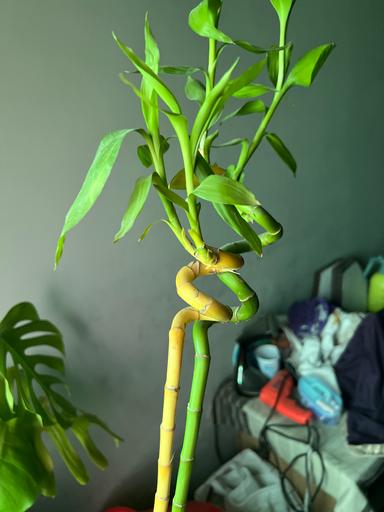 Health checkLucky BambooDracaena sanderianamoderateOften caused by too much direct sun, poor water quality, or overwatering; move it to bright indirect light and use filtered water.
From Gardeno’s plant health checks
Yellow leaves FAQ
Should I cut off yellow leaves?
Yes, once a leaf is mostly yellow. It won’t turn green again, and removing it lets the plant put its energy into healthy growth. Leave leaves that are only slightly yellow until you’ve fixed the cause.
Can yellow leaves turn green again?
Rarely. A leaf that’s pale from hunger may green up a little after feeding, but a fully yellow leaf is gone for good. Watch the new leaves instead.
Is it overwatering or underwatering?
Feel the soil. Yellow leaves in soil that’s still wet point to overwatering; yellow, crispy leaves in dry soil, with a drooping plant, point to thirst.
Why are only the bottom leaves turning yellow?
Plants shed their oldest, lowest leaves first, whether from age, too little light, hunger or a watering problem. One now and then is normal; several at once means something needs changing.
This guide is for general plant care. Per-plant advice is AI-generated from Gardeno scans and may be inaccurate; check with an expert for valuable plants.
