Mealybugs and scale: how to spot them and get rid of them
Mealybugs and scale are slow-moving sap suckers that hide in leaf joints and on stems. They’re stubborn, but persistence beats them.
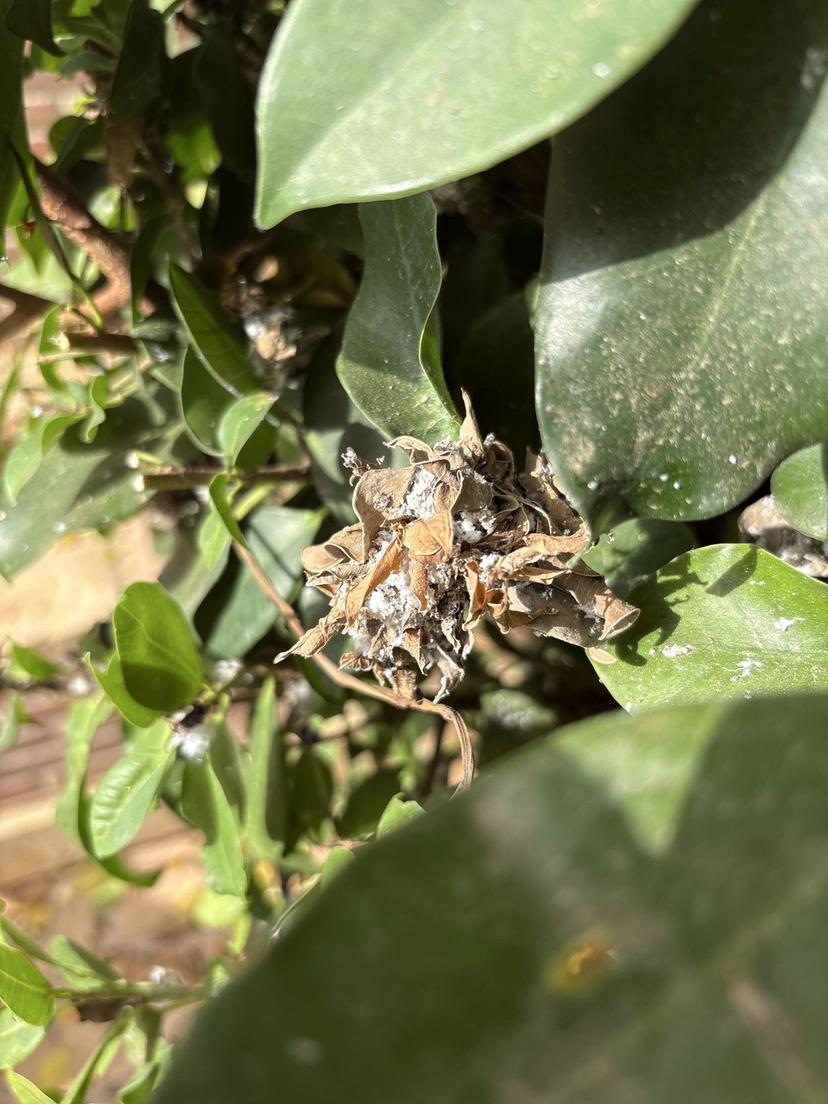 Boxwood · from a Gardeno health check
The short answerMealybugs look like small tufts of white cotton; scale insects look like brown or tan bumps stuck to stems and leaves. Both suck sap and leave sticky honeydew. Isolate the plant, dab each insect with a cotton bud dipped in rubbing alcohol, wipe the leaves, then treat with insecticidal soap or neem oil every 7 days for at least a month, checking leaf joints and stems every time.
Signs of mealybugs and scale
Look closely at leaf joints, along stems and under leaves.
Not sure which one you have?
Where they come from
New plants. Nearly every infestation starts with a plant brought home.
Hidden survivors. Eggs and young insects in leaf joints and soil restart the colony after treatment.
Over-feeding. Soft, nitrogen-rich growth attracts sap suckers.
Crowded plants. Insects crawl from one plant to the next.
How to get rid of mealybugs and scale, step by step
- Isolate the plantKeep it apart until it has been clear for a month.
- Remove what you can seeDab each insect with a cotton bud dipped in rubbing alcohol, or scrape scale off with a fingernail.
- Wipe and rinseWipe leaves and stems with soapy water, then rinse the plant.
- Treat weeklySpray insecticidal soap or neem oil on every surface, especially leaf joints and stems.
- Check the soil and potMealybugs can live on roots and under the rim. Repot into fresh soil if they keep coming back.
- Keep going for a month or moreRepeat until you’ve seen none for several weeks.
For a heavy infestation on a small plant, taking clean cuttings and starting again is sometimes the quickest fix.
How to keep them away
Plants that often get mealybugs or scale
33 plants in our encyclopedia list mealybugs & scale as a common problem. Here they are, with the advice for each; photos marked “Health check” show the problem itself.
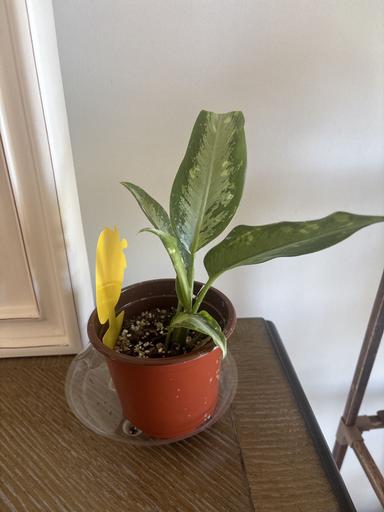 Dumb CaneDieffenbachia seguinemoderateInspect regularly for pests, especially on leaf undersides. Treat infestations with neem oil or insecticidal soap.
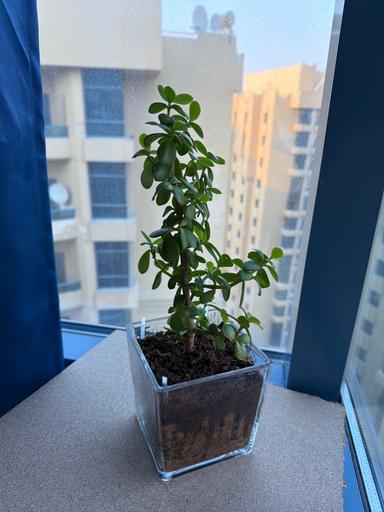 Jade PlantCrassula ovatamildWhite cottony pests can hide in leaf joints; wipe with alcohol and treat with insecticidal soap if needed.
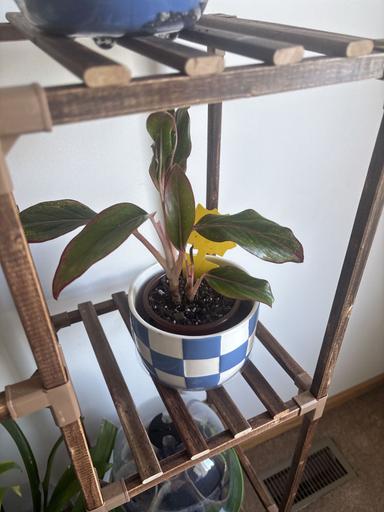 Chinese EvergreenAglaonema commutatummoderateInspect regularly for small insects. Treat with neem oil or insecticidal soap if detected.
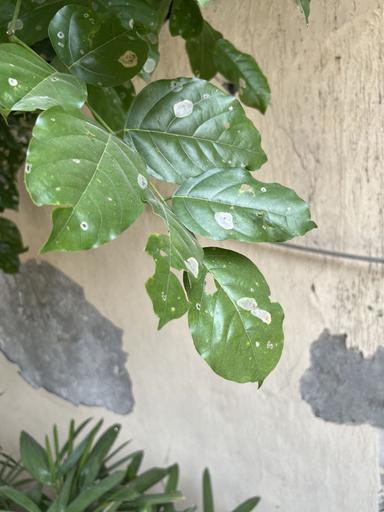 Coffee PlantCoffea arabicamoderateCommon in dry indoor environments. Inspect regularly and treat with insecticidal soap or neem oil if pests are detected.
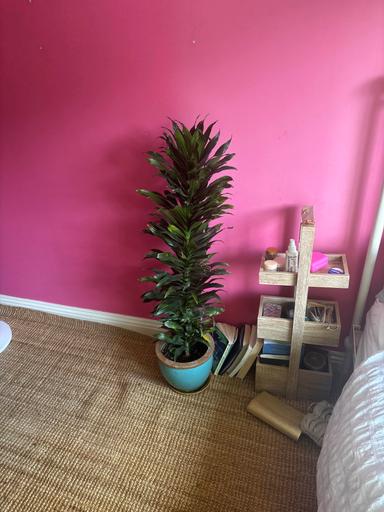 Dracaena 'Compacta'Dracaena fragrans 'Compacta'moderateCan appear in dry conditions. Wipe leaves with neem oil or insecticidal soap.
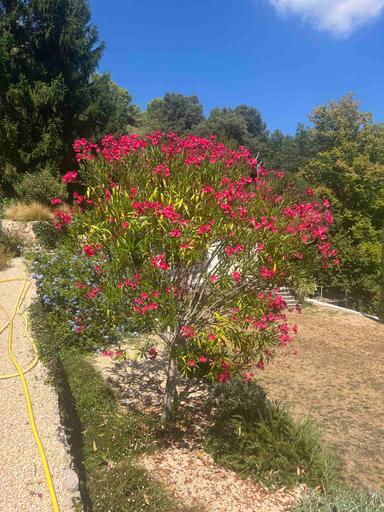 OleanderNerium oleandermoderateSticky leaves or small bumps on stems may indicate scale; prune heavily infested growth and use horticultural oil if needed.
 Olive treeOlea europaeamoderateSmall bumps on stems and sticky residue may indicate scale; treat with horticultural oil or insecticidal soap.
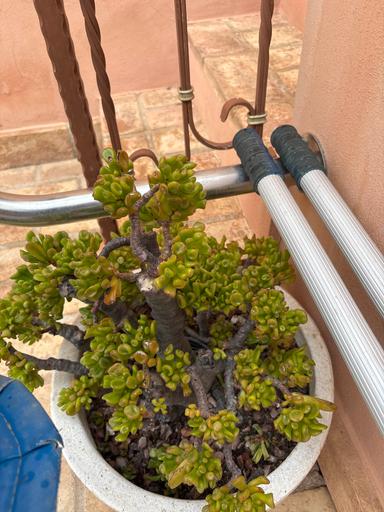 Elephant BushPortulacaria aframoderateWhite cottony pests may hide in leaf joints; wipe with alcohol swabs and treat with insecticidal soap if needed.
From Gardeno’s plant health checks
Mealybugs & scale FAQ
Does rubbing alcohol harm plants?
Dabbed on the insects with a cotton bud, it’s safe for most plants. Test on one leaf first for delicate or hairy-leaved plants, and avoid spraying it all over.
Why do mealybugs keep coming back?
Eggs and young insects hide in leaf joints, under the pot rim and on roots. Treat weekly for at least a month and check the roots if they return.
Is the white fluff mould or mealybugs?
Mealybugs are raised, cottony clumps, mostly in leaf joints, and they have tiny legs. Mould is flat and fuzzy, usually on the soil surface.
Can scale insects move?
Only when they’re very young. Adult scale stay fixed in one place under their shells, which is why they’re easy to miss.
This guide is for general plant care. Per-plant advice is AI-generated from Gardeno scans and may be inaccurate; check with an expert for valuable plants.
