 Easy care
 Shared by a Gardeno user
Okra
Abelmoschus esculentus
Also known as: Lady's Finger, Gumbo
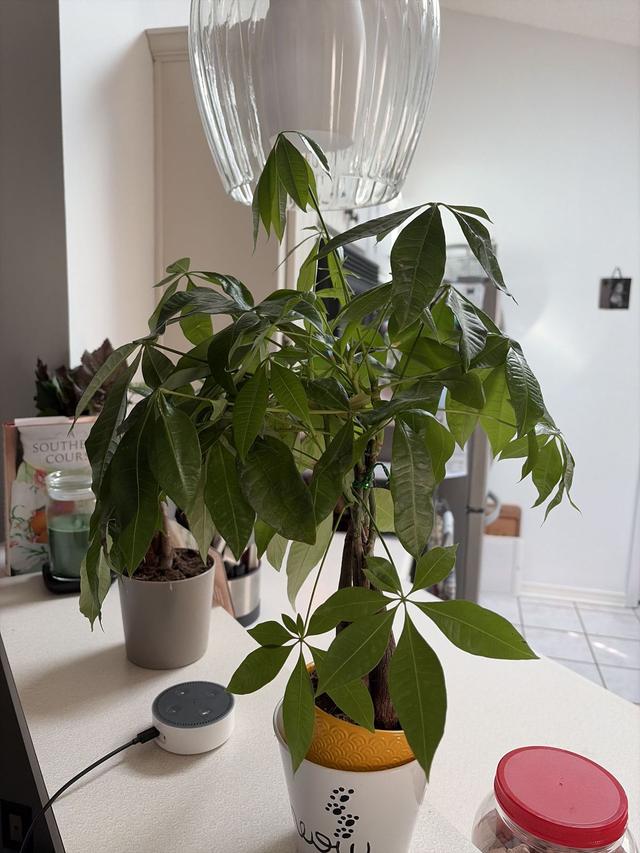
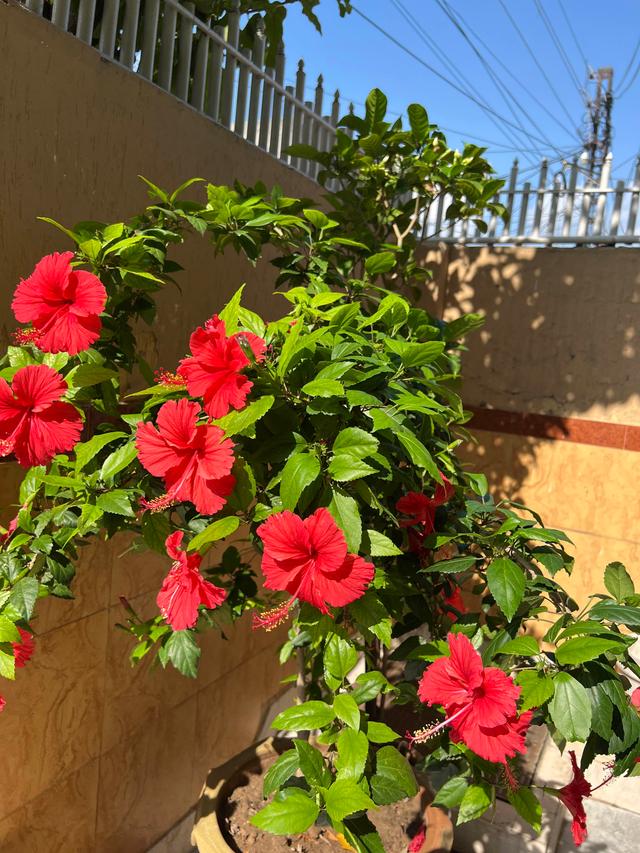
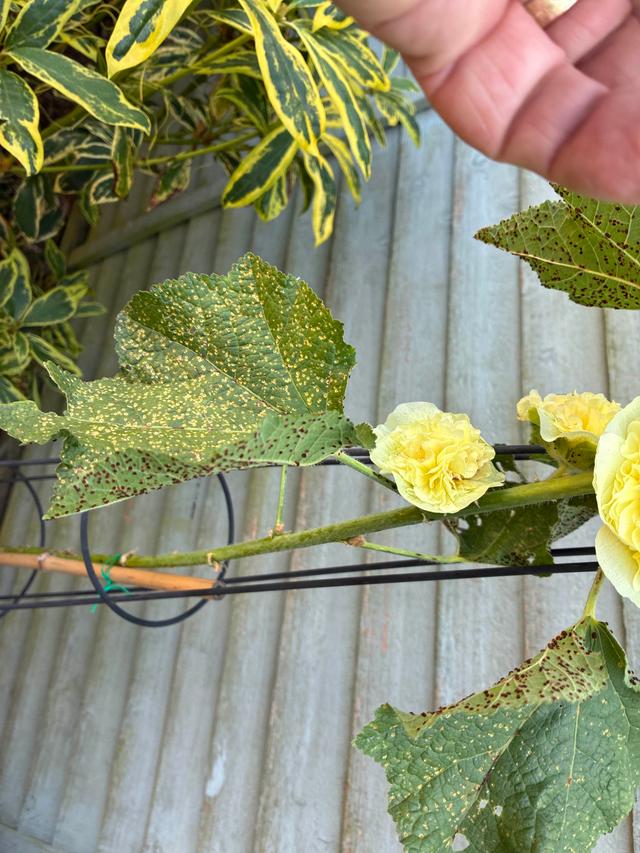
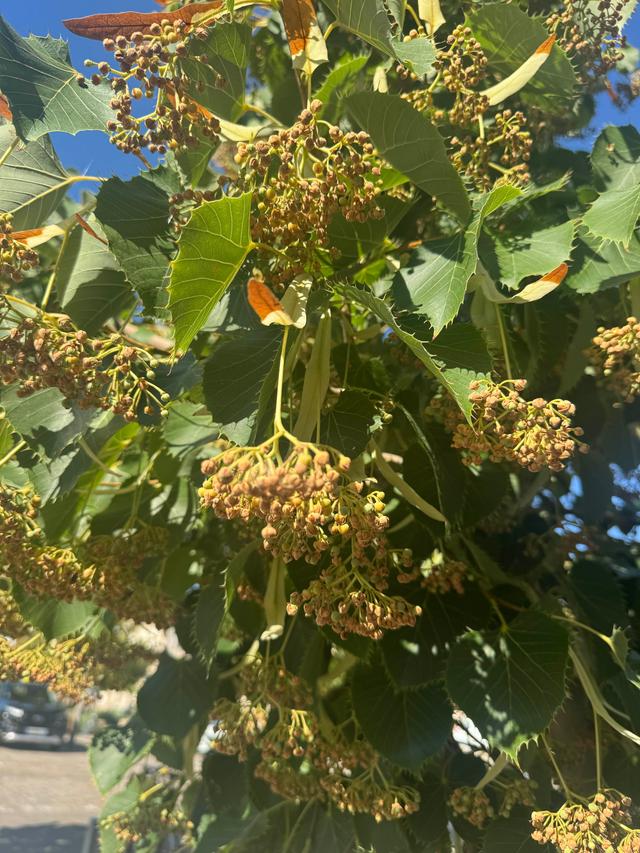
Okra is a warm-season annual vegetable known for its edible green seed pods. It features large, palmate leaves and produces beautiful, hibiscus-like flowers before the pods develop. The pods are a staple in many cuisines, especially in the Southern United States and parts of Africa and Asia.
Safety
Toxicity information is AI-generated and may be inaccurate. Always check with a vet or doctor before relying on it around children or pets.
Perks
Basic info
- Family
- Malvaceae
- Genus
- Abelmoschus
- Plant type
- Annual vegetable
- Native region
- Africa/Asia
- Difficulty
- Easy
Fun fact
Okra is botanically a fruit, specifically a capsule, but is culinarily used as a vegetable.
Care profile
Difficulty
Easy
Toughness
High
Maintenance
Medium
Watering
Regularly, moist
Care tips
- 1
Plant in well-draining soil.
- 2
Harvest pods frequently.
- 3
Provide consistent moisture.
Common problems
Aphids Mild
Small insects that suck sap from leaves, causing distortion. Spray with insecticidal soap or neem oil.
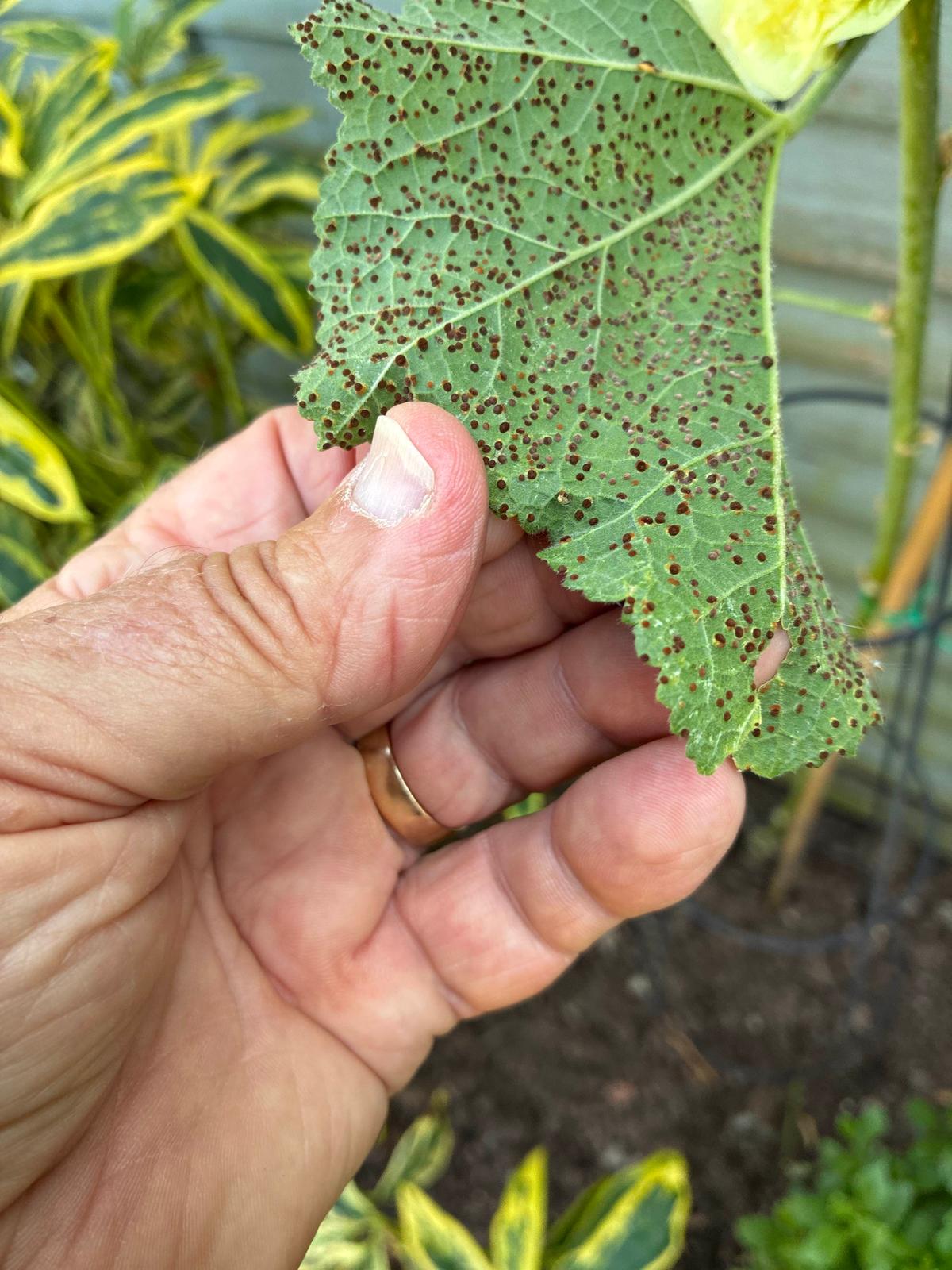
Read our aphids guide →Powdery Mildew Moderate
White, powdery spots on leaves, especially in humid conditions. Improve air circulation and use fungicides.
Read our powdery mildew guide →Stink Bugs Moderate
Pierce pods, causing blemishes and internal damage. Hand-pick or use row covers.
History
Okra's origins are debated, with some sources pointing to Ethiopia and others to South Asia. It was brought to the Americas during the transatlantic slave trade, becoming a significant crop in Southern U.S. cuisine. Its name "okra" likely comes from the Igbo word "okuru."
Popular questions
How often should I water my okra plants for optimal growth and pod production?
Okra plants need consistent moisture, especially during flowering and pod development. Water deeply about 1-2 times per week, or more frequently in hot, dry weather, ensuring the soil remains evenly moist but not waterlogged.
Why are my okra leaves turning yellow and what can I do to fix it?
Yellowing leaves on okra can indicate several issues, including overwatering, nutrient deficiency (especially nitrogen), or pest infestation. Check soil moisture, ensure good drainage, consider a balanced fertilizer, and inspect for pests like aphids.
How can I propagate okra plants?
Okra is primarily propagated from seeds. Sow seeds directly into the garden after the last frost when soil temperatures are consistently above 65°F (18°C). Soaking seeds overnight can improve germination rates.