 Shared by a Gardeno user
Coffee Plant
Coffea arabica
Also known as: Arabica Coffee, Coffee Tree
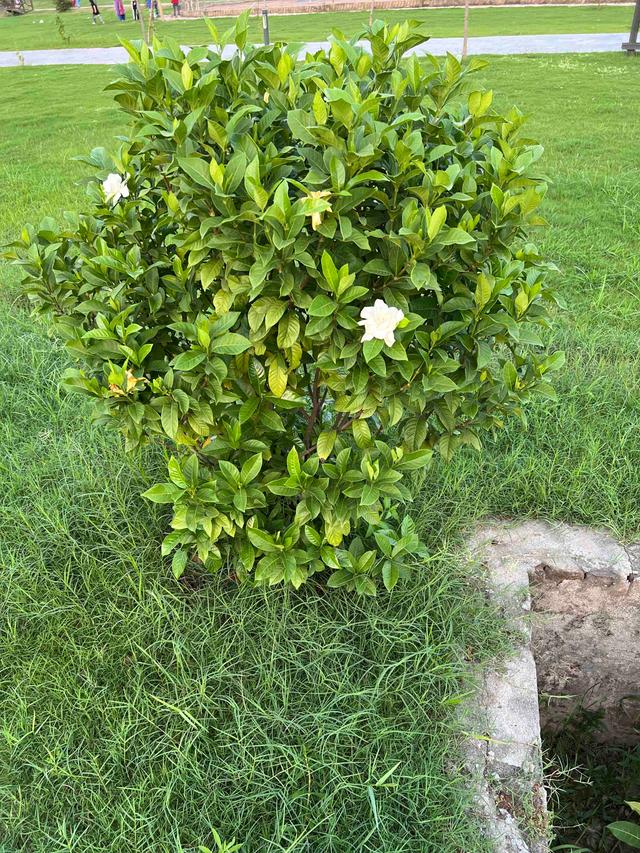
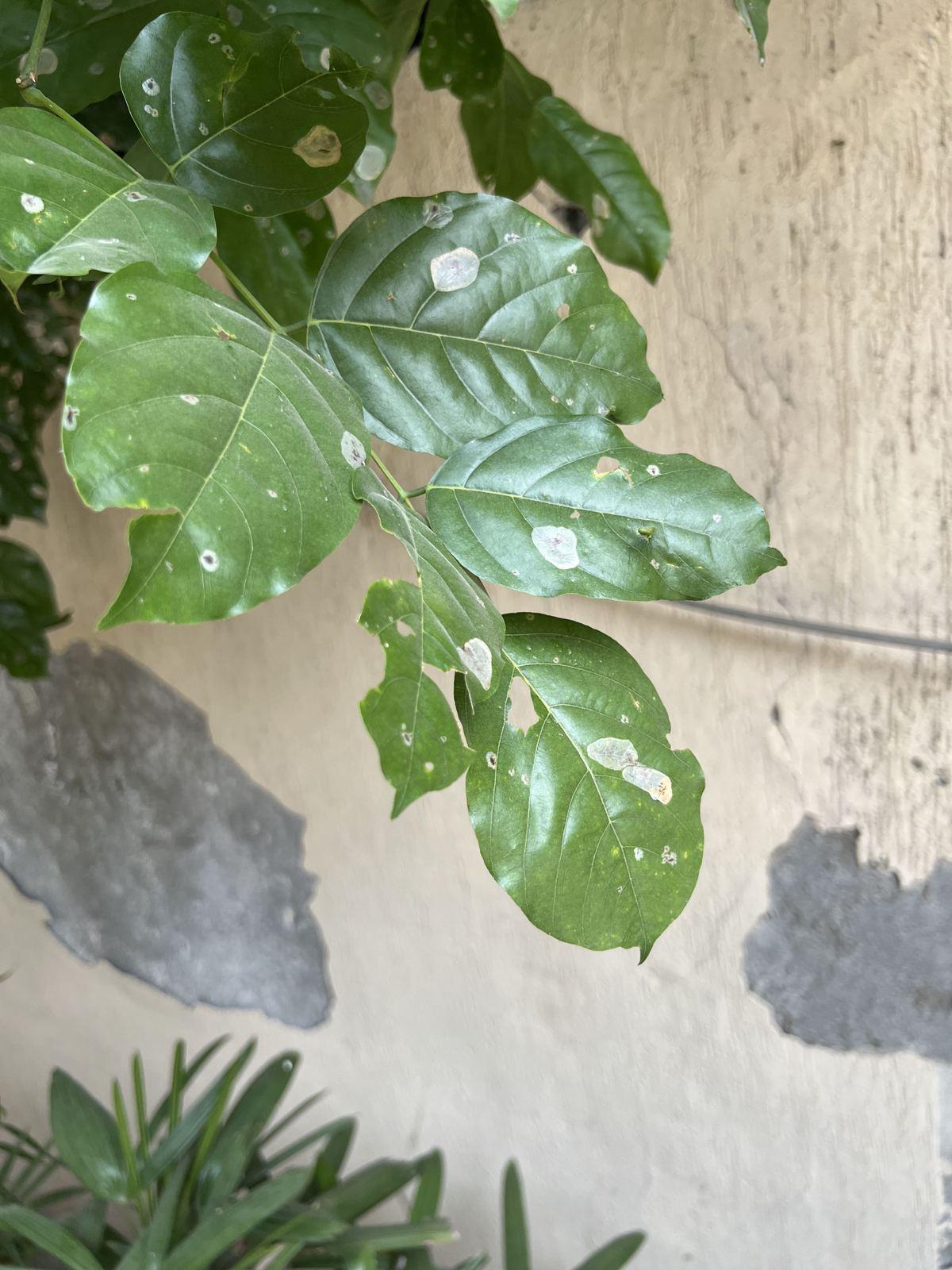
A tropical evergreen shrub known for its glossy, dark green leaves with prominent veins. It can produce fragrant white flowers followed by red coffee cherries, though this is less common indoors. It makes an attractive ornamental houseplant.
Safety
Toxicity information is AI-generated and may be inaccurate. Always check with a vet or doctor before relying on it around children or pets.
Perks
Basic info
- Family
- Rubiaceae
- Genus
- Coffea
- Plant type
- Tropical shrub
- Native region
- Ethiopia
- Difficulty
- Moderate
Fun fact
Coffee is the second most traded commodity in the world, after oil, and its cultivation supports millions of livelihoods globally.
Care profile
Difficulty
Moderate
Toughness
Medium
Maintenance
Medium
Watering
Keep soil moist
Care tips
- 1
Provide bright, indirect light, avoiding direct harsh sun.
- 2
Keep soil consistently moist but ensure good drainage to prevent root rot.
- 3
Maintain high humidity, especially indoors, by misting or using a pebble tray.
Common problems
Yellowing Leaves Mild
Often a sign of overwatering or nutrient deficiency. Ensure proper drainage and consider a balanced liquid fertilizer during the growing season.
Read our yellow leaves guide →Brown Leaf Tips Mild
Typically caused by low humidity or inconsistent watering. Increase humidity around the plant and ensure the soil doesn't dry out completely between waterings.
Read our brown leaf tips guide →Pests (Spider Mites, Mealybugs) Moderate
Common in dry indoor environments. Inspect regularly and treat with insecticidal soap or neem oil if pests are detected.
Read our spider mites guide →History
Originating in the highlands of Ethiopia, coffee was first discovered by a goat herder named Kaldi in the 9th century. It quickly spread through the Arabian Peninsula and then to Europe, becoming a globally beloved beverage. The plant has a rich cultural history tied to social gatherings and intellectual pursuits.
Popular questions
How often should I water my coffee plant?
Water your coffee plant when the top inch of soil feels dry to the touch. It prefers consistently moist soil but never waterlogged. Ensure the pot has drainage holes to prevent root rot, and reduce watering slightly in winter.
Why are my coffee plant's leaves turning brown?
Brown leaf tips or edges on a coffee plant usually indicate low humidity or underwatering. Try increasing humidity by misting regularly or placing the pot on a pebble tray. Also, ensure you are watering thoroughly when the topsoil dries out.
How can I propagate my coffee plant?
Coffee plants can be propagated from stem cuttings or seeds. For cuttings, take a 4-6 inch stem cutting with at least two sets of leaves, dip the cut end in rooting hormone, and plant it in moist potting mix. Keep it warm and humid until roots develop.