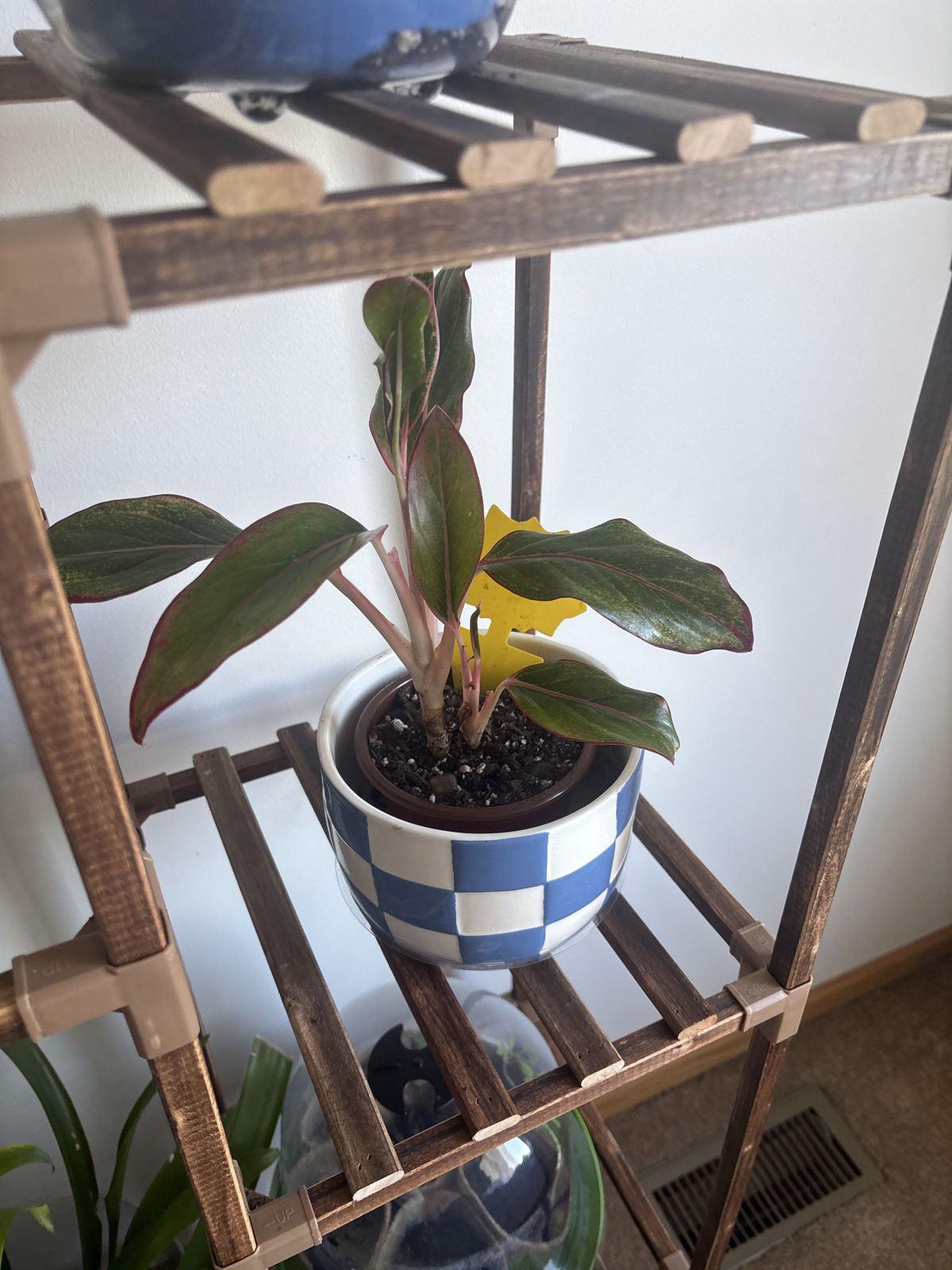
 Easy care
 Shared by a Gardeno user
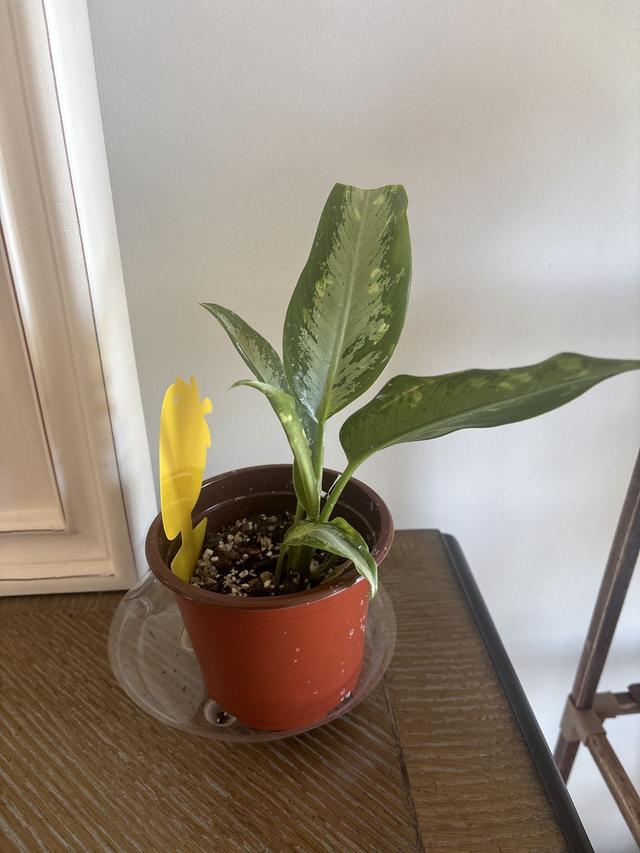
Chinese Evergreen
Aglaonema commutatum
Also known as: Aglaonema, Philippine Evergreen
Chinese Evergreens are popular houseplants known for their attractive, variegated foliage. They are relatively low-maintenance and can tolerate a range of indoor conditions, making them suitable for beginners. Their leaves often feature intricate patterns of green, silver, red, or pink.
Safety
Toxicity information is AI-generated and may be inaccurate. Always check with a vet or doctor before relying on it around children or pets.
Perks
Basic info
- Family
- Araceae
- Genus
- Aglaonema
- Plant type
- Perennial
- Native region
- Tropical Asia
- Difficulty
- Easy
Fun fact
Aglaonemas are considered good luck plants in some Asian cultures, believed to bring prosperity to the owner.
Care profile
Difficulty
Easy
Toughness
High
Maintenance
Low
Watering
Every 1-2 weeks
Care tips
- 1
Water when top inch of soil is dry.
- 2
Provide high humidity, especially in dry climates.
- 3
Wipe leaves occasionally to remove dust.
Common problems
Yellowing Leaves Moderate
Often caused by overwatering or underwatering. Check soil moisture and adjust watering schedule. Can also be a sign of nutrient deficiency or old age.
Read our yellow leaves guide →Brown Leaf Tips Mild
Usually due to low humidity or fluoride in tap water. Increase humidity with a humidifier or pebble tray, and consider using filtered water.
Read our brown leaf tips guide →Pests (Spider Mites, Mealybugs) Moderate
Inspect regularly for small insects. Treat with neem oil or insecticidal soap if detected.
Read our spider mites guide →History
Native to the tropical and subtropical regions of Asia, Aglaonemas have been cultivated for centuries. They gained significant popularity as houseplants in the Western world during the 20th century due to their adaptability and striking ornamental leaves. Various cultivars have been developed, offering a wide array of colors and patterns.
Popular questions
How often should I water my Chinese Evergreen?
Water your Chinese Evergreen when the top 1-2 inches of soil feel dry to the touch. It's better to slightly underwater than overwater, as they are susceptible to root rot. Reduce watering in winter.
Why are my Chinese Evergreen leaves turning yellow?
Yellowing leaves are often a sign of overwatering, which can lead to root rot. Ensure the pot has good drainage and allow the soil to dry out between waterings. It can also be caused by underwatering, nutrient deficiencies, or natural aging of older leaves.
How can I propagate my Chinese Evergreen?
Chinese Evergreens can be propagated through stem cuttings. Take a cutting with a few leaves and a node, and place it in water or moist potting mix. Roots typically form within a few weeks, after which you can plant it in soil.