Aphids: how to identify them and get rid of them
Aphids multiply fast, but they’re also among the easiest pests to get rid of. Catch them early and a few rinses usually does it.
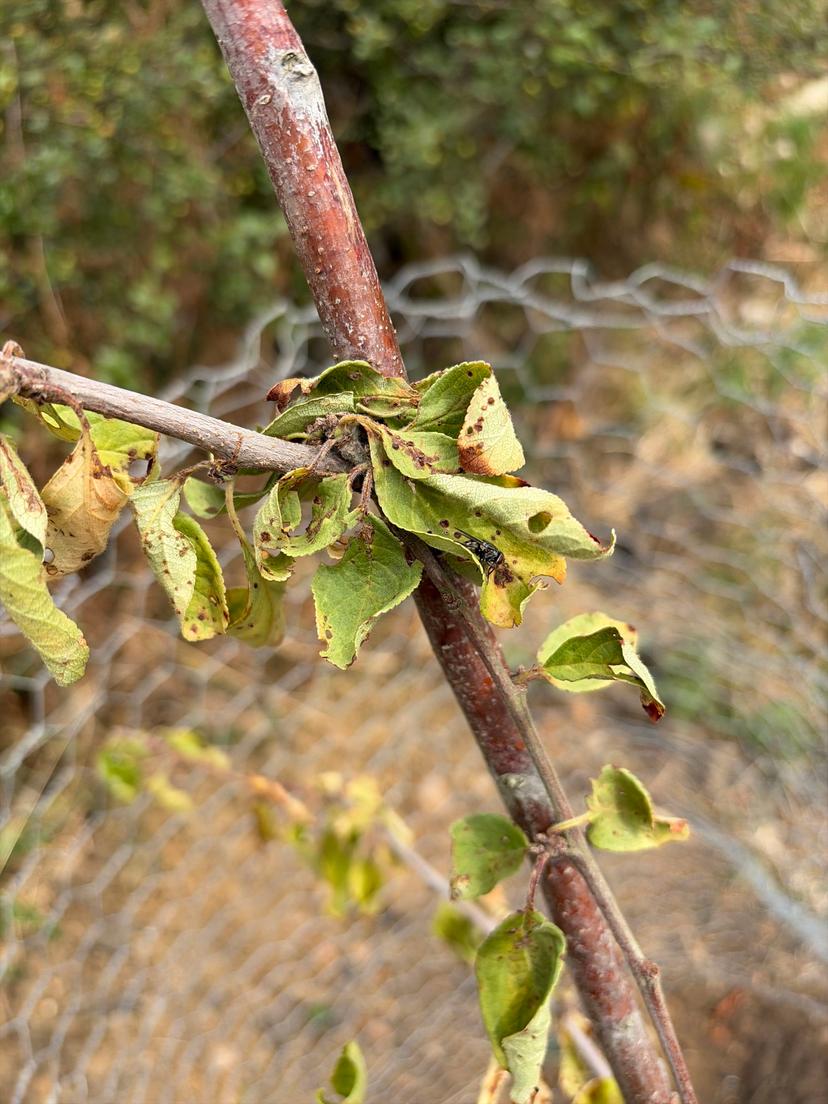 Apple Tree · from a Gardeno health check
The short answerAphids are small, soft-bodied insects, usually green, black or white, that cluster on new shoots, buds and the undersides of leaves to suck sap. Rinse them off with a strong spray of water, then treat the plant with insecticidal soap or neem oil every 5–7 days until no more appear. Isolate the plant and check the plants around it.
Signs of aphids
Check new growth and the undersides of leaves. Aphids are easy to see once you look.
Where aphids come from
New plants. The most common way they arrive indoors.
Outdoors and open windows. Winged aphids fly in, especially in spring and summer.
Soft, fast new growth. Heavy feeding produces tender shoots aphids love.
Ants. Ants farm aphids for their honeydew and protect them from predators.
How to get rid of aphids, step by step
- Isolate the plantKeep it away from other plants until it’s clear.
- Rinse them offSpray the plant with lukewarm water in the shower or sink, especially new growth and the undersides of leaves.
- Wipe or pinch off clustersUse a damp cloth or your fingers; badly infested tips can be cut off.
- Treat with insecticidal soap or neem oilCover every surface, including under the leaves. Repeat every 5–7 days for at least three weeks.
- Check neighbouring plantsAphids spread quickly; treat any others you find.
Aphid eggs hatch after you treat, so keep going for a few weeks even if the plant looks clear.
How to keep aphids away
Plants that often get aphids
35 plants in our encyclopedia list aphids as a common problem. Here they are, with the advice for each; photos marked “Health check” show the problem itself.
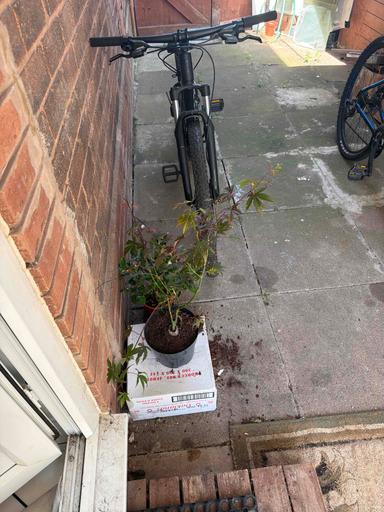 Japanese MapleAcer palmatummildSmall insects that feed on sap, causing distorted leaves and sticky residue. Treat with insecticidal soap or a strong spray of water.
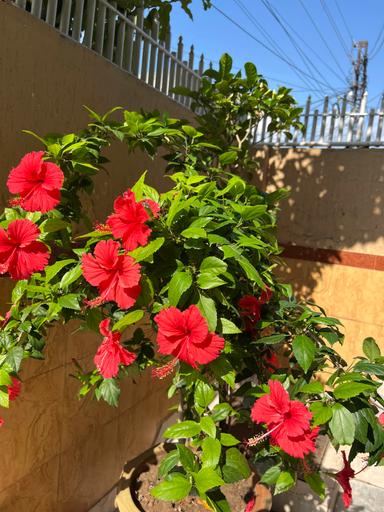 Tropical HibiscusHibiscus rosa-sinensismildThese pests suck sap from tender growth and can weaken flowering. Rinse the plant and treat with insecticidal soap if needed.
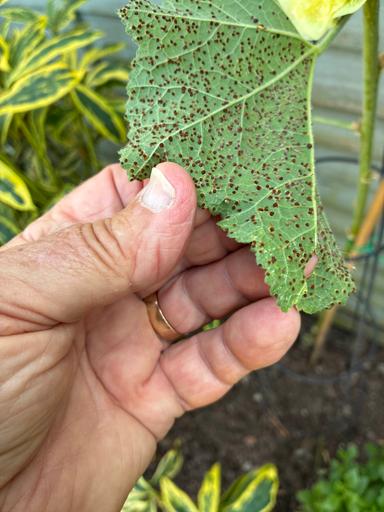 OkraAbelmoschus esculentusmildSmall insects that suck sap from leaves, causing distortion. Spray with insecticidal soap or neem oil.
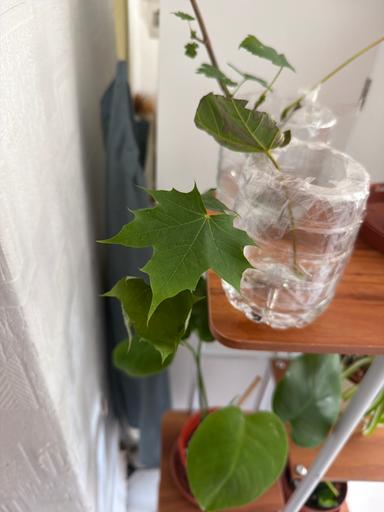 Red MapleAcer rubrummildAphids can infest young leaves. Treat with insecticidal soap or neem oil.
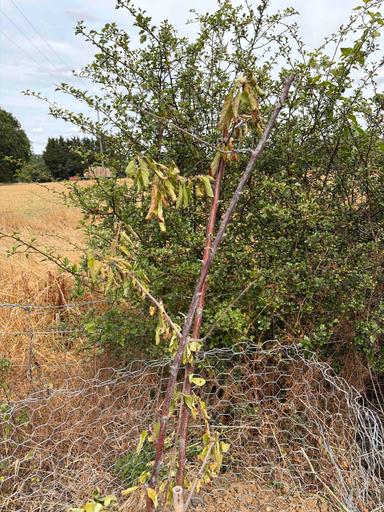 HawthornCrataegus monogynamildSmall insects feeding on new growth. Spray with insecticidal soap or strong water stream.
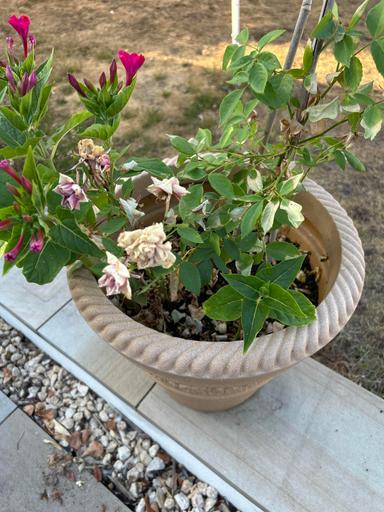 Four O'Clock FlowerMirabilis jalapamildSmall insects clustering on new growth. Spray with insecticidal soap or strong water stream.
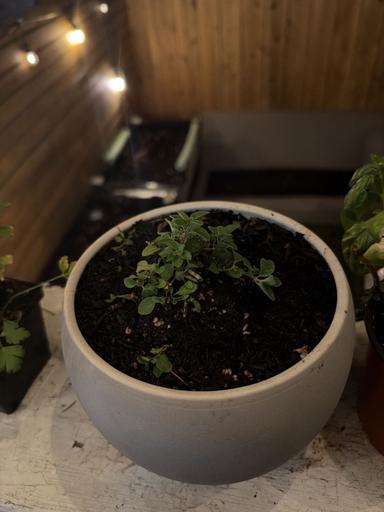 OreganoOriganum vulgaremildSoft-bodied insects may cluster on tender growth; rinse off with water or use insecticidal soap.
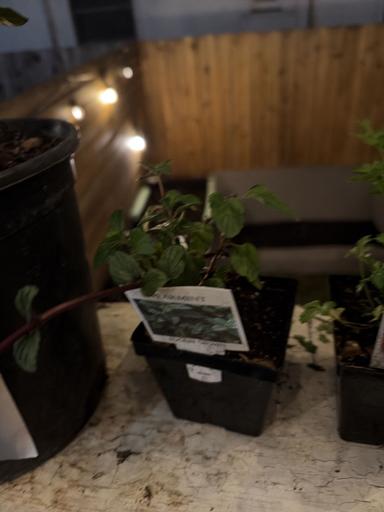 Swedish IvyPlectranthus verticillatusmoderateThese pests can infest the plant. Treat with insecticidal soap or neem oil, ensuring to cover all leaf surfaces.
From Gardeno’s plant health checks
Aphids FAQ
Are aphids harmful to my plant?
A few aren’t, but large colonies weaken plants, distort new growth and can spread plant viruses. Treat them early.
Does dish soap kill aphids?
Insecticidal soap is made for this and is gentler on plants. If you use a homemade mix, keep it very weak, test on one leaf, and rinse after a few hours.
Why do my aphids keep coming back?
Eggs and a few survivors restart the colony. Treat every 5–7 days for at least three weeks, and check for ants, which protect aphids.
Can aphids live in the soil?
Root aphids can, but most aphids live on stems and leaves. If you see insects in the soil, they’re more likely fungus gnats.
This guide is for general plant care. Per-plant advice is AI-generated from Gardeno scans and may be inaccurate; check with an expert for valuable plants.
