 Shared by a Gardeno user
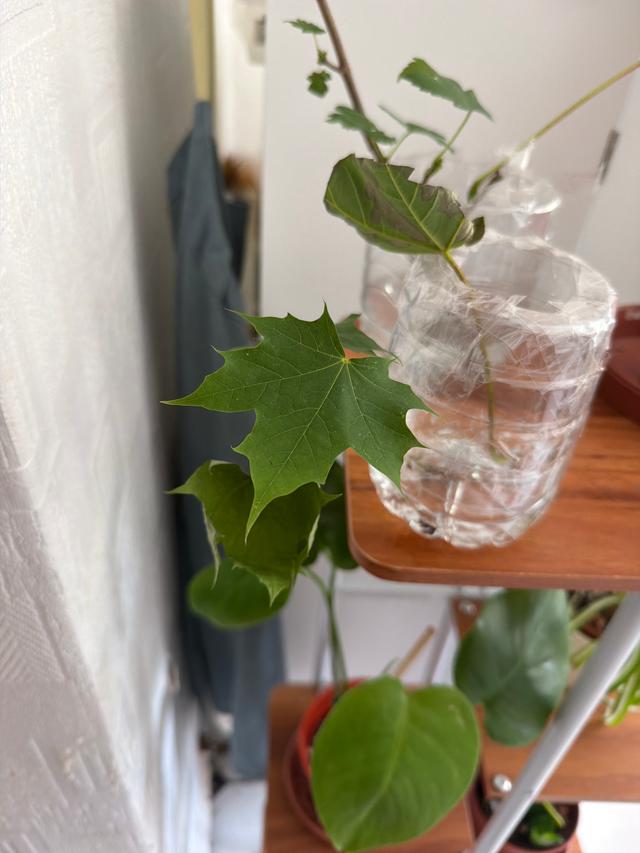
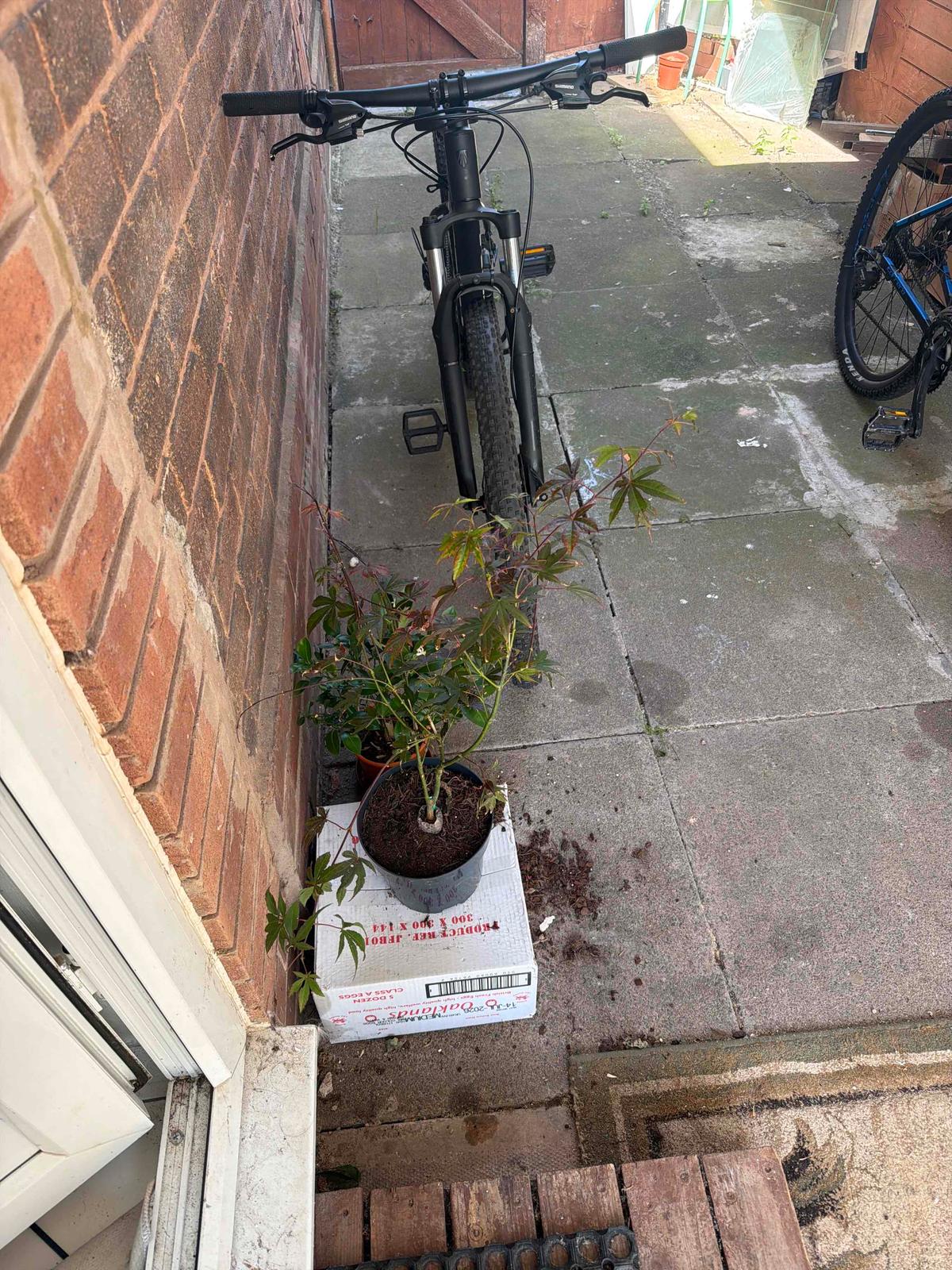
Japanese Maple
Acer palmatum
Also known as: Smooth Japanese Maple, Palmate Maple
Japanese Maples are elegant deciduous trees known for their delicate, deeply lobed leaves and graceful branching structure. Many cultivars display vibrant red, orange, or purple foliage, especially in spring and autumn, adding dramatic color to landscapes. They are popular ornamental trees, often grown for their aesthetic appeal and relatively compact size.
Safety
Toxicity information is AI-generated and may be inaccurate. Always check with a vet or doctor before relying on it around children or pets.
Perks
Basic info
- Family
- Sapindaceae
- Genus
- Acer
- Plant type
- Deciduous Tree
- Native region
- Japan, Korea, China
- Difficulty
- Moderate
Fun fact
There are over 1,000 named cultivars of Japanese Maples, showcasing an incredible diversity in leaf shape, color, and growth habit.
Care profile
Difficulty
Moderate
Toughness
Medium
Maintenance
Medium
Watering
Weekly, when dry
Care tips
- 1
Plant in well-draining, slightly acidic soil.
- 2
Protect from strong winds and intense afternoon sun.
- 3
Prune lightly in late winter or early spring to shape and remove dead branches.
Common problems
Leaf Scorch Moderate
Edges of leaves turn brown and crispy, often due to excessive sun, wind, or insufficient water. Ensure adequate watering and consider moving to a more sheltered spot or providing afternoon shade.
Read our leaf scorch guide →Verticillium Wilt Severe
A fungal disease causing wilting, yellowing, and eventual death of branches. There is no cure; remove affected branches and improve soil drainage.
Aphids Mild
Small insects that feed on sap, causing distorted leaves and sticky residue. Treat with insecticidal soap or a strong spray of water.
Read our aphids guide →History
Japanese Maples have been cultivated in Japan for centuries, with their beauty deeply integrated into Japanese garden design and culture. They were introduced to the Western world in the 19th century and quickly gained popularity for their ornamental value, leading to extensive hybridization and the development of numerous cultivars.
Popular questions
How often should I water my Japanese Maple?
Young Japanese Maples need consistent moisture, especially during dry periods. Water deeply once or twice a week, allowing the top inch or two of soil to dry out slightly between waterings. Established trees are more drought-tolerant but still benefit from supplemental watering during prolonged dry spells.
Why are the leaves on my Japanese Maple turning brown and crispy?
This is often a sign of leaf scorch, caused by too much direct sun, strong winds, or insufficient water. Ensure the tree is adequately watered, especially during hot, dry weather, and consider providing some afternoon shade or a more sheltered location.
Can I propagate a Japanese Maple from cuttings?
Yes, Japanese Maples can be propagated from semi-hardwood cuttings taken in late spring or early summer. Dip the cut end in rooting hormone and plant in a well-draining potting mix. Keep the cuttings moist and in a humid environment until roots develop.