 Easy care
 Shared by a Gardeno user
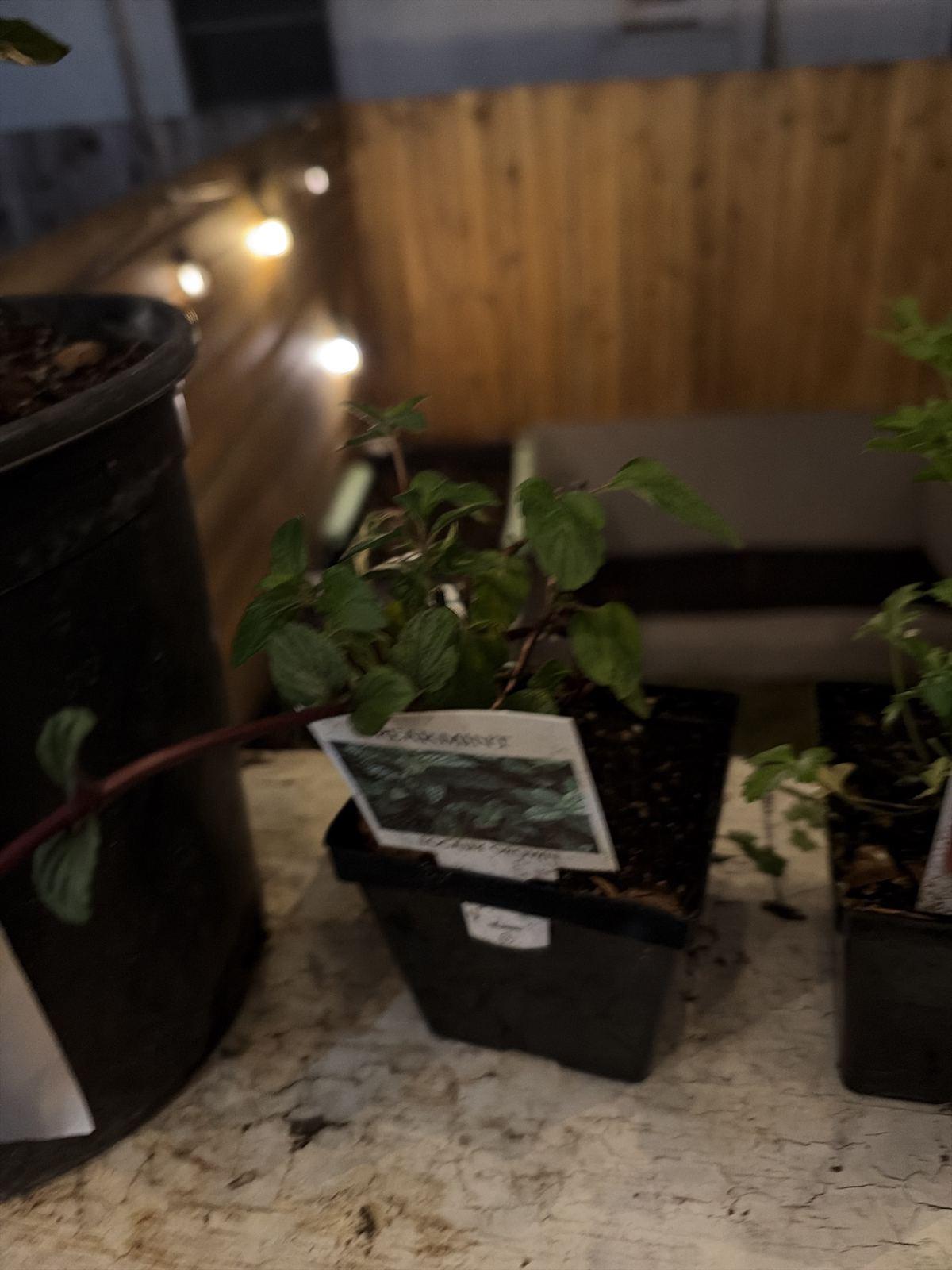
Swedish Ivy
Plectranthus verticillatus
Also known as: Creeping Charlie, Whorled Plectranthus
Swedish Ivy is a fast-growing, trailing perennial known for its attractive, scalloped green leaves. It's a popular houseplant due to its ease of care and ability to thrive in various indoor conditions. Its stems can cascade beautifully from hanging baskets or spill over the edges of pots.
Safety
Toxicity information is AI-generated and may be inaccurate. Always check with a vet or doctor before relying on it around children or pets.
Perks
Basic info
- Family
- Lamiaceae
- Genus
- Plectranthus
- Plant type
- Perennial
- Native region
- Southern Africa
- Difficulty
- Easy
Fun fact
Despite its common name, Swedish Ivy is not a true ivy and is not native to Sweden. It was popularized as a houseplant in Sweden, hence the name.
Care profile
Difficulty
Easy
Toughness
High
Maintenance
Low
Watering
Every 1-2 wks
Care tips
- 1
Provide bright, indirect light to encourage lush growth.
- 2
Water when the top inch of soil feels dry, avoiding overwatering.
- 3
Pinch back stems regularly to promote bushier growth and prevent legginess.
Common problems
Leggy Growth Mild
If stems become long and sparse, it's often due to insufficient light or lack of pruning. Move to a brighter spot and pinch back stems to encourage bushiness.
Read our leggy growth guide →Yellow Leaves Moderate
Yellowing leaves can indicate overwatering or underwatering. Check soil moisture; if soggy, reduce watering; if dry, water thoroughly. Ensure good drainage.
Read our yellow leaves guide →Pests (Aphids, Mealybugs) Moderate
These pests can infest the plant. Treat with insecticidal soap or neem oil, ensuring to cover all leaf surfaces.
Read our aphids guide →History
Plectranthus verticillatus originates from Southern Africa, where it grows as a groundcover. It gained popularity as an indoor plant in Europe, particularly in Sweden, during the mid-20th century, leading to its common name "Swedish Ivy." It's valued for its vigorous growth and attractive foliage.
Popular questions
How often should I water my Swedish Ivy?
Water your Swedish Ivy when the top inch of soil feels dry to the touch. It prefers consistently moist soil but dislikes being waterlogged, so ensure good drainage. Reduce watering slightly in winter.
Why are my Swedish Ivy leaves turning yellow and dropping?
Yellowing and dropping leaves often indicate either overwatering or underwatering. Check the soil moisture; if it's soggy, you're likely overwatering. If it's bone dry, you're underwatering. Adjust your watering schedule accordingly and ensure the pot has drainage holes.
Can I propagate Swedish Ivy?
Yes, Swedish Ivy is very easy to propagate from stem cuttings. Simply snip a 4-6 inch piece of stem, remove the lower leaves, and place it in water or moist potting mix. Roots typically form within a few weeks.