 Shared by a Gardeno user
Tropical Hibiscus
Hibiscus rosa-sinensis
Also known as: Chinese hibiscus, Hawaiian hibiscus, Shoeblackplant
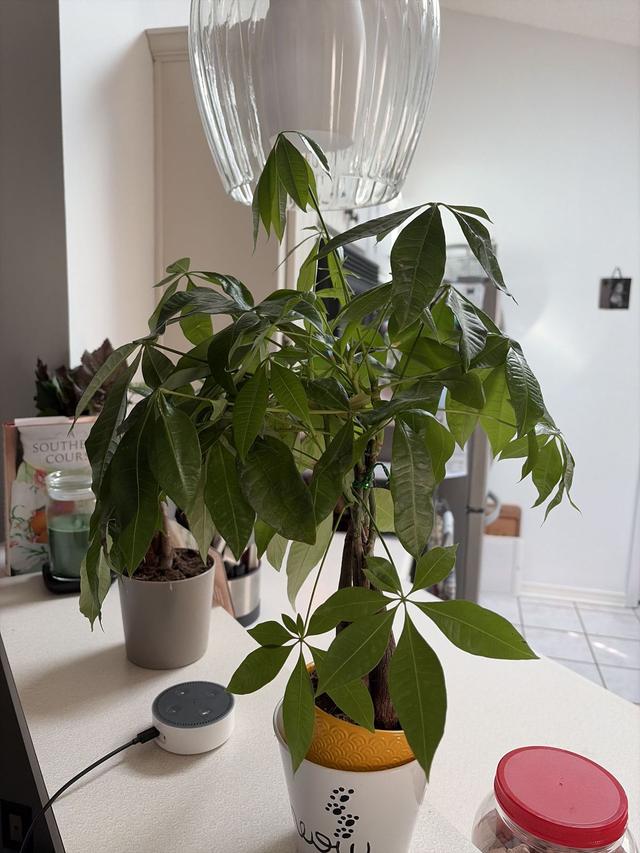
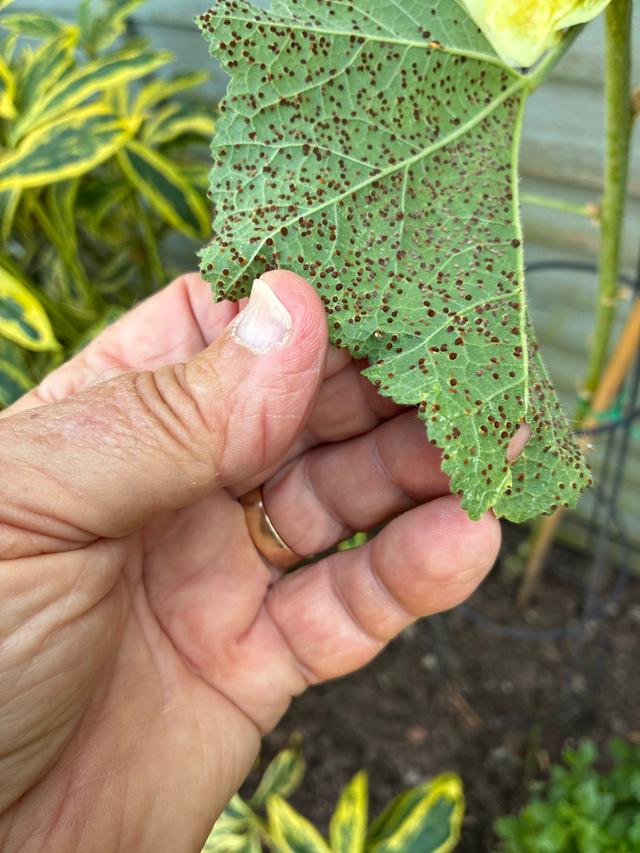
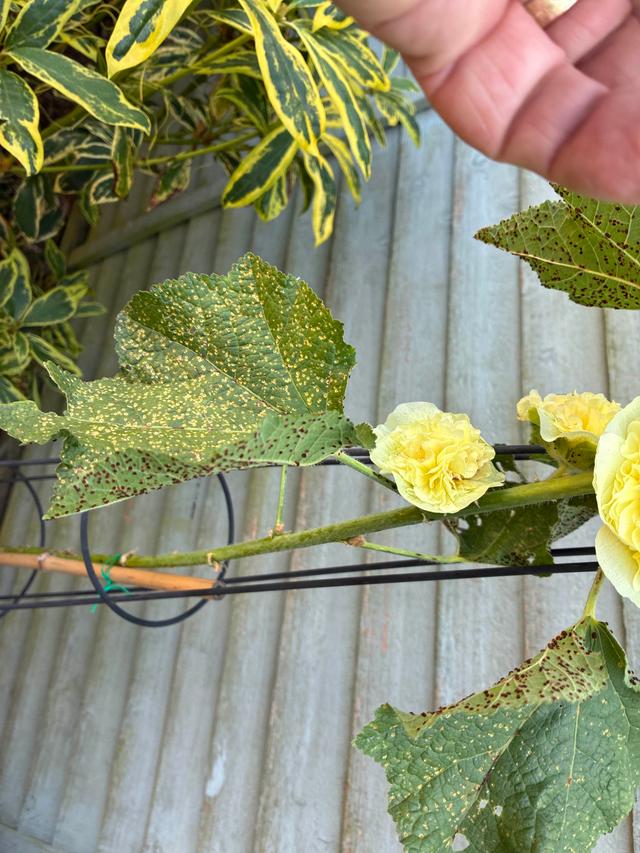
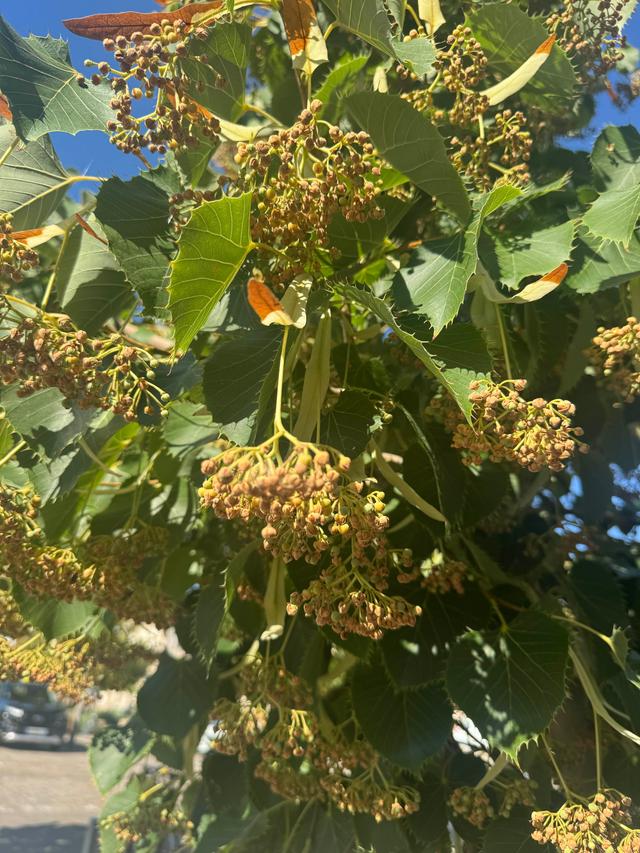
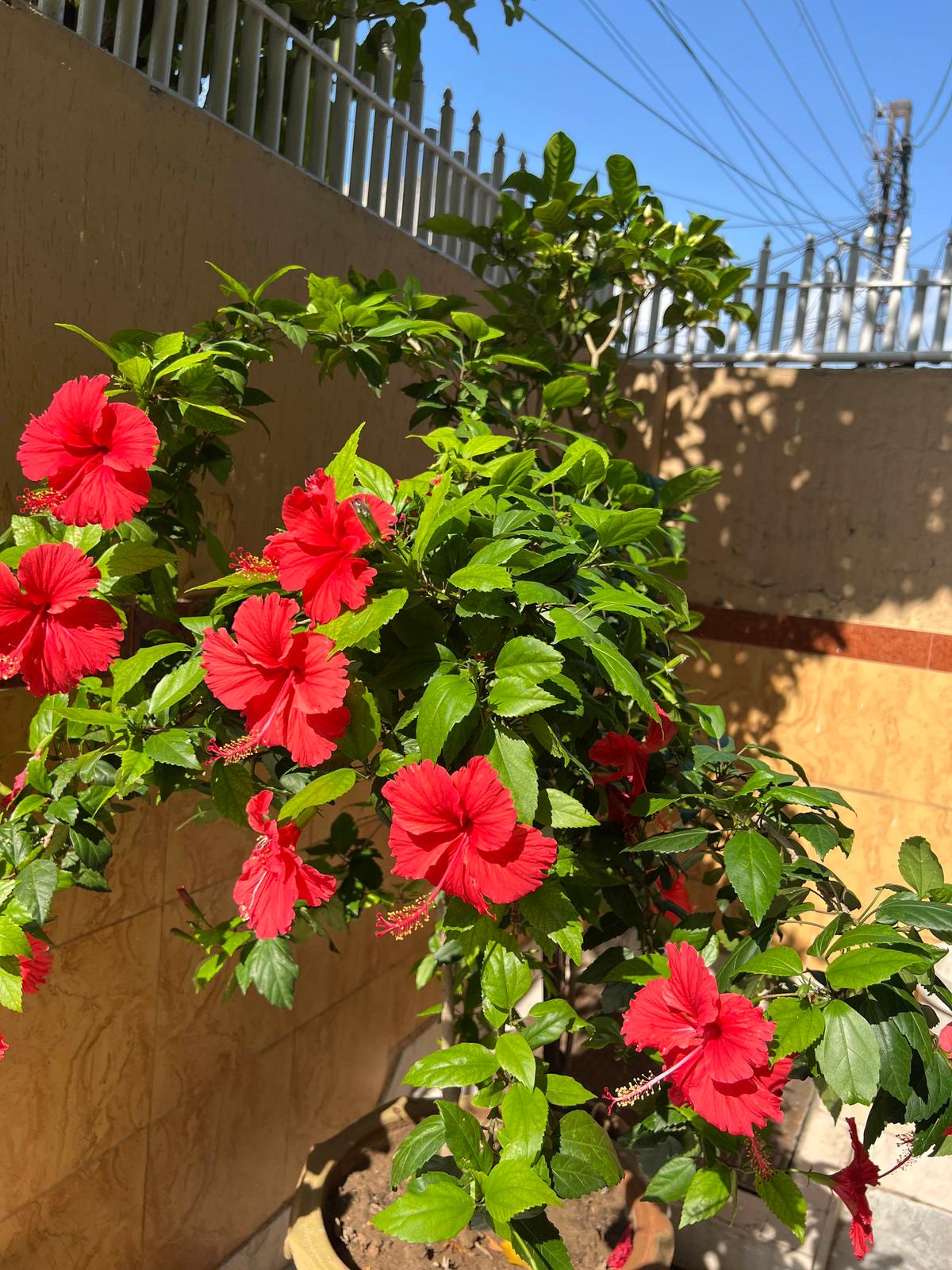
Tropical hibiscus is a lush, flowering shrub known for its large, showy blooms and glossy green leaves. It can be grown in pots indoors with very bright light, but it flowers best when given strong sun and warm conditions. The plant in the photo shows classic hibiscus-shaped red blooms and pointed buds.
Safety
Toxicity information is AI-generated and may be inaccurate. Always check with a vet or doctor before relying on it around children or pets.
Perks
Basic info
- Family
- Malvaceae
- Genus
- Hibiscus
- Plant type
- Flowering shrub
- Native region
- Asia
- Difficulty
- Moderate
Fun fact
Each hibiscus flower may last only a day, but the plant can keep producing new blooms for a long flowering season.
Care profile
Difficulty
Moderate
Toughness
Medium
Maintenance
Medium
Watering
2-3x weekly
Care tips
- 1
Provide several hours of direct sun
- 2
Keep soil evenly moist but not soggy
- 3
Feed regularly during active growth
Common problems
Bud drop Moderate
Buds may fall off from low light, sudden temperature changes, or inconsistent watering. Keep conditions steady and give brighter light.
Aphids and whiteflies Mild
These pests suck sap from tender growth and can weaken flowering. Rinse the plant and treat with insecticidal soap if needed.
Read our aphids guide →Yellow leaves Moderate
Yellowing can come from overwatering, poor drainage, or nutrient deficiency. Check the roots, improve drainage, and use a balanced fertilizer.
Read our yellow leaves guide →History
Hibiscus rosa-sinensis has been cultivated for centuries across tropical Asia and later spread throughout the Pacific, Africa, and the Americas. It became especially popular as an ornamental and ceremonial flower in tropical cultures, where it is often associated with beauty, hospitality, and celebration.
Popular questions
How often should I water tropical hibiscus?
Water when the top inch of soil starts to dry, especially during warm, bright weather. In active growth, that often means a few times per week, but containers may need more frequent watering than in-ground plants. Avoid letting the pot sit in water.
Why are my hibiscus leaves turning yellow or buds dropping?
Yellow leaves and bud drop are usually caused by inconsistent watering, not enough light, or temperature stress. Make sure the plant gets strong light, stable warmth, and evenly moist soil with good drainage. Check for pests as well, since aphids and whiteflies can worsen the problem.
How do I propagate hibiscus?
Hibiscus is commonly propagated from stem cuttings taken from healthy, non-flowering growth. Root the cutting in a moist, well-draining mix with warmth and bright indirect light until new growth appears. A rooting hormone can improve success.