 Easy care
 Shared by a Gardeno user
Hawthorn
Crataegus monogyna
Also known as: May-tree, Quickthorn, Whitethorn
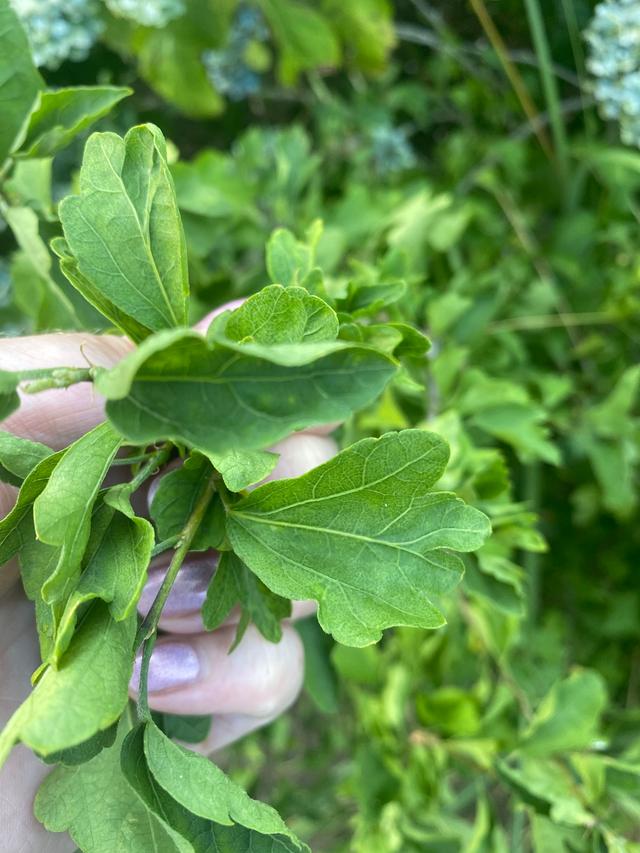
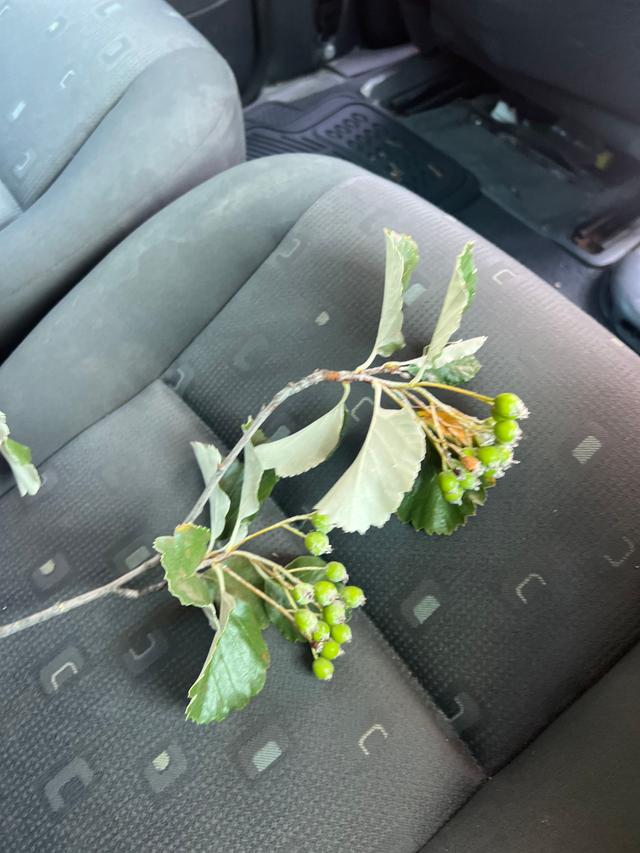
Hawthorn is a thorny deciduous shrub or small tree, known for its dense growth, lobed leaves, white flowers in spring, and small red berries (haws) in autumn. It is a common hedgerow plant, providing excellent wildlife habitat and food.
Safety
Toxicity information is AI-generated and may be inaccurate. Always check with a vet or doctor before relying on it around children or pets.
Perks
Basic info
- Family
- Rosaceae
- Genus
- Crataegus
- Plant type
- Tree/Shrub
- Native region
- Europe, North Africa, Western Asia
- Difficulty
- Easy
Fun fact
Hawthorn berries (haws) are a traditional food source and are used to make jellies, wines, and herbal remedies for heart conditions.
Care profile
Difficulty
Easy
Toughness
High
Maintenance
Low
Watering
Moderate, Drought tolerant
Care tips
- 1
Plant in well-drained soil
- 2
Prune in winter for shape
- 3
Water regularly when young
Common problems
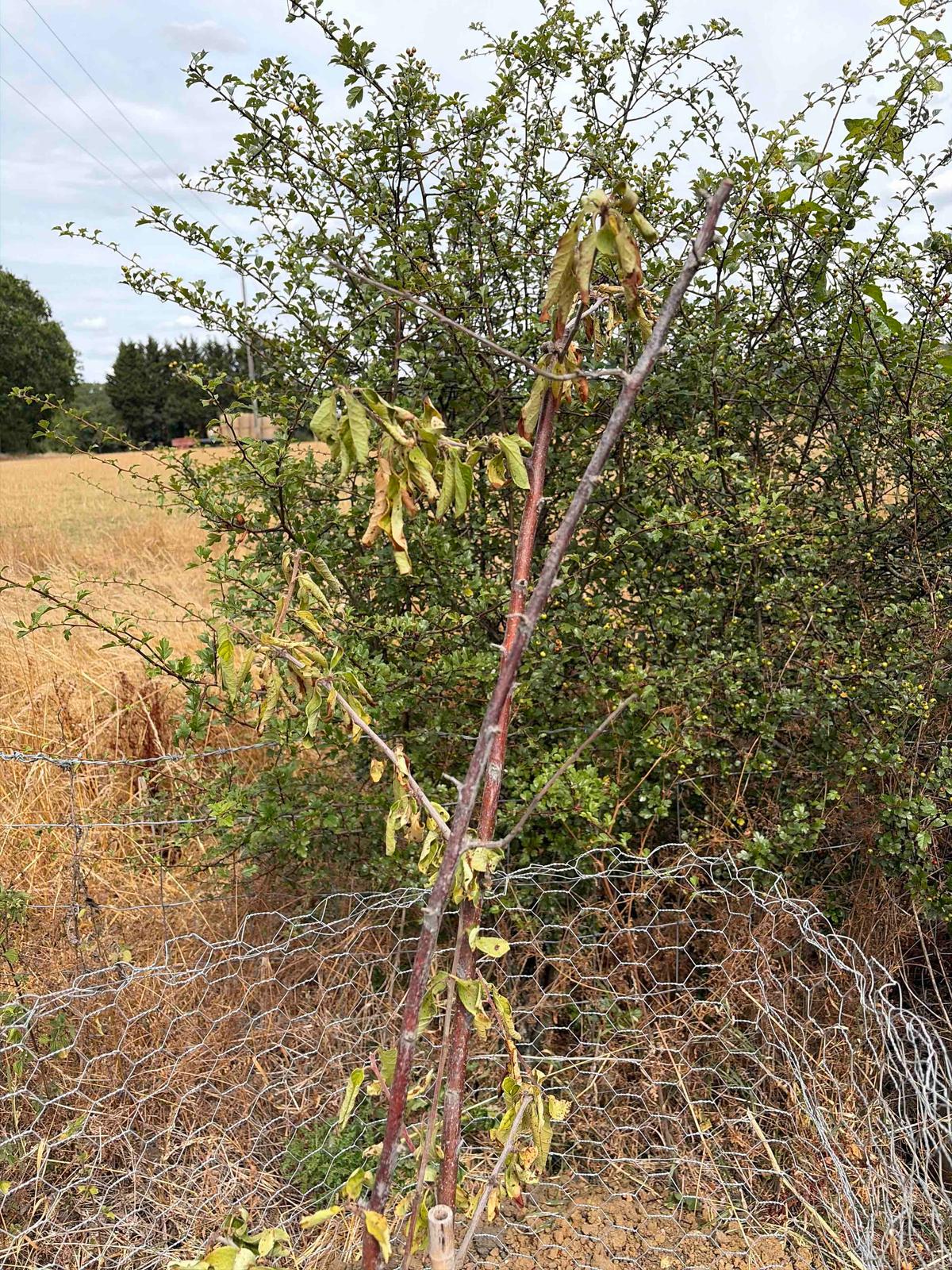
Fire Blight Moderate
Bacterial disease causing branches to look scorched. Prune infected parts well below the damage.
Leaf Spot Mild
Fungal disease causing spots on leaves. Improve air circulation and remove fallen leaves.
Aphids Mild
Small insects feeding on new growth. Spray with insecticidal soap or strong water stream.
Read our aphids guide →History
Hawthorn has a rich history in European folklore, often associated with fairies and protection. Its wood was traditionally used for tools, and its berries and flowers have been used in traditional medicine for centuries, particularly for cardiovascular health.
Popular questions
How often should I water my Hawthorn tree?
Hawthorn trees are quite drought-tolerant once established. Water deeply once a week during dry periods in their first few years to help them establish a strong root system, then only during extended droughts.
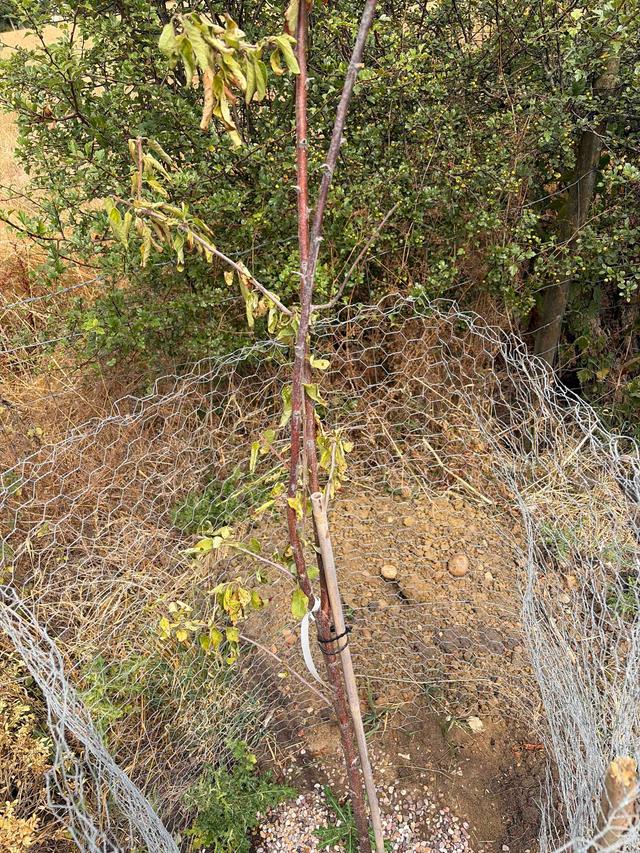
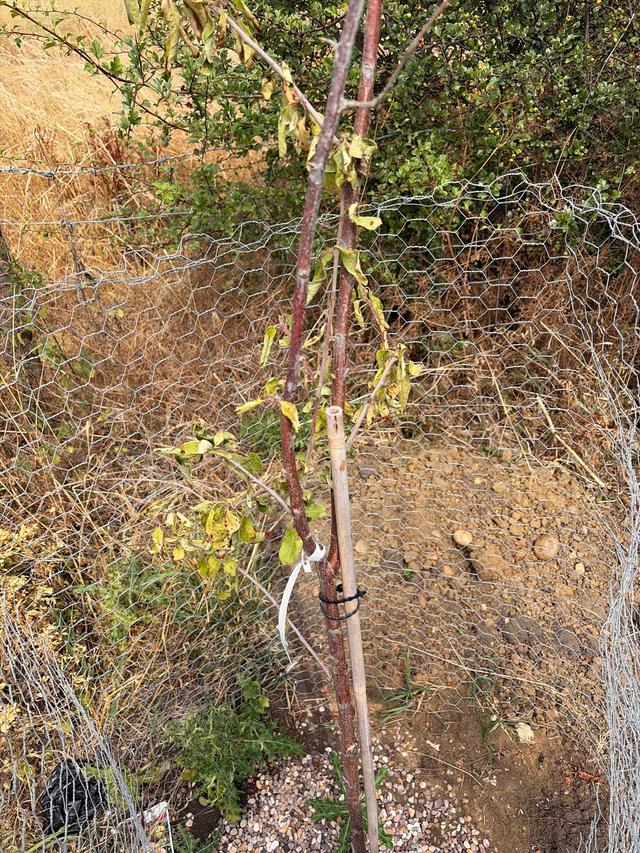
Why are my Hawthorn leaves turning yellow?
Yellowing leaves can indicate several issues, including overwatering, nutrient deficiency, or pest infestations like aphids. Check soil moisture to ensure it's not waterlogged, consider a balanced fertilizer if soil is poor, and inspect for pests.
How can I propagate Hawthorn?
Hawthorn can be propagated from seeds, which require a period of cold stratification to germinate, or from semi-hardwood cuttings taken in late summer. For cuttings, use a rooting hormone to improve success rates.