 Easy care
 Shared by a Gardeno user
English ivy
Hedera helix
Also known as: Common ivy, European ivy, Branching ivy
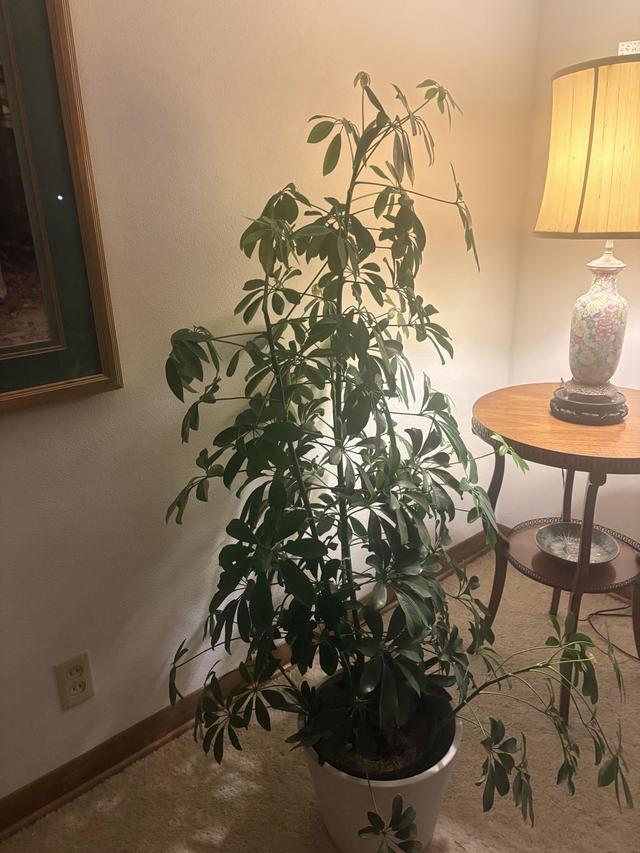
English ivy is a vigorous evergreen vine with juvenile leaves that are typically three- to five-lobed and heart-shaped. It is commonly grown as a climbing or trailing ornamental plant and can adapt to indoor or outdoor conditions with the right light and moisture.
Safety
Toxicity information is AI-generated and may be inaccurate. Always check with a vet or doctor before relying on it around children or pets.
Perks
Basic info
- Family
- Araliaceae
- Genus
- Hedera
- Plant type
- Evergreen vine
- Native region
- Europe and western Asia
- Difficulty
- Easy
Fun fact
English ivy can switch between juvenile climbing growth and mature flowering growth that looks very different from the familiar lobed leaves.
Care profile
Difficulty
Easy
Toughness
High
Maintenance
Medium
Watering
Every 1-2 wks
Care tips
- 1
Let soil dry slightly between waterings
- 2
Give bright indirect light or partial shade
- 3
Prune regularly to control spread and encourage fuller growth
Common problems
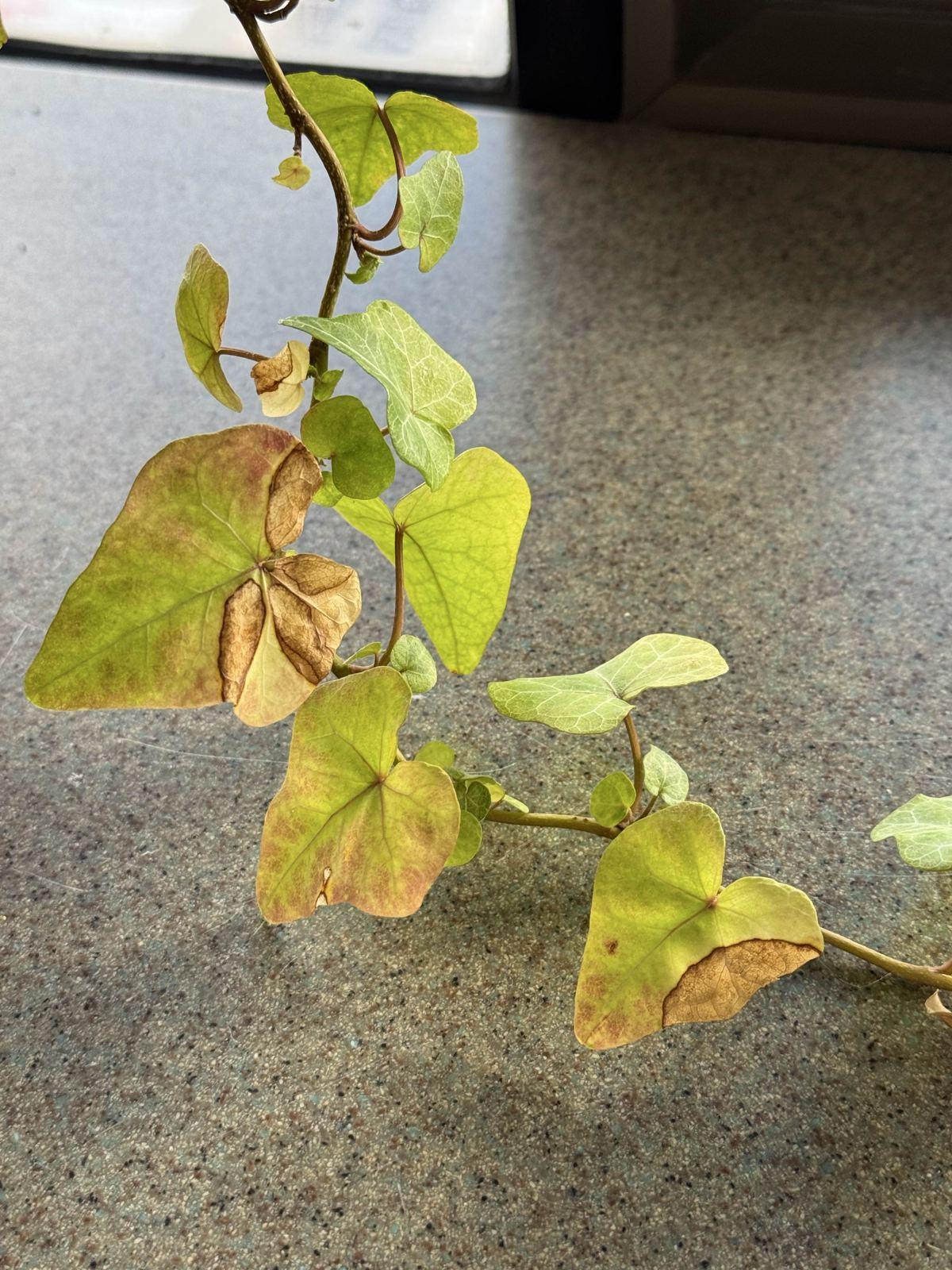
Leaf scorch Moderate
Brown, crispy edges often come from too much direct sun or dry air; move it to gentler light and keep humidity moderate.
Read our leaf scorch guide →Root rot Severe
Yellowing and mushy stems usually mean overwatering or poor drainage; use a pot with drainage and water only when the top layer dries.
Read our root rot guide →Spider mites Moderate
Tiny pests can cause stippling and dull leaves, especially in dry indoor air; rinse foliage and treat with insecticidal soap if needed.
Read our spider mites guide →History
English ivy has been grown in European gardens for centuries and was widely used in classical and Victorian-era landscaping. It became especially popular as a decorative groundcover and climbing vine on walls, fences, and buildings.
Popular questions
How often should I water English ivy?
Water when the top inch of soil feels dry, which is often about every 1 to 2 weeks indoors. Reduce watering in winter, and always avoid letting the plant sit in water because that quickly leads to root rot.
Why are my ivy leaves turning yellow and brown?
Yellowing followed by brown, crispy or soft patches is usually caused by watering issues, too much direct sun, or poor drainage. Check the soil first: if it is soggy, let it dry and improve drainage; if it is very dry, water thoroughly and move it away from harsh sun or heat vents.
How do I propagate English ivy?
English ivy is easy to propagate from stem cuttings with at least one or two nodes. Place the cuttings in water or moist potting mix, keep them warm and in bright indirect light, and roots usually form within a few weeks.