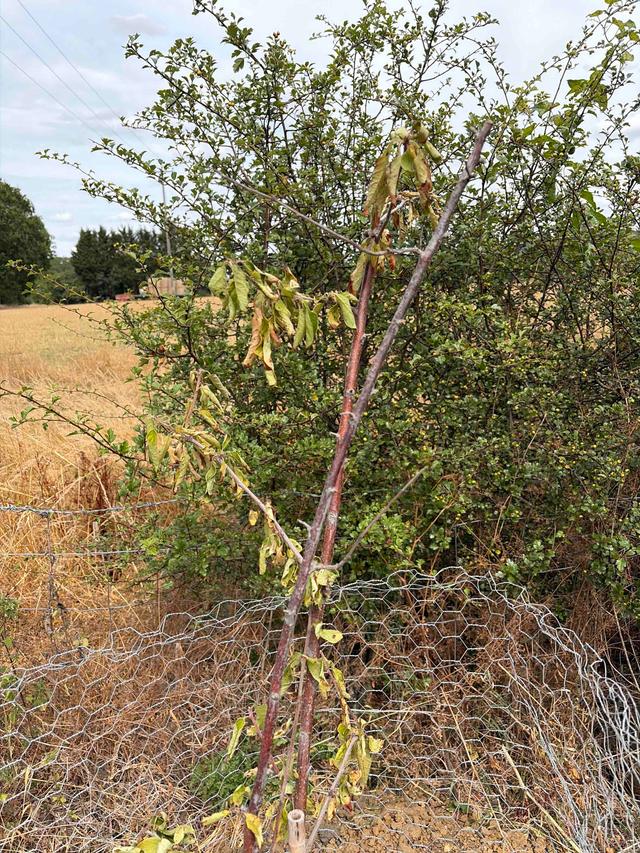
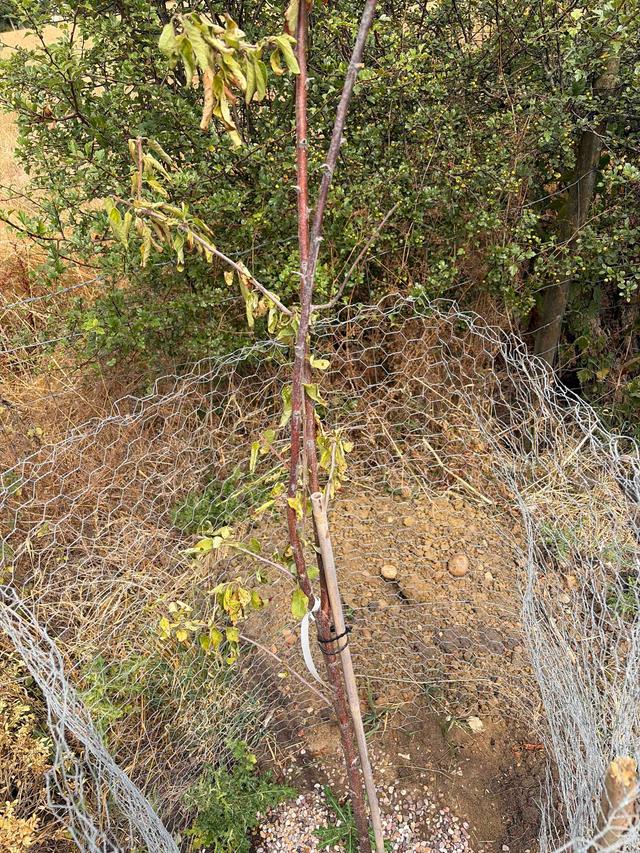
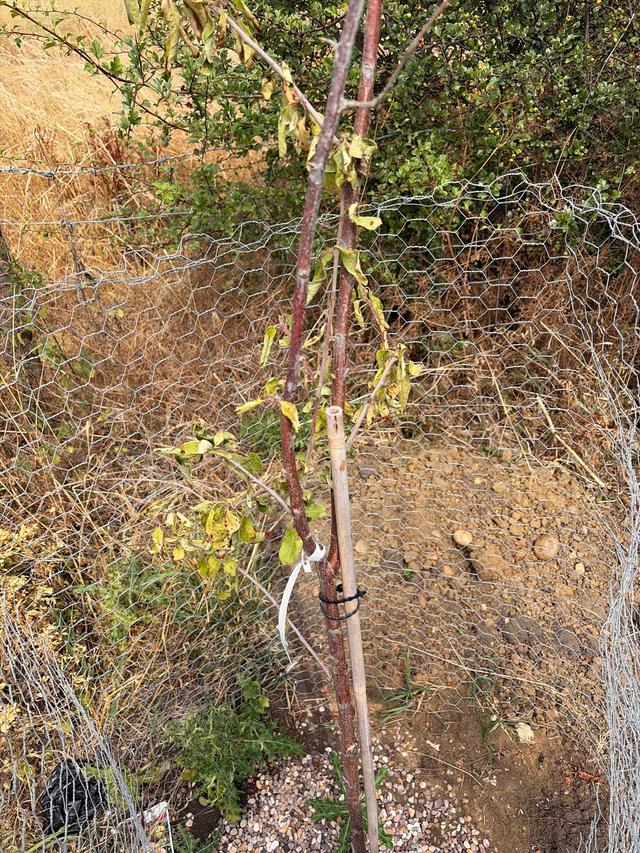
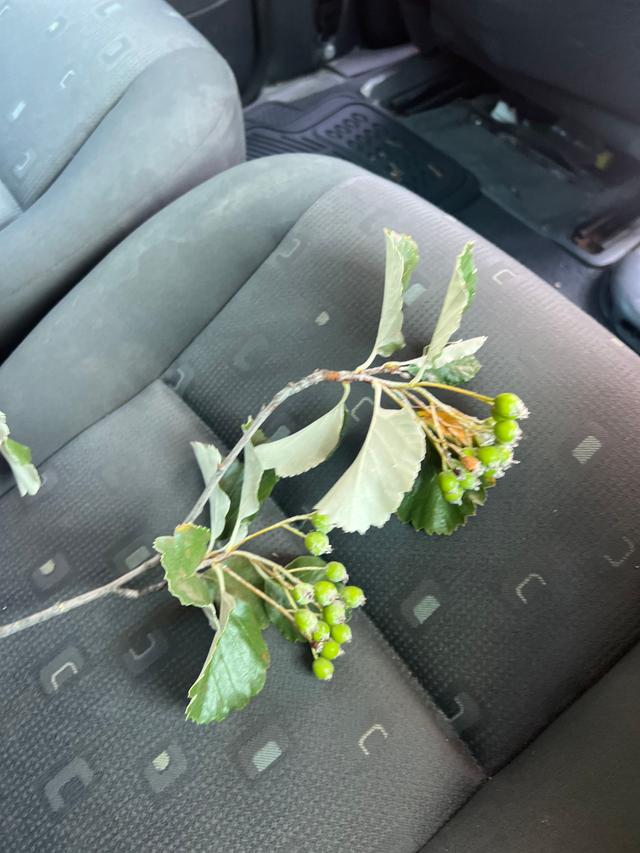
 Easy care
 Shared by a Gardeno user
Ninebark
Physocarpus opulifolius
Also known as: Eastern Ninebark, Atlantic Ninebark
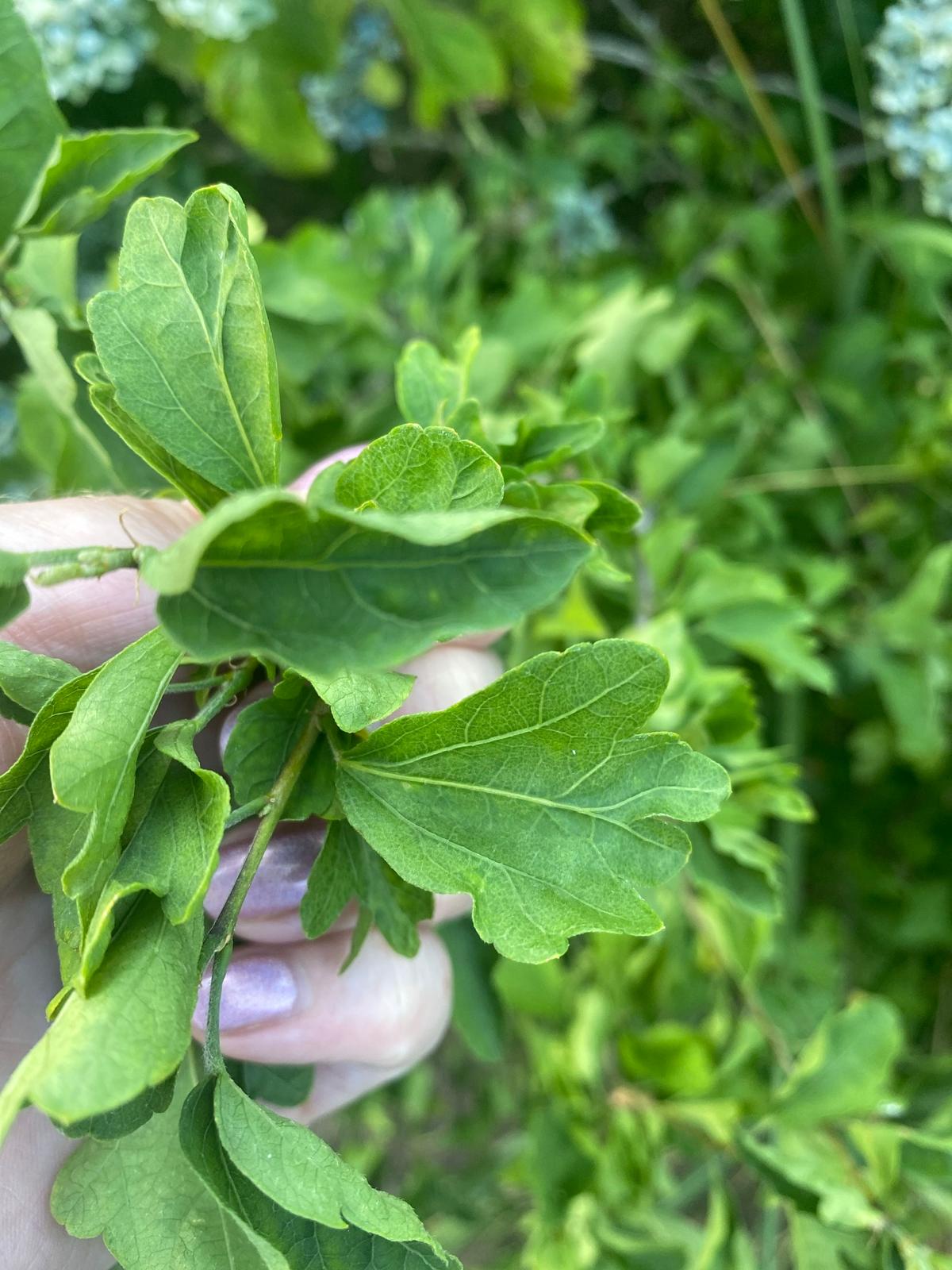
A robust, fast-growing deciduous shrub known for its attractive exfoliating bark and deeply lobed, serrated leaves. It produces clusters of small white to pinkish flowers in late spring to early summer, followed by interesting red fruit.
Safety
Toxicity information is AI-generated and may be inaccurate. Always check with a vet or doctor before relying on it around children or pets.
Perks
Basic info
- Family
- Rosaceae
- Genus
- Physocarpus
- Plant type
- Deciduous Shrub
- Native region
- Eastern North America
- Difficulty
- Easy
Fun fact
The common name 'Ninebark' refers to its distinctive peeling bark, which exfoliates in multiple layers, providing excellent winter interest.
Care profile
Difficulty
Easy
Toughness
High
Maintenance
Low
Watering
Moderate, drought tolerant
Care tips
- 1
Prune after flowering
- 2
Tolerates various soils
- 3
Can be cut back hard
Common problems
Powdery Mildew Mild
White powdery spots on leaves, especially in humid conditions. Ensure good air circulation and consider fungicide if severe.
Read our powdery mildew guide →Leaf Spot Mild
Dark spots on leaves, often caused by fungal infections. Remove affected leaves and improve air circulation.
Aphids Mild
Small insects clustering on new growth, causing distorted leaves. Spray with insecticidal soap or strong water stream.
Read our aphids guide →History
Native to eastern and central North America, Ninebark has a long history of use by indigenous peoples for medicinal purposes and as a dye. It became a popular ornamental shrub in gardens due to its hardiness, attractive foliage, flowers, and unique exfoliating bark.
Popular questions
How often should I water my Ninebark?
Ninebark is quite drought tolerant once established. Water deeply once a week during dry periods, especially in its first year. Reduce frequency in cooler weather or if rainfall is sufficient, allowing the top few inches of soil to dry out between waterings.
Why are the leaves on my Ninebark turning yellow?
Yellowing leaves can indicate overwatering, nutrient deficiency, or sometimes stress from too much shade. Ensure good drainage and check soil pH. If the plant is in heavy shade, consider relocating it to a sunnier spot.
How can I propagate Ninebark?
Ninebark can be easily propagated from softwood cuttings taken in late spring or early summer. Dip the cut ends in rooting hormone and plant them in a well-draining potting mix. Keep the cuttings moist and in a warm, humid environment until roots develop.