 Easy care
 Shared by a Gardeno user
Whitebeam
Sorbus aria
Also known as: Common Whitebeam, Chess-apple
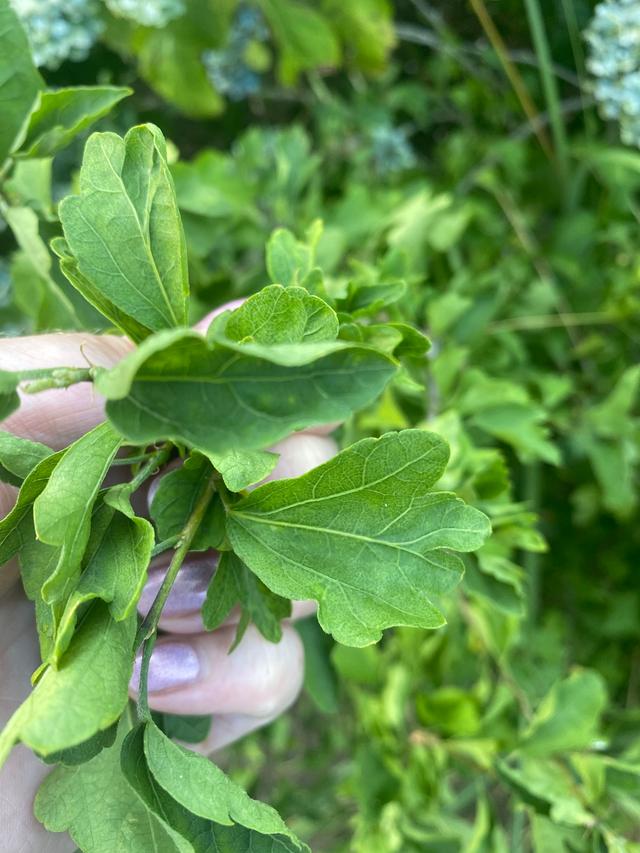
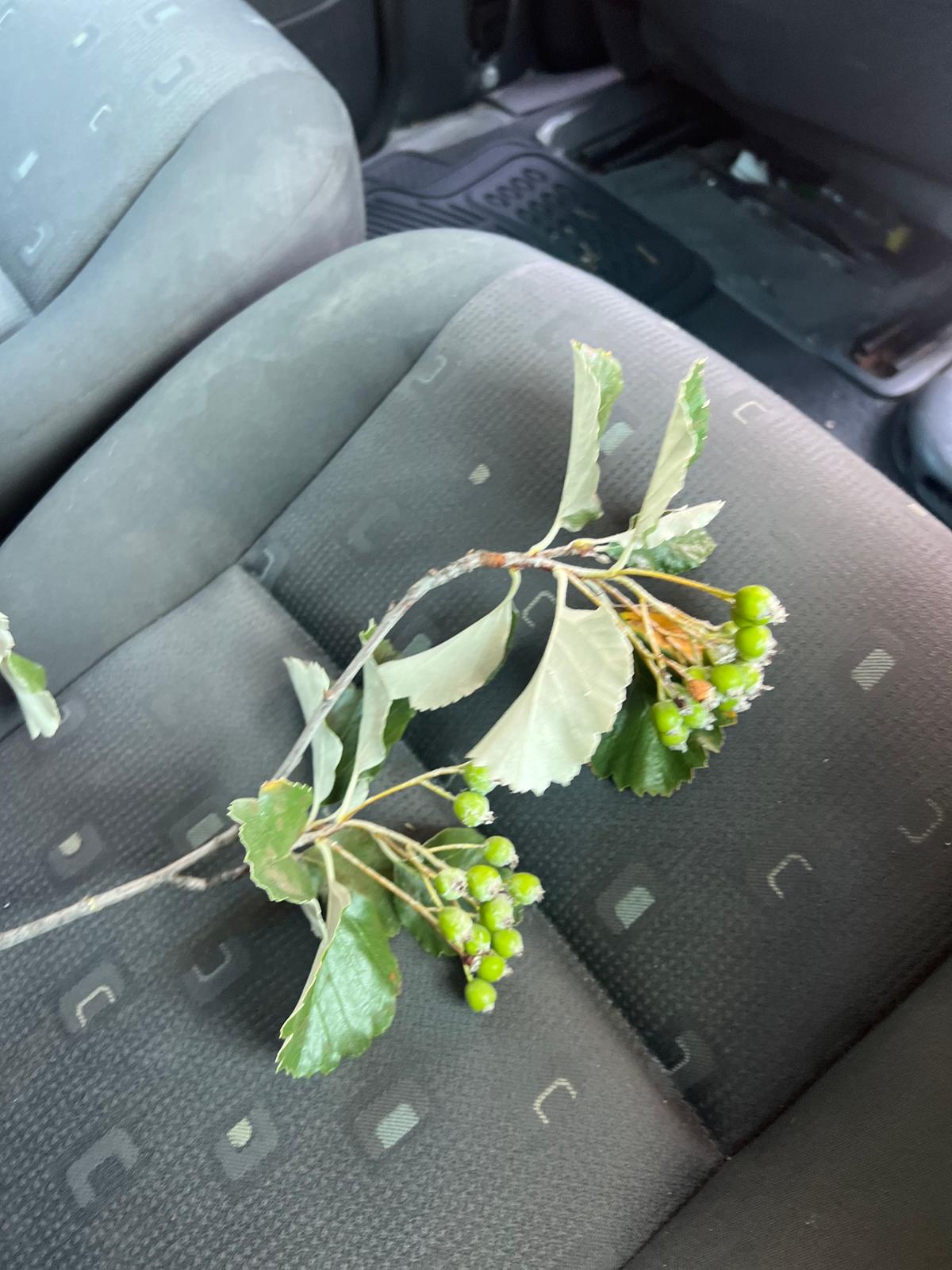
Whitebeam is a medium-sized deciduous tree known for its distinctive leaves, which are dark green above and silvery-white and felted underneath. It produces clusters of small, round, red berries in autumn, preceded by white flowers in spring. This tree is valued for its ornamental qualities and hardiness.
Safety
Toxicity information is AI-generated and may be inaccurate. Always check with a vet or doctor before relying on it around children or pets.
Perks
Basic info
- Family
- Rosaceae
- Genus
- Sorbus
- Plant type
- Tree
- Native region
- Europe, North Africa
- Difficulty
- Easy
Fun fact
The silvery underside of the leaves is a protective adaptation, reflecting sunlight and reducing water loss during hot, dry conditions.
Care profile
Difficulty
Easy
Toughness
High
Maintenance
Low
Watering
Regularly when young
Care tips
- 1
Plant in well-drained soil
- 2
Water regularly when young
- 3
Prune for shape or to remove dead wood
Common problems
Aphids Mild
Small insects that feed on sap, causing distorted leaves. Treat with insecticidal soap or neem oil.
Read our aphids guide →Canker Moderate
Fungal disease causing sunken lesions on bark. Prune affected branches and ensure good air circulation.
Fire Blight Severe
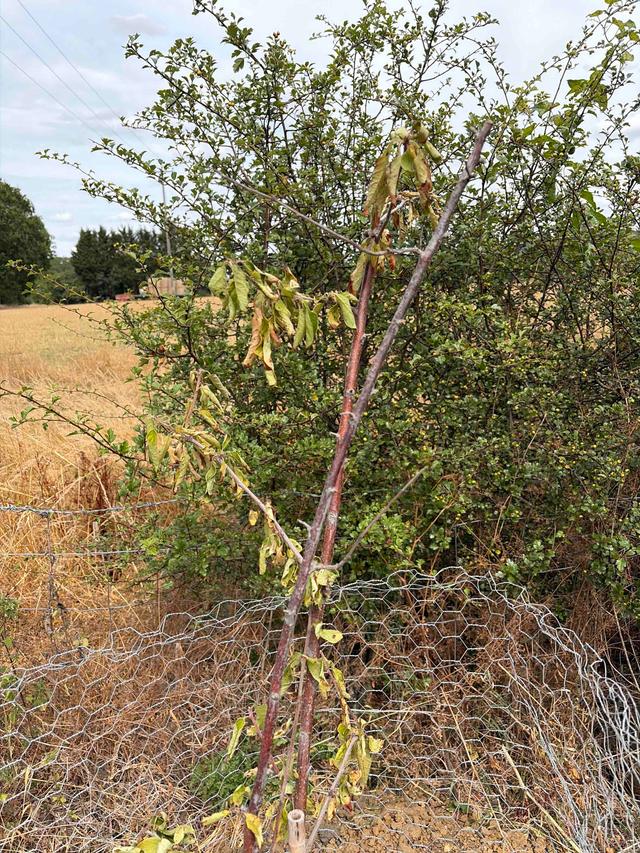
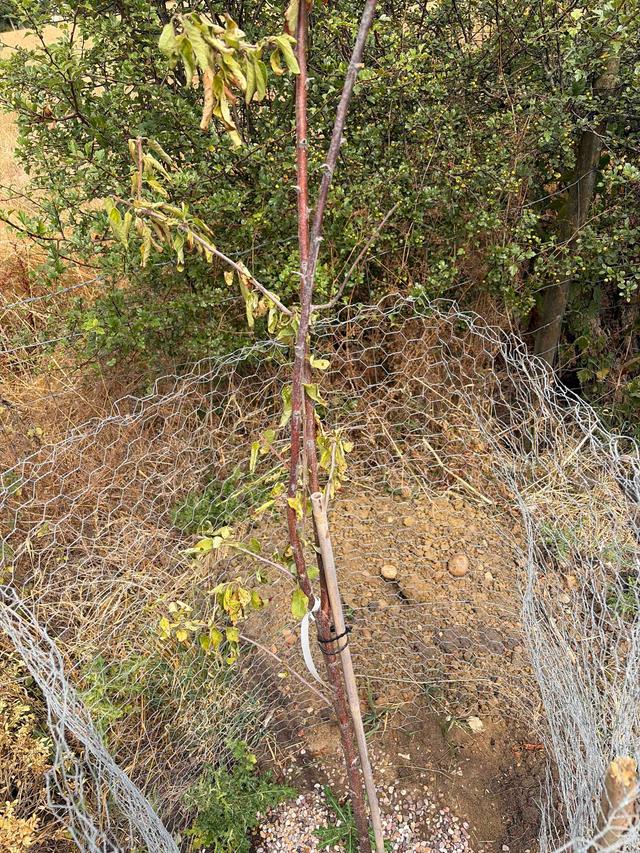
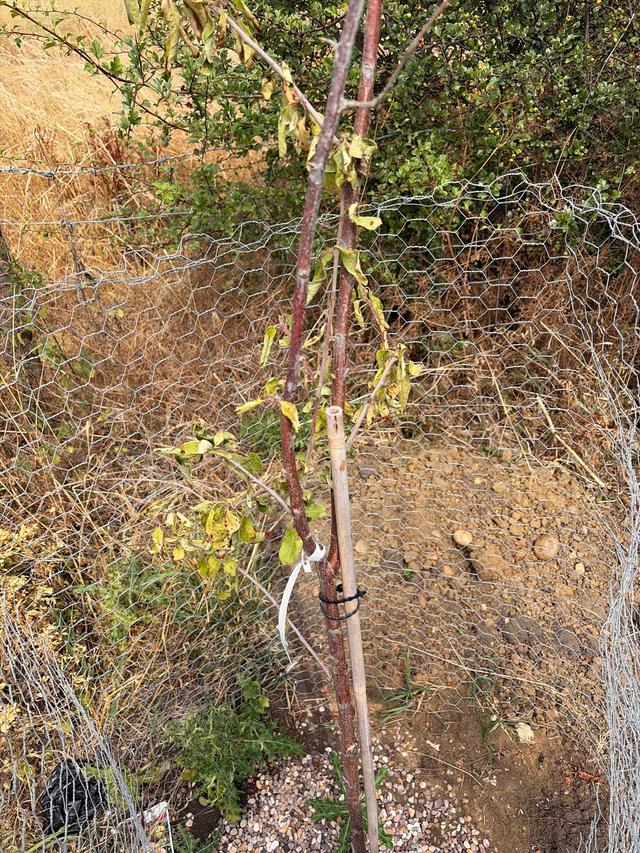
Bacterial disease causing branches to look scorched. Prune infected parts well below the visible damage and sterilize tools.
History
Whitebeam trees have a long history in European landscapes, often planted for their ornamental value and hardiness. Their timber has been used for various purposes, and the ripe berries, though astringent raw, have been traditionally used in jams or fermented drinks after cooking.
Popular questions
How often should I water my Whitebeam tree?
Once established, Whitebeam trees are quite drought-tolerant. Young trees should be watered regularly, about once a week during dry periods, to help them establish a strong root system. Mature trees typically only need supplemental watering during prolonged droughts.
Why are the leaves on my Whitebeam turning brown and crispy?
Browning and crispy leaves can indicate insufficient watering, especially during hot, dry spells. Ensure the tree is receiving adequate moisture. It could also be a sign of fire blight, a bacterial disease; look for blackened, scorched-looking branches and prune them out immediately.
Can I propagate Whitebeam from cuttings?
Whitebeam can be propagated from semi-hardwood cuttings taken in late summer or early autumn. Dip the cut end in rooting hormone and plant in a well-draining potting mix. Keep the soil consistently moist and provide warmth until roots develop.