 Easy care
 Shared by a Gardeno user
Peruvian apple cactus
Cereus repandus
Also known as: Peruvian apple cactus, Queen of the night cactus, Cereus cactus
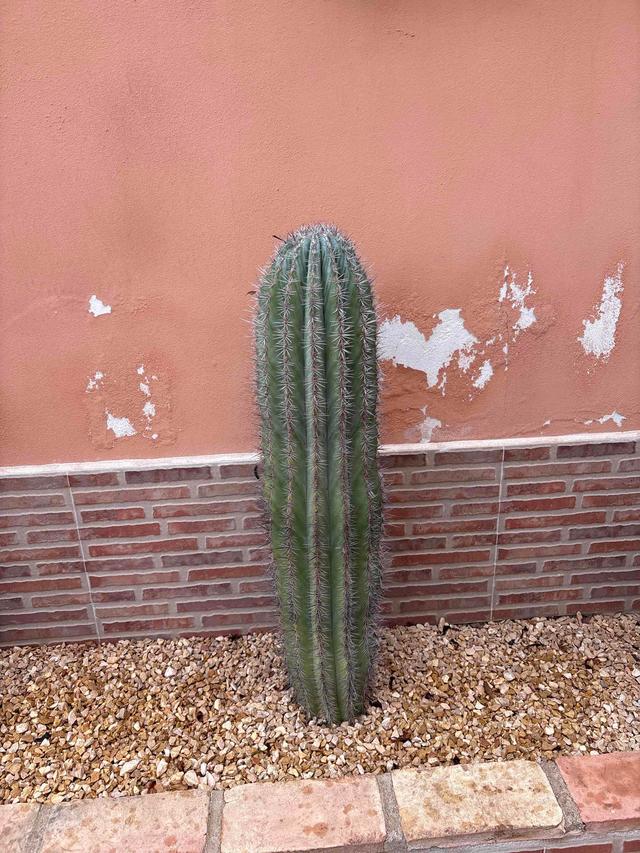
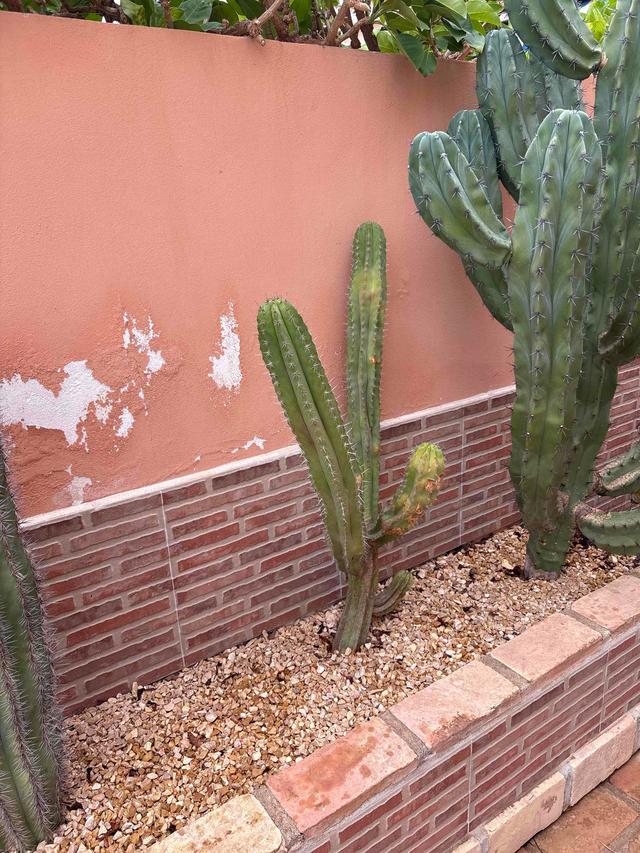
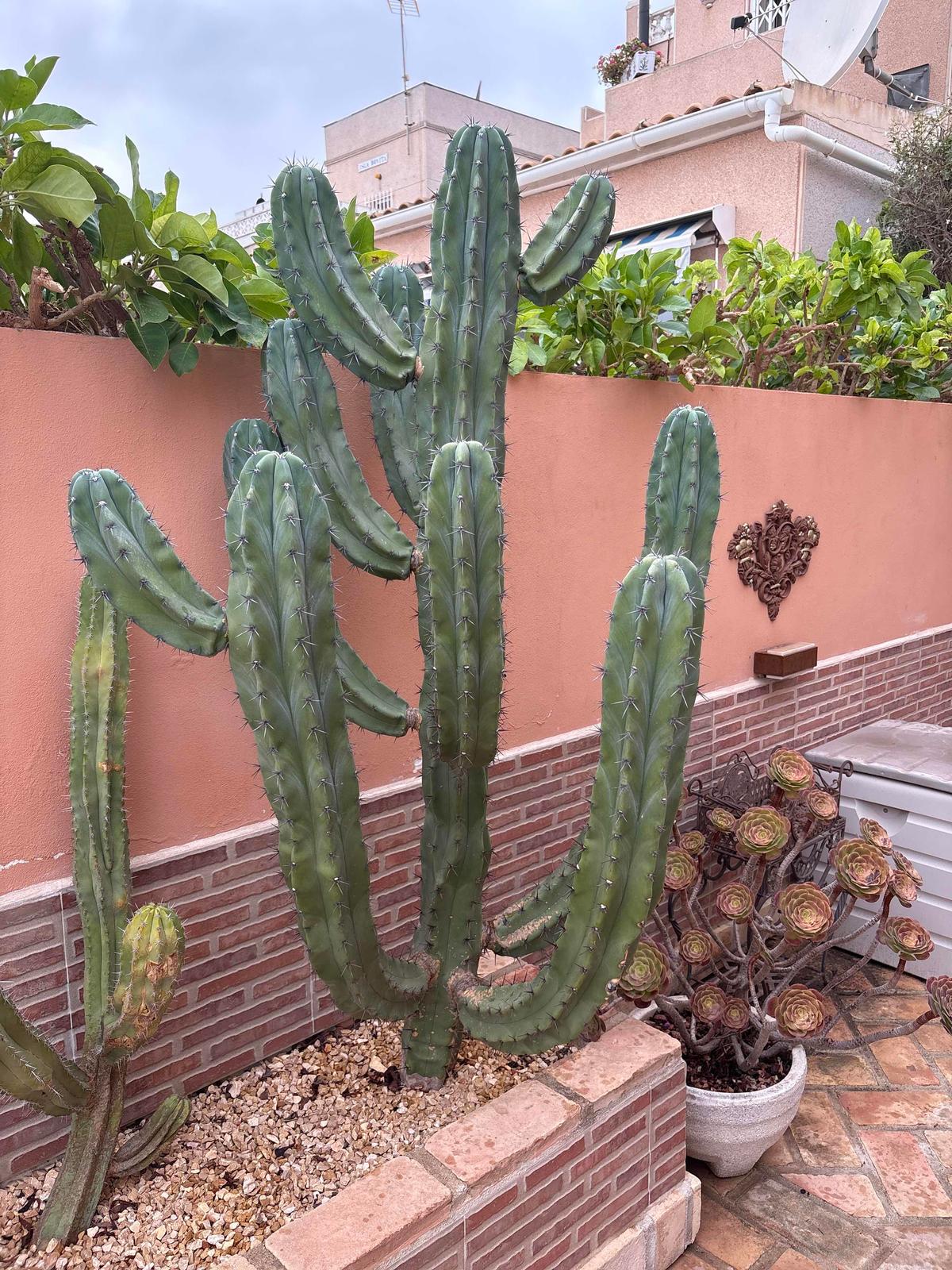
This is a tall, branching columnar cactus with blue-green stems and short spines along pronounced ribs. It is commonly used as a dramatic landscape plant in warm climates and can form a striking sculptural clump over time.
Safety
Toxicity information is AI-generated and may be inaccurate. Always check with a vet or doctor before relying on it around children or pets.
Perks
Basic info
- Family
- Cactaceae
- Genus
- Cereus
- Plant type
- Cactus
- Native region
- South America
- Difficulty
- Easy
Fun fact
It can produce large, edible fruits that resemble small dragon fruits when mature.
Care profile
Difficulty
Easy
Toughness
High
Maintenance
Low
Watering
Every 2-4 wks
Care tips
- 1
Plant in very fast-draining soil to prevent root rot.
- 2
Water deeply, then allow the soil to dry out completely.
- 3
Give it as much direct sun as possible for strong, compact growth.
Common problems
Root rot Severe
Caused by too much water or poor drainage; use gritty soil and water only when fully dry.
Read our root rot guide →Sun scorch Moderate
Sudden exposure to intense sun can bleach or burn stems; acclimate gradually if moving from shade.
Read our leaf scorch guide →Mealybugs Mild
White cottony pests may hide in rib creases; treat with insecticidal soap or alcohol swabs.
Read our mealybugs & scale guide →History
Cereus repandus has long been grown in tropical and subtropical regions as both an ornamental and fruiting cactus. In many places it has become a familiar landscape landmark because of its tall, branching, fence-like form and its ability to thrive in hot, dry conditions.
Popular questions
How often should I water a Peruvian apple cactus?
Water only when the soil has dried out completely, then soak thoroughly and let excess drain away. In warm weather that may be every 2-4 weeks, and much less often in winter.
Why is my cactus turning yellow or soft?
Yellowing, softness, or a mushy base usually means overwatering or poor drainage. Move it to a gritty mix, reduce watering, and remove any rotting tissue if the damage is localized.
How do I propagate this cactus?
It is commonly propagated from stem cuttings. Let the cutting dry and callus for several days to a week, then plant it in dry, well-draining cactus mix and water sparingly until roots form.