 Easy care
 Shared by a Gardeno user
Queen of the Night cactus
Epiphyllum oxypetalum
Also known as: Orchid cactus, Night-blooming cereus
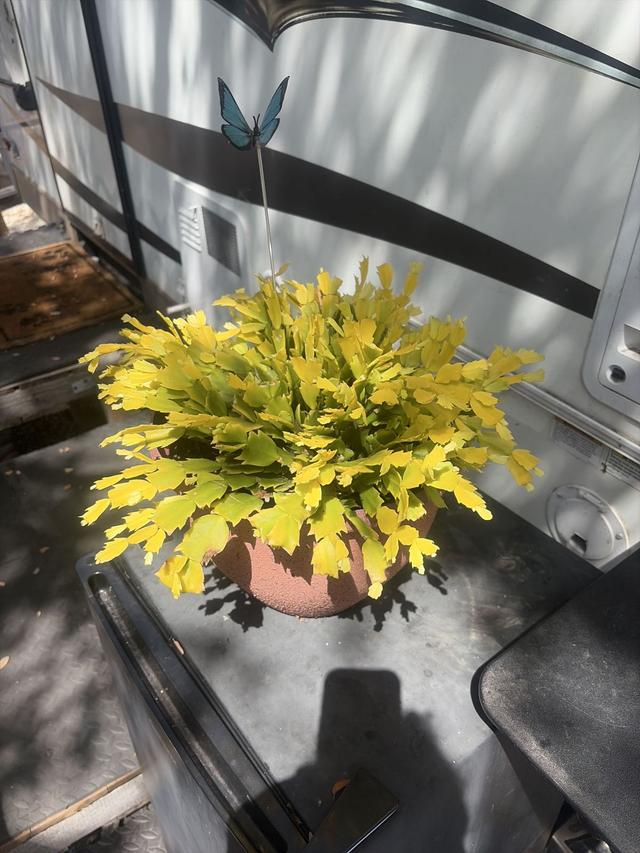
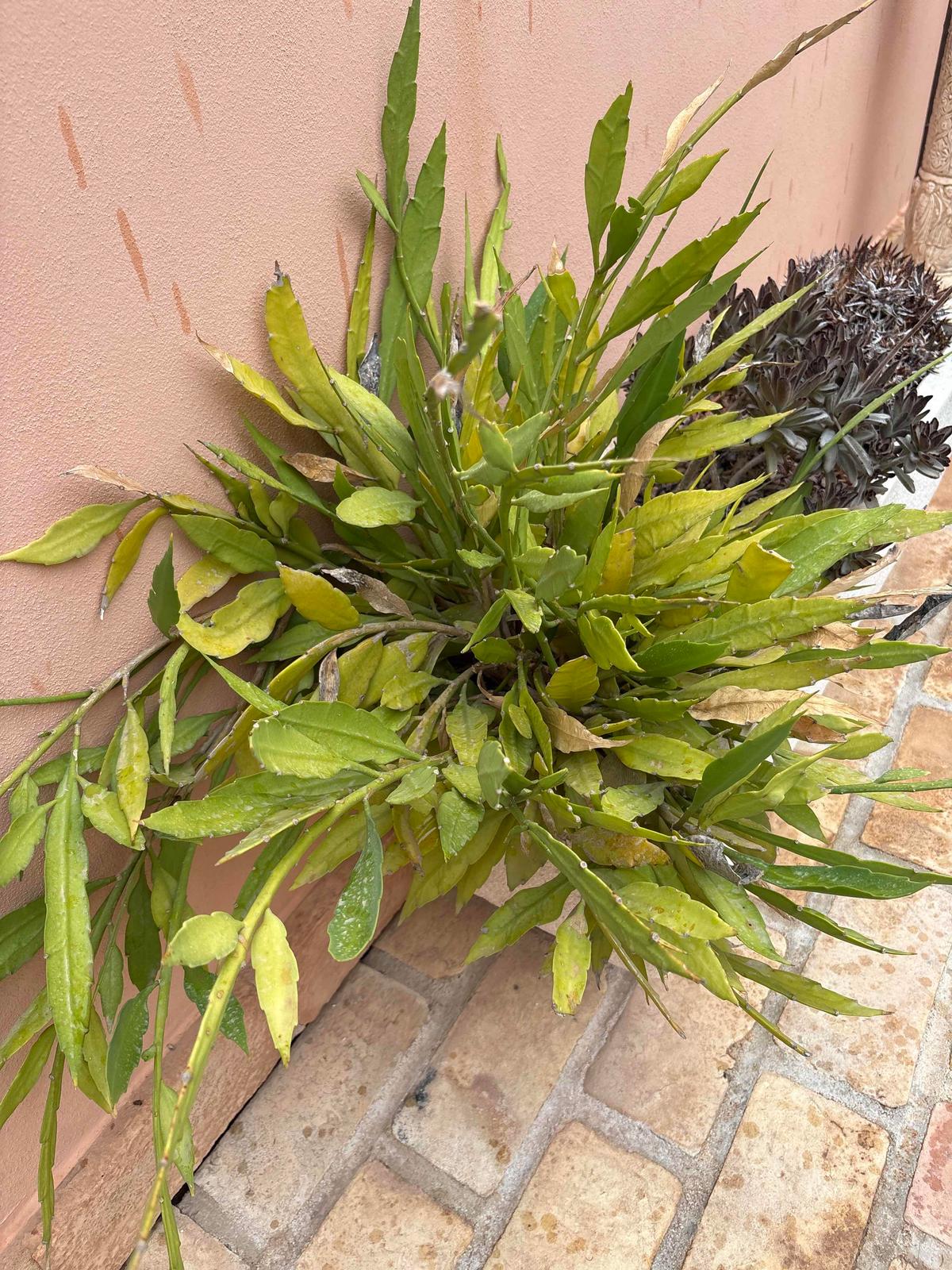
This is a flat-stemmed epiphytic cactus with long, leaf-like segments that grow in clumps and trail or arch as they mature. It is best known for its huge, fragrant white flowers that open at night and often last only a single evening.
Safety
Toxicity information is AI-generated and may be inaccurate. Always check with a vet or doctor before relying on it around children or pets.
Perks
Basic info
- Family
- Cactaceae
- Genus
- Epiphyllum
- Plant type
- Epiphytic cactus
- Native region
- Central America
- Difficulty
- Easy
Fun fact
Its flowers can be spectacularly large and are often pollinated by night-flying moths and bats.
Care profile
Difficulty
Easy
Toughness
Medium
Maintenance
Low
Watering
Every 1-2 wks
Care tips
- 1
Give bright filtered light and avoid harsh afternoon sun.
- 2
Let the top soil dry before watering again.
- 3
Use a fast-draining cactus mix and a pot with drainage.
Common problems
Yellowing stems Moderate
Usually caused by too much sun or overwatering; move it to brighter indirect light and let the mix dry more between waterings.
Read our yellow leaves guide →Root rot Severe
Soft, mushy bases mean the roots are staying too wet; cut back watering and repot into a better-draining mix if needed.
Read our root rot guide →Pests Mild
Mealybugs and scale can hide along the stems; wipe them off with alcohol or use insecticidal soap.
History
Epiphyllum species come from tropical American forests where they grow on trees and rocks rather than in ground soil. The plant became popular worldwide as a collector's houseplant because its enormous night-blooming flowers seemed to appear almost magically and are often celebrated in gardens and folklore.
Popular questions
How often should I water this cactus?
Water thoroughly, then wait until the top inch or two of soil dries out before watering again. It wants more moisture than desert cacti, but it still hates soggy roots.
Why are the stems turning yellow or limp?
Yellowing or soft stems usually mean too much direct sun, overwatering, or poor drainage. Move it to brighter indirect light and reduce watering; if the stems are mushy at the base, check for root rot.
How do I propagate it?
Take a healthy stem cutting, let the cut end dry and callus for a few days, then plant it in a lightly moist, well-draining mix. Keep it warm and in bright indirect light until roots form.