Root rot: how to spot it, fix it and prevent it
Root rot is one of the most common reasons houseplants die, and one of the most fixable when you catch it early.
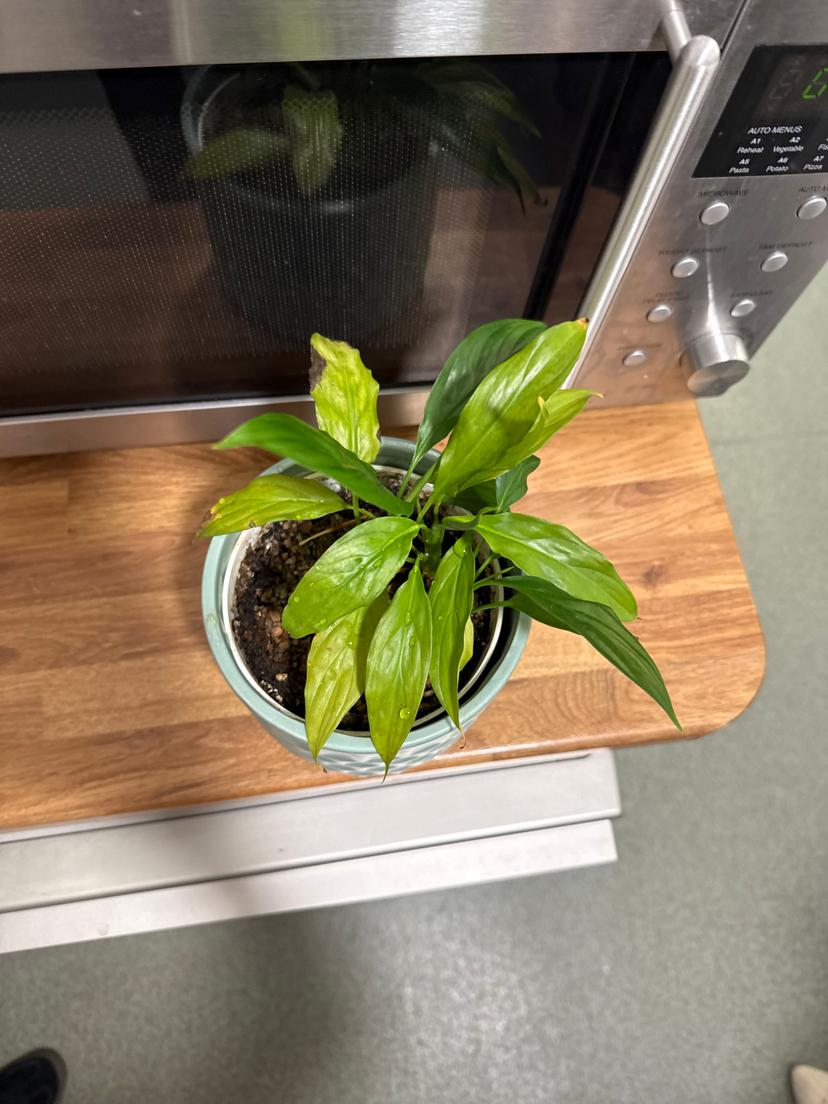 Peace Lily · from a Gardeno health check
The short answerRoot rot is when a plant’s roots decay because the soil stays wet for too long, cutting off air to the roots. To fix it, take the plant out of its pot, cut away every soft, brown or black root, and repot it in fresh, well-draining soil in a pot with drainage holes. Then water only when the top few centimetres of soil are dry.
Signs of root rot
Above the soil, root rot looks a lot like thirst, which is why it’s so often made worse with more water. The difference: the soil is wet.
The only sure test is to look at the roots. Ease the plant out of its pot:
What causes root rot
Watering too often. The most common cause. Roots need air as well as water; constantly wet soil suffocates them.
Poor drainage. No drainage holes, or a decorative outer pot or saucer that holds water around the roots.
Dense or old soil. Compacted soil holds water and stays soggy for days.
A pot that’s too big. Extra soil the roots can’t reach stays wet long after watering.
Cold and wet together. In winter plants drink less, so the same watering routine leaves the soil wet for longer. Rot-causing fungi thrive in these conditions.
How to fix root rot, step by step
- Stop wateringDon’t add any more water until the plant is repotted.
- Take the plant out and rinse the rootsGently remove the old soil so you can see every root clearly.
- Cut away all rotten rootsUse clean, sharp scissors to remove every brown, black or mushy root. Clean the blades between cuts.
- Repot in fresh, well-draining soilUse a clean pot with drainage holes, only slightly bigger than the remaining roots. Never reuse the old soil.
- Water lightly and give it bright, indirect lightWater once to settle the soil, then wait until the top few centimetres are dry. Skip fertiliser until you see new growth.
- If most roots are gone, take cuttingsHealthy stem cuttings can be rooted in water or fresh soil to save the plant.
Recovery takes a few weeks. Some leaves may still yellow and drop at first; firm new roots and new leaves are the signs it’s working.
How to prevent root rot
Plants prone to root rot
61 plants in our encyclopedia list root rot as a common problem. Here they are, with the advice for each; photos marked “Health check” show the problem itself.
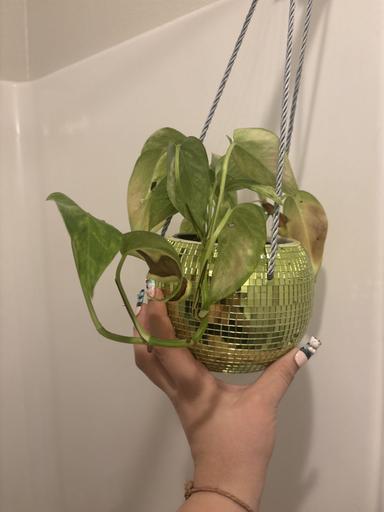 Health checkGolden PothosEpipremnum aureumsevereCaused by soggy soil and sitting water; remove damaged roots, repot into fresh mix, and water less often.
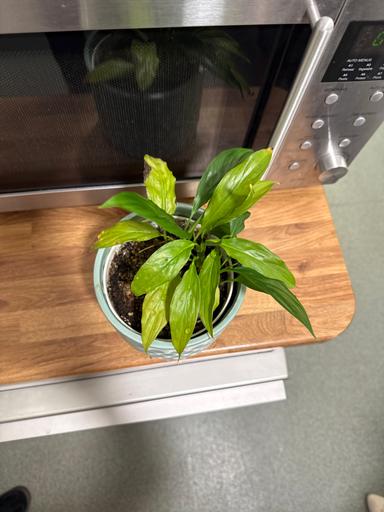 Health checkPeace LilySpathiphyllum wallisiisevereOverwatering or poor drainage can cause yellowing and mushy roots; let the top layer dry slightly and repot into a well-draining mix if needed.
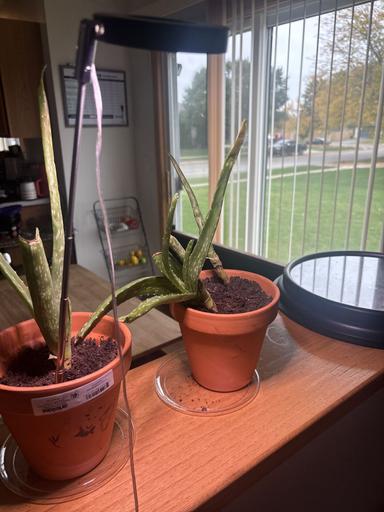 Health checkAloe VeraAloe verasevereUsually caused by overwatering or poor drainage; let the soil dry completely and repot into a gritty, fast-draining mix if needed.
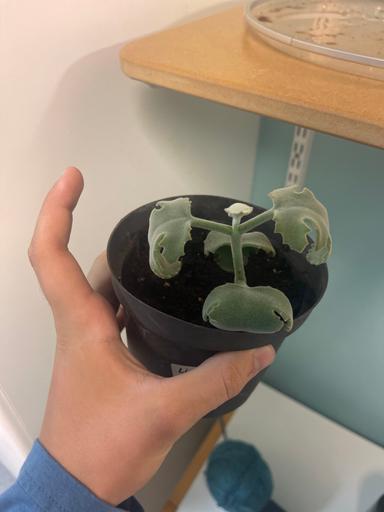 Health checkFelt BushKalanchoe beharensissevereCaused by overwatering. Ensure well-draining soil and allow it to dry completely between waterings.
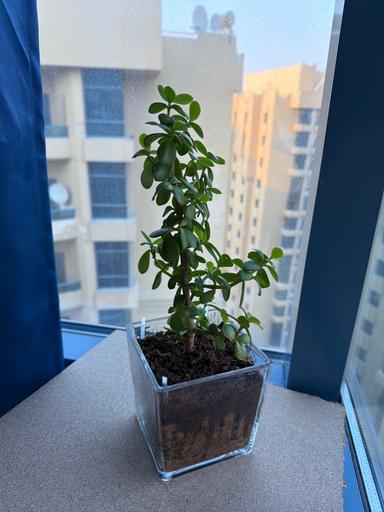 Jade PlantCrassula ovatasevereUsually caused by overwatering or poor drainage; reduce watering and repot into a gritty mix if the soil stays wet.
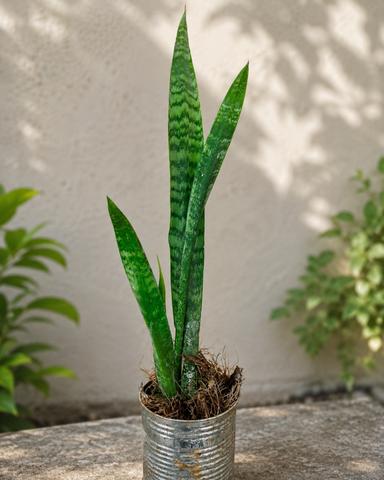 Snake PlantDracaena trifasciatasevereUsually caused by overwatering or poor drainage; repot into dry, well-draining soil and water much less often.
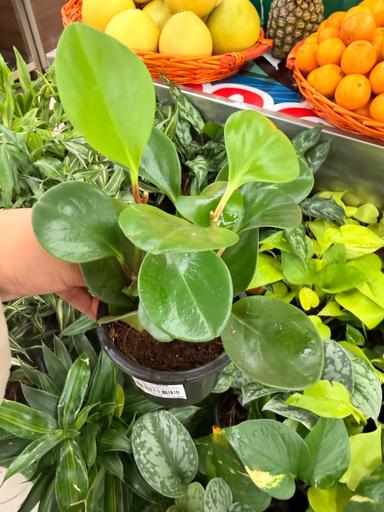 Baby Rubber PlantPeperomia obtusifoliasevereCaused by overwatering or poor drainage; allow the soil to dry more between waterings and repot into a fast-draining mix if needed.
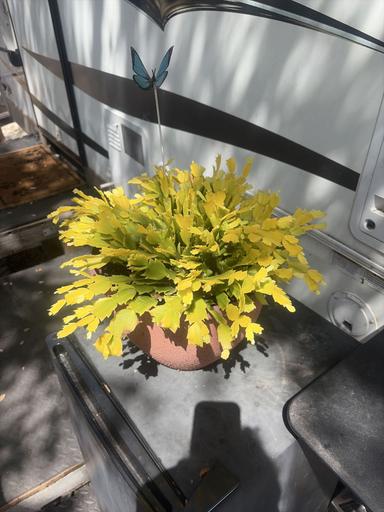 Thanksgiving CactusSchlumbergera truncatasevereToo much water or poor drainage can cause black, mushy roots. Let the mix dry slightly and repot into a faster-draining substrate if needed.
From Gardeno’s plant health checks
Root rot FAQ
Can a plant recover from root rot?
Often, yes. If some firm, healthy roots remain after you cut away the rotten ones, the plant can recover in fresh, dry soil. If almost every root is gone, rooting healthy cuttings is the best way to save it.
Can root rot spread to my other plants?
The fungi that cause it live in wet soil and water, so don’t reuse old soil and wash pots well before using them again. Plants in well-drained, properly watered soil are rarely affected.
Is it overwatering or underwatering?
Check the soil. Drooping leaves in dry soil mean thirst; drooping or yellow leaves in soil that’s still wet point to overwatering and possible root rot.
How long does recovery take?
Usually a few weeks. New leaves and firm white roots are the signs your plant has turned the corner.
This guide is for general plant care. Per-plant advice is AI-generated from Gardeno scans and may be inaccurate; check with an expert for valuable plants.
