 Easy care
 Shared by a Gardeno user
Mexican fence post cactus
Pachycereus marginatus
Also known as: Fence post cactus, Organ pipe cactus
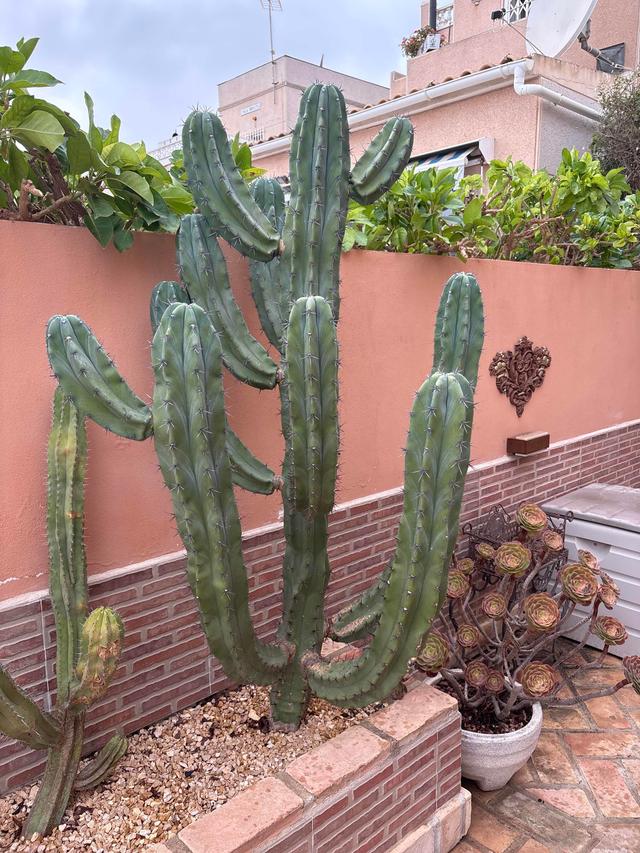
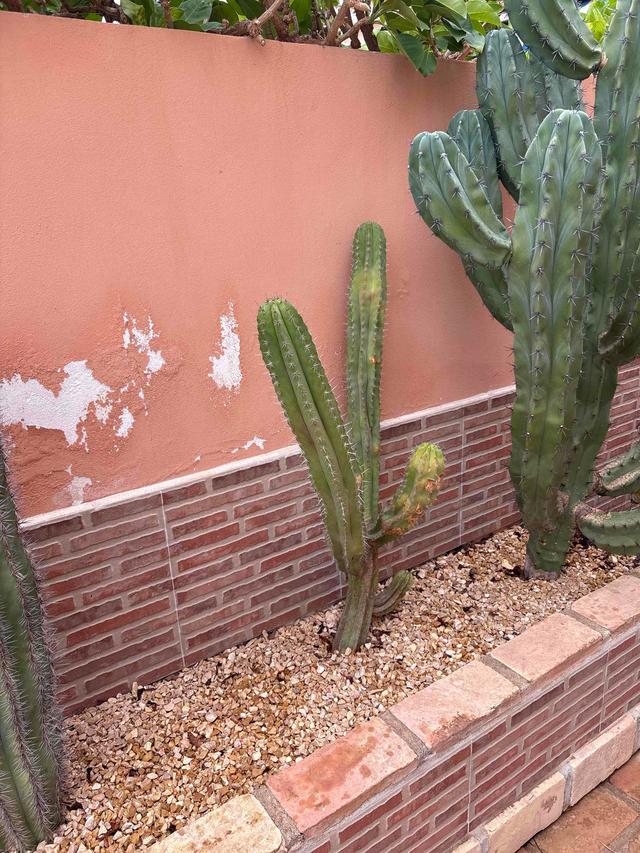
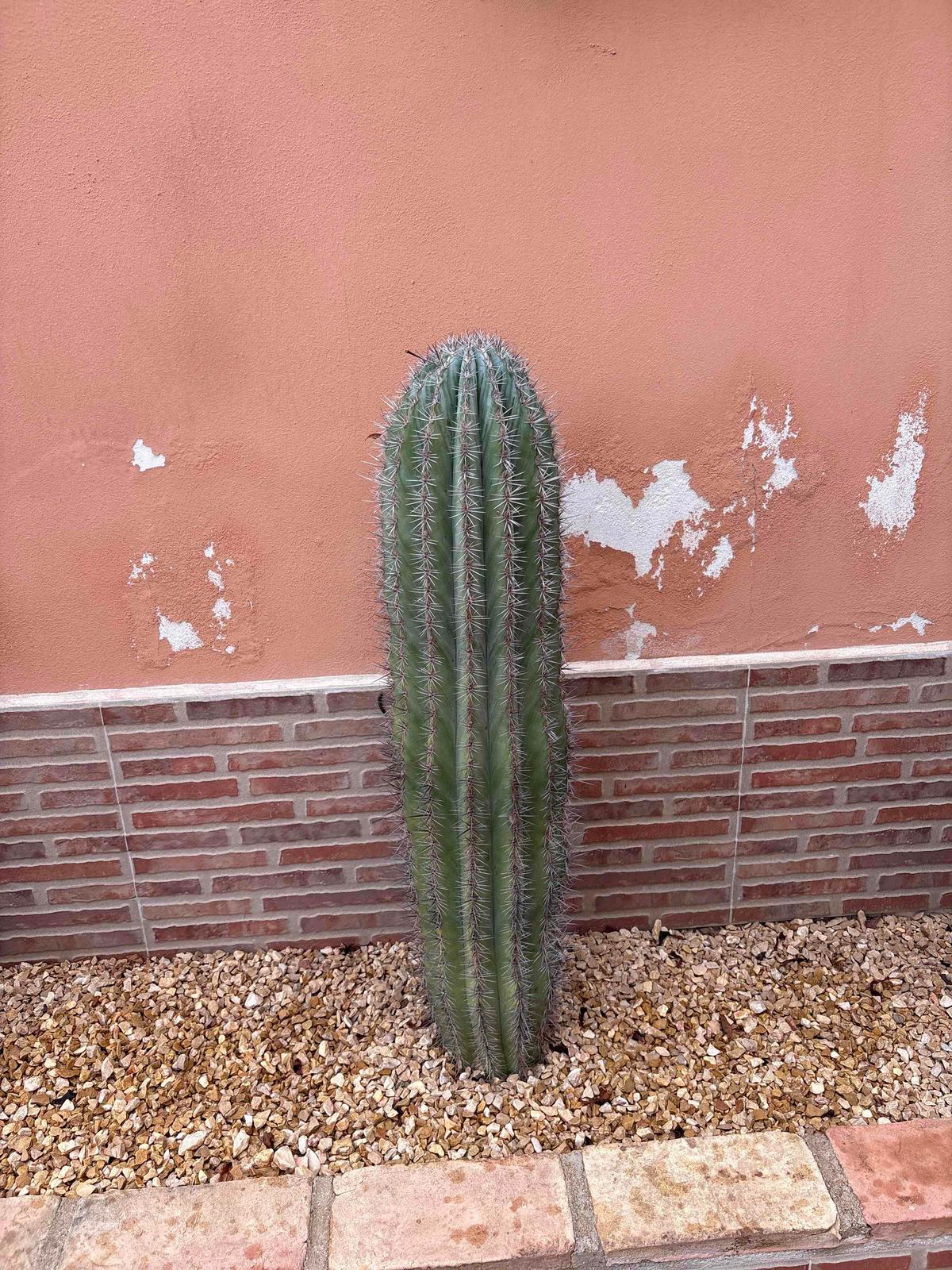
This tall, narrow cactus forms upright green columns with distinct ribs and short, spiny areoles. It is a popular landscape plant in warm climates because of its strong architectural shape and low water needs.
Safety
Toxicity information is AI-generated and may be inaccurate. Always check with a vet or doctor before relying on it around children or pets.
Perks
Basic info
- Family
- Cactaceae
- Genus
- Pachycereus
- Plant type
- Columnar cactus
- Native region
- Central Mexico
- Difficulty
- Easy
Fun fact
It is often planted in rows to create a living fence, which is how it got its common name.
Care profile
Difficulty
Easy
Toughness
High
Maintenance
Low
Watering
Every 2-4 wks
Care tips
- 1
Plant in very well-draining soil or gravelly ground.
- 2
Water deeply only when the soil is completely dry.
- 3
Protect from hard frost and avoid overwatering.
Common problems
Root rot Severe
Caused by too much moisture or poorly draining soil; let soil dry fully and improve drainage.
Read our root rot guide →Sun scorch Moderate
Brown or bleached patches can appear after sudden exposure to intense sun; acclimate gradually and avoid abrupt moves.
Read our leaf scorch guide →Cold damage Moderate
Frost can cause soft, discolored tissue; protect from freezing temperatures and cover during cold snaps.
History
Pachycereus marginatus has long been used in Mexican and southwestern landscapes for both ornament and function. Its upright, uniform stems make it a natural choice for living boundaries, and it has become a recognizable symbol of desert gardens.
Popular questions
How often should I water a Mexican fence post cactus?
Water only after the soil has dried out completely, which is usually every 2-4 weeks in warm weather and much less in winter. In-ground plants in hot, dry climates may need little to no supplemental watering once established.
Why is my cactus turning yellow or soft?
Yellowing or softness usually points to overwatering or root rot, especially if the soil stays wet for long periods. Move it to drier conditions, check for mushy roots, and switch to a sharply draining soil mix.
How do I propagate this cactus?
It is commonly propagated from stem cuttings. Let the cut end dry and callus for several days to a week, then place it into dry, well-draining cactus mix and wait to water until roots begin forming.