Leaf scorch: how to spot sun damage and save your plant
Leaf scorch is sunburn for plants. It often happens after a move to a sunnier spot or during a heatwave, and the damage shows within days.
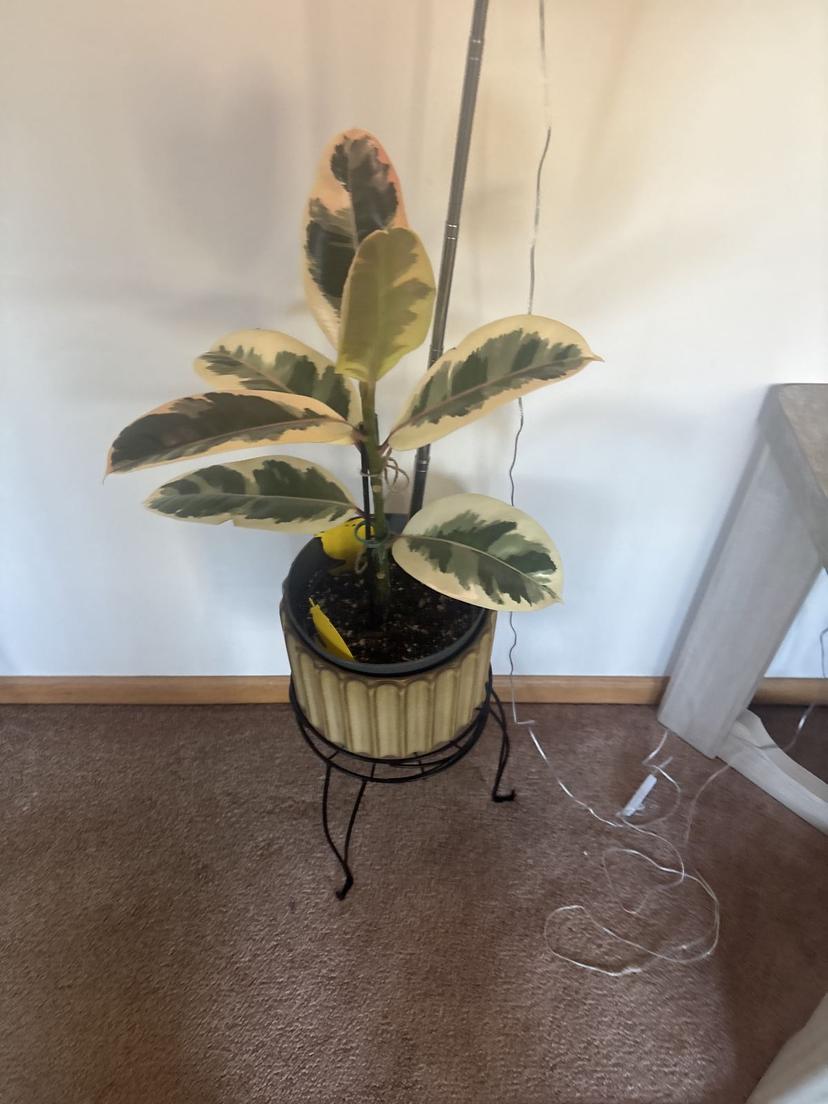 Variegated rubber plant · from a Gardeno health check
The short answerLeaf scorch is damage from more sun or heat than a leaf can handle. It shows as pale, bleached or brown, crispy patches, mostly on the leaves facing the light. Move the plant out of harsh direct sun or filter the light with a sheer curtain, keep the watering steady, and trim badly damaged leaves. Scorched patches won’t heal, but new leaves will grow in healthy.
Signs of leaf scorch
Scorch appears where the sun hits hardest. Check which side of the plant faces the window.
What causes leaf scorch
A sudden move into sun. Plants grown in shade or indoors haven’t built up protection for strong sun. Moving them outside or to a south-facing window too quickly burns them.
Hot afternoon sun through glass. Glass intensifies heat, and leaves pressed against a sunny window can cook.
Dry soil in hot weather. A thirsty plant can’t cool its leaves, so it burns more easily.
Water on leaves in strong sun. Droplets can focus sunlight and leave small burnt spots.
How to fix leaf scorch, step by step
- Get it out of the harsh sunMove it back a little from the window, or filter the light with a sheer curtain.
- Water if the soil is dryWater thoroughly, then keep the watering steady while it recovers.
- Leave damaged leaves for nowPartly scorched leaves still feed the plant. Remove them only once they’re mostly brown.
- Don’t feed until it recoversWait for healthy new growth before fertilising again.
- Reintroduce sun graduallyIf it’s a sun lover, give it an hour or two more direct sun each week until it’s used to it.
Scorched areas stay marked. Recovery means new leaves coming in clean.
How to prevent leaf scorch
Plants prone to leaf scorch
27 plants in our encyclopedia list leaf scorch as a common problem. Here they are, with the advice for each; photos marked “Health check” show the problem itself.
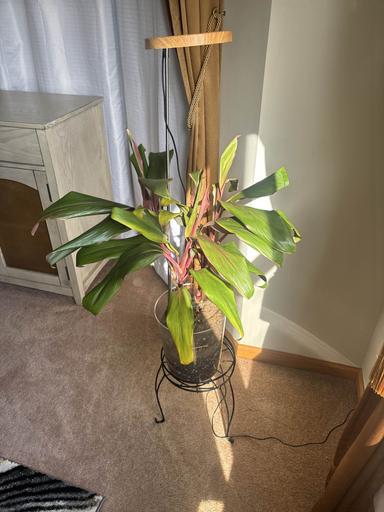 Health checkTi plantCordyline fruticosamoderateDirect sun can bleach or burn the leaves; move it to bright indirect light.
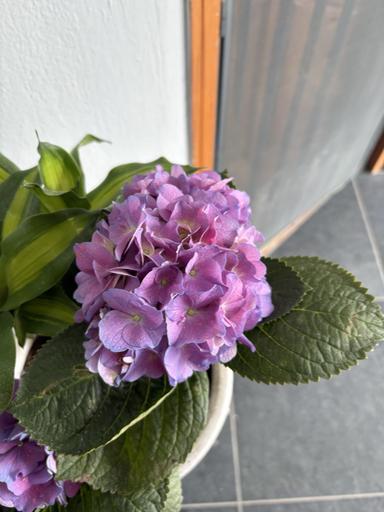 Bigleaf HydrangeaHydrangea macrophyllamoderateBrown, crispy leaf edges can happen in hot sun or dry soil; move it to brighter shade and water consistently.
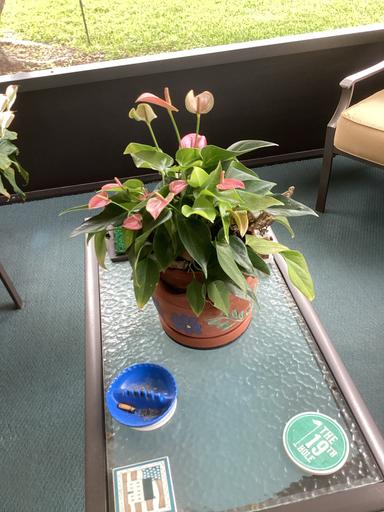 Flamingo FlowerAnthurium andraeanummildDirect sun can bleach or burn leaves and flowers; move it to brighter indirect light.
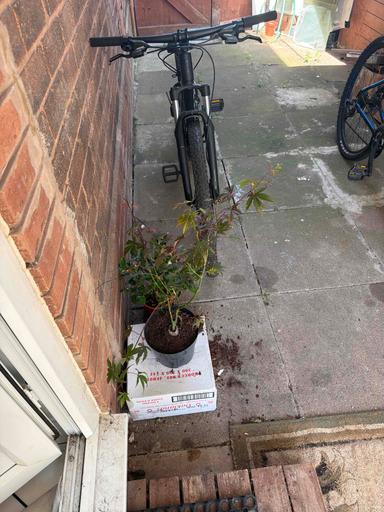 Japanese MapleAcer palmatummoderateEdges of leaves turn brown and crispy, often due to excessive sun, wind, or insufficient water. Ensure adequate watering and consider moving to a more sheltered spot or providing afternoon shade.
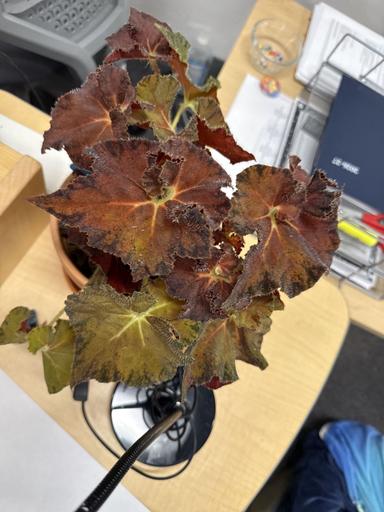 Rex BegoniaBegonia rex-cultorummoderateBrown, crispy patches can appear from direct sun or very dry air. Move it to bright indirect light and raise humidity.
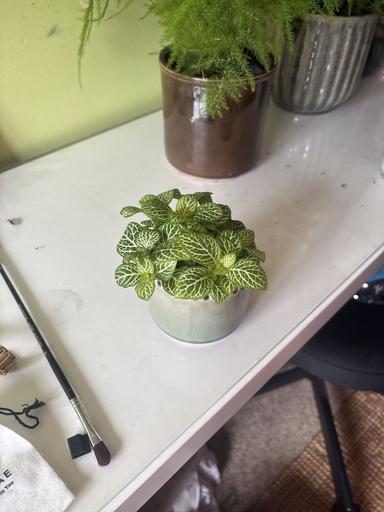 Nerve plantFittonia albivenismildToo much direct sun can bleach or burn the leaves; move it to bright indirect light.
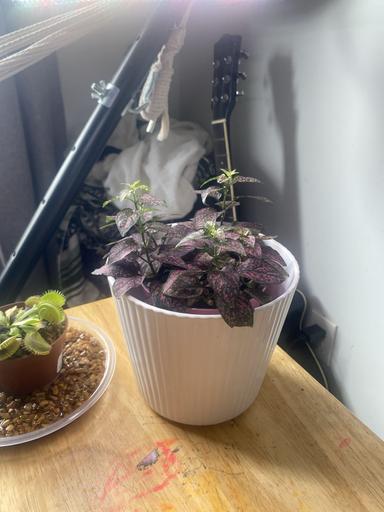 Polka Dot PlantHypoestes phyllostachyamildDirect sun can bleach or burn the leaves; give it filtered light instead.
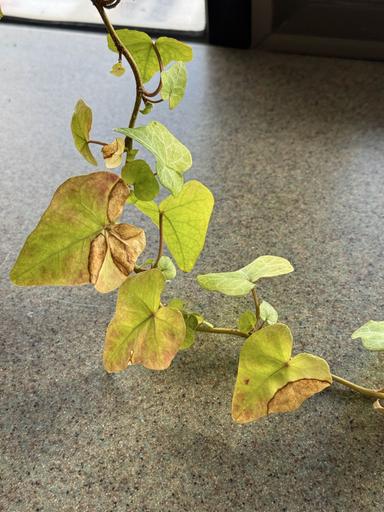 English ivyHedera helixmoderateBrown, crispy edges often come from too much direct sun or dry air; move it to gentler light and keep humidity moderate.
From Gardeno’s plant health checks
Leaf scorch FAQ
Can scorched leaves recover?
No, the burnt tissue is dead and won’t turn green again. As long as the plant has healthy leaves, it will recover and grow new ones.
Should I cut off sunburnt leaves?
Only once they’re mostly brown. A partly scorched leaf still makes food for the plant.
Is it sunburn or underwatering?
Sunburn appears on the leaves facing the light, often as pale patches in the middle of the leaf. Underwatering browns tips and edges all over the plant and comes with dry soil and drooping.
Can succulents get sunburnt?
Yes, especially when moved outdoors or into a sunnier window suddenly. Increase their sun gradually over a week or two.
This guide is for general plant care. Per-plant advice is AI-generated from Gardeno scans and may be inaccurate; check with an expert for valuable plants.
