Leaf drop: why plants shed leaves and how to stop it
A plant dropping leaves is alarming, but it’s usually a stress response rather than a death sentence. Find the change that triggered it and most plants bounce back.
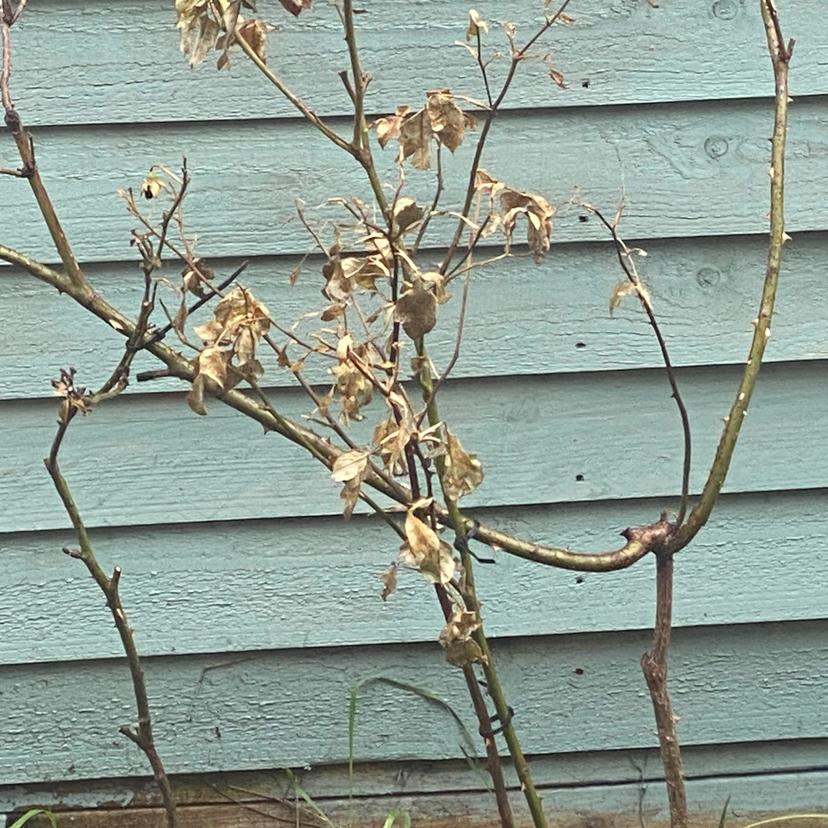 Climbing rose · from a Gardeno health check
The short answerPlants drop leaves when they’re stressed, most often by a change: a move to a new spot, a cold draft, a sudden change in light, or watering that’s too much or too little. Keep the plant somewhere stable, bright and away from drafts, check the soil before watering, and avoid moving or repotting it while it recovers. New growth usually follows within a few weeks.
Reading the leaf drop
When and how the leaves fall helps narrow the cause.
What causes leaf drop
A move. Plants adjust to their light. Moving to a new room, or bringing a new plant home, often triggers a drop. Figs are famous for it.
Cold drafts and temperature swings. Open doors, cold windows in winter and air-conditioning blasts all shock tropical plants.
Watering problems. Both soggy and bone-dry soil make a plant shed leaves to save itself.
Too little light. A plant can’t support leaves it can’t feed, so it lets the oldest ones go.
Repotting. Disturbed roots can cause a short spell of leaf drop.
How to stop leaf drop, step by step
- Work out what changedThink back over the last few weeks: a move, a new heater, a cold snap, a change in watering?
- Check the soilWater if it’s dry a few centimetres down. If it’s wet, hold off and check the roots for rot.
- Find a stable, bright spotBright, indirect light, away from drafts, radiators and air-conditioning, and leave it there.
- Don’t move or repot it againEvery change restarts the adjustment. Let it settle.
- Hold off on fertiliserFeed only once it’s growing new leaves.
Expect a few more leaves to fall over the next week or two. New buds and leaves are the sign it’s settled.
How to prevent leaf drop
Plants prone to leaf drop
14 plants in our encyclopedia list leaf drop as a common problem. Here they are, with the advice for each; photos marked “Health check” show the problem itself.
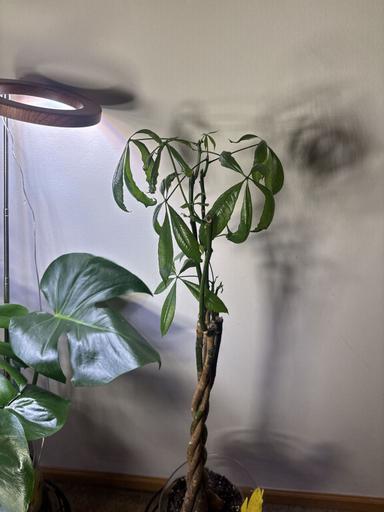 Health checkMoney TreePachira aquaticamoderateCan happen from sudden changes in light, temperature, or watering; move it gradually and keep conditions stable.
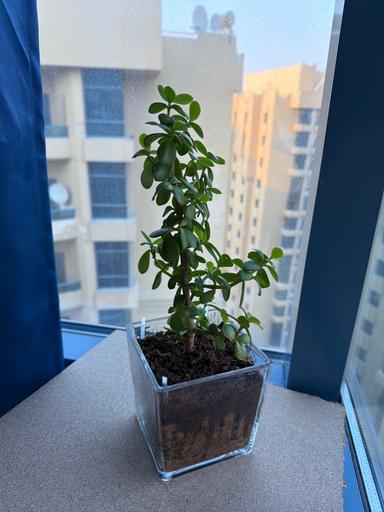 Jade PlantCrassula ovatamoderateOften happens from sudden temperature changes, low light, or inconsistent watering; move it to stable bright light and water less often.
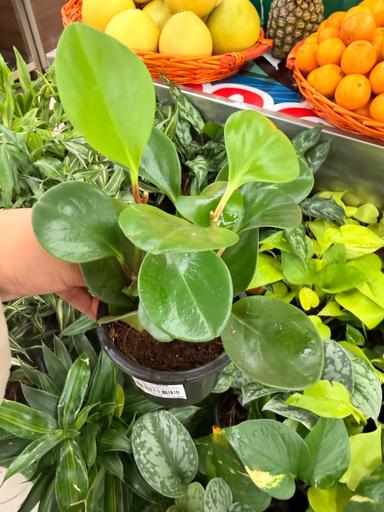 Baby Rubber PlantPeperomia obtusifoliamildCan happen from sudden temperature changes, cold drafts, or inconsistent watering; keep conditions steady and avoid soggy soil.
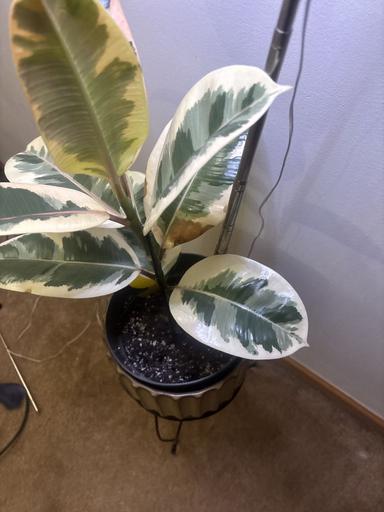 Variegated Rubber PlantFicus elastica 'Tineke'moderateOften caused by sudden changes in light, temperature, or watering; move it gradually and keep care consistent.
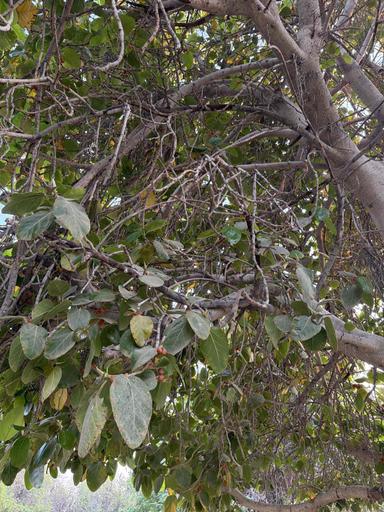 Ficus microcarpaFicus microcarpamoderateSudden leaf drop is often caused by environmental stress like changes in light, temperature, or watering. Ensure consistent care.
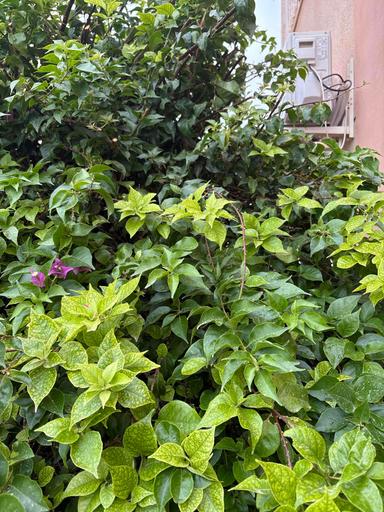 BougainvilleaBougainvillea glabramoderateOften caused by low light, overwatering, or sudden temperature changes; move it to a sunnier, warmer spot and water less often.
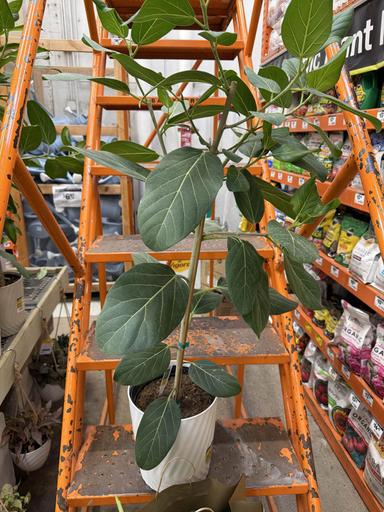 Audrey ficusFicus benghalensismoderateOften caused by sudden changes in light, drafts, or inconsistent watering; move it gradually and keep conditions steady.
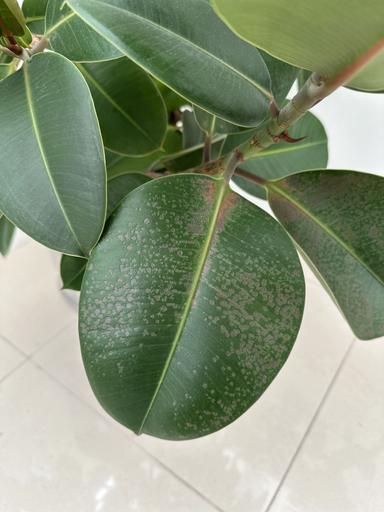 Rubber PlantFicus elasticamoderateUsually triggered by sudden changes in light, temperature, or watering; move it gradually and avoid overwatering.
From Gardeno’s plant health checks
Leaf drop FAQ
Will the leaves grow back?
Not in the same places, but a healthy plant will grow new leaves from its stems and tips once it’s settled.
Why is my new plant losing leaves?
It’s adjusting to your home, which has less light and different humidity from the nursery. Give it a bright spot away from drafts and don’t move it around.
Is leaf drop normal in winter?
A little, yes. Shorter days and dry, heated air make many plants shed a few leaves. Heavy leaf drop usually points to a cold draft or overwatering.
Why does my fiddle leaf fig drop leaves?
Figs are especially sensitive to moves, drafts and watering changes. Keep it in one bright spot and water only when the top few centimetres are dry.
This guide is for general plant care. Per-plant advice is AI-generated from Gardeno scans and may be inaccurate; check with an expert for valuable plants.
