 Easy care
 Shared by a Gardeno user
Japanese Stonecrop
Sedum makinoi
Also known as: Makino's Stonecrop, Stonecrop
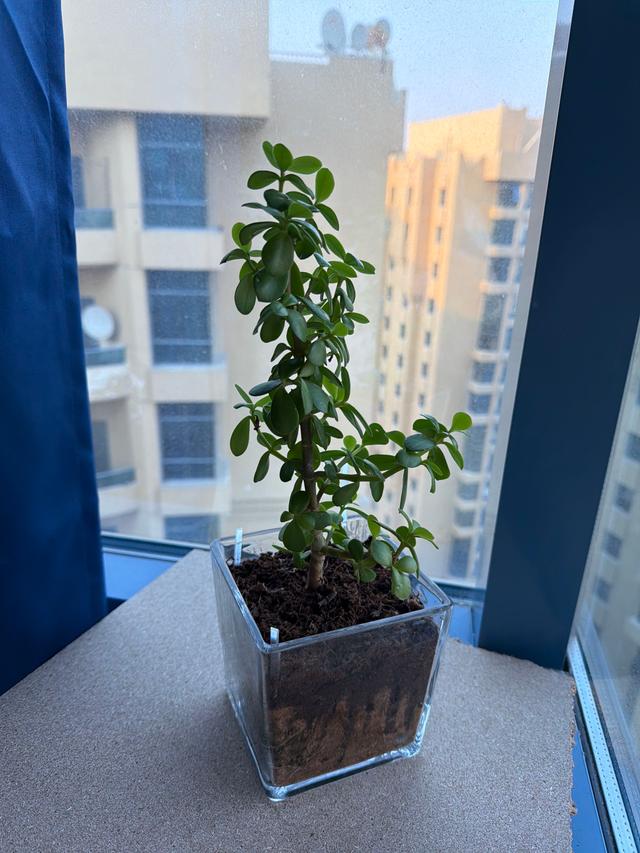
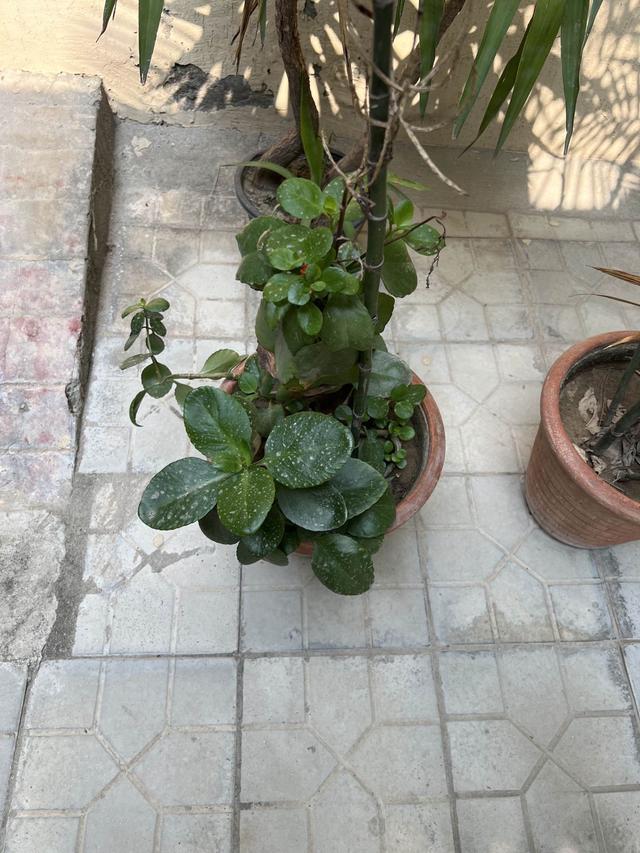
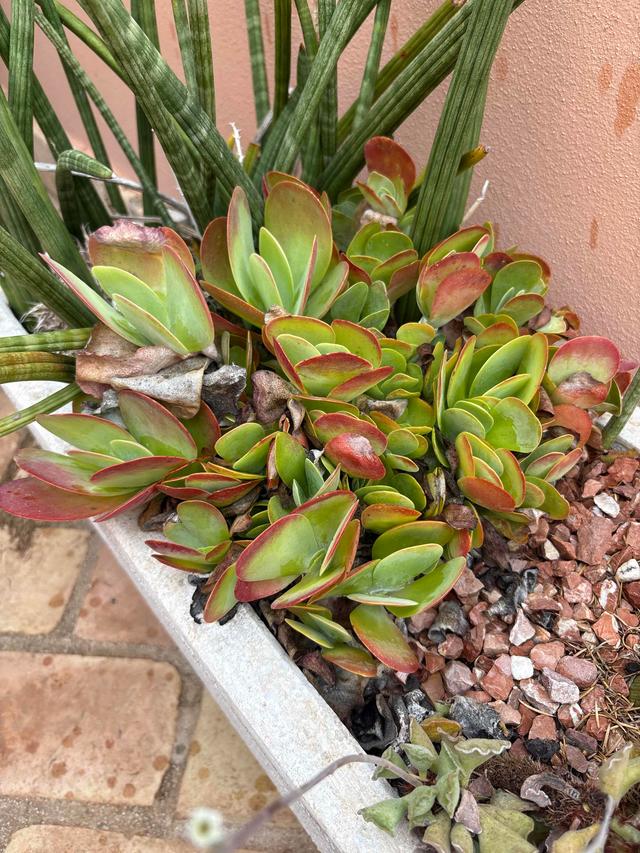
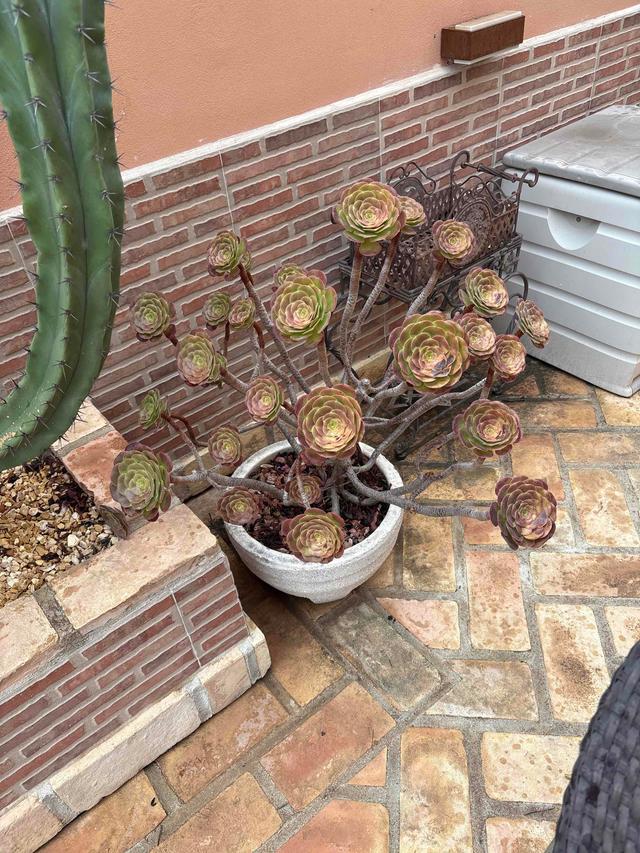
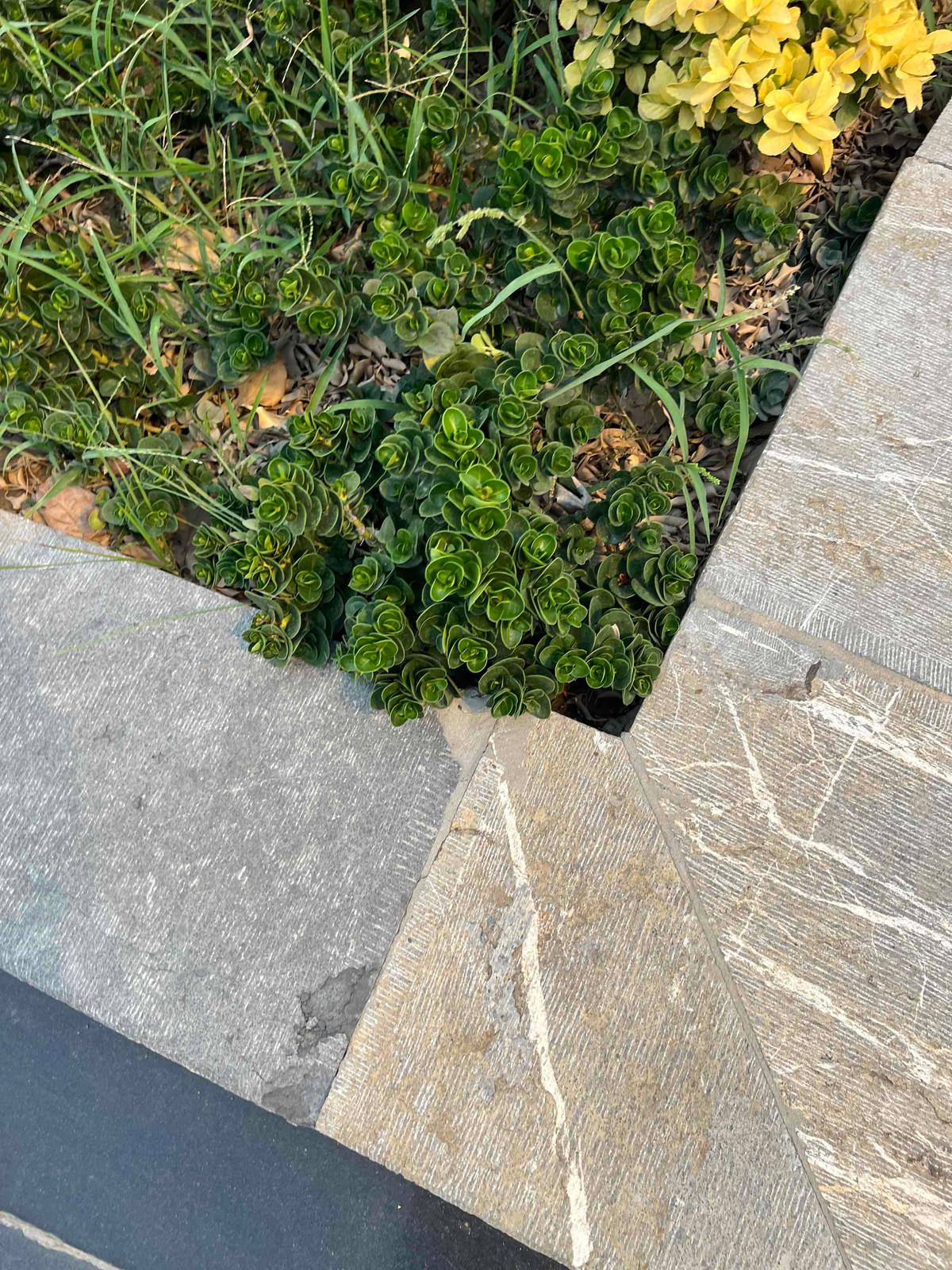
Sedum makinoi is a low-growing succulent perennial forming a dense mat of small, rounded, bright green leaves. It's often used as a groundcover or in rock gardens due to its spreading habit and attractive foliage.
Safety
Toxicity information is AI-generated and may be inaccurate. Always check with a vet or doctor before relying on it around children or pets.
Perks
Basic info
- Family
- Crassulaceae
- Genus
- Sedum
- Plant type
- Succulent, Perennial
- Native region
- Japan
- Difficulty
- Easy
Fun fact
Sedum plants are known for their ability to store water in their leaves, allowing them to thrive in dry conditions and making them highly drought-tolerant.
Care profile
Difficulty
Easy
Toughness
High
Maintenance
Low
Watering
When soil dry
Care tips
- 1
Provide well-draining soil
- 2
Water sparingly, allowing soil to dry
- 3
Protect from harsh afternoon sun
Common problems
Root Rot Moderate
Overwatering can lead to root rot, causing the plant to yellow and decline. Ensure well-draining soil and allow it to dry out between waterings.
Read our root rot guide →Pests (Aphids/Mealybugs) Mild
Occasionally, pests like aphids or mealybugs can infest the plant. Treat with insecticidal soap or neem oil if an infestation is observed.
Read our aphids guide →Leggy Growth Mild
Insufficient light can cause the plant to stretch and become leggy. Move to a brighter location or prune to encourage bushier growth.
Read our leggy growth guide →History
Sedum makinoi is native to Japan, where it grows in rocky areas and on forest floors. It has been cultivated for centuries for its ornamental value and ease of care, becoming a popular choice for rock gardens and succulent collections worldwide.
Popular questions
How often should I water my Sedum makinoi?
Water your Sedum makinoi thoroughly when the soil is completely dry to the touch. As a succulent, it's highly drought-tolerant and susceptible to overwatering, so err on the side of less frequent watering, especially in cooler months.
Why are my Sedum makinoi leaves turning yellow?
Yellowing leaves often indicate overwatering or poor drainage, leading to root rot. Check the soil moisture and ensure the plant is in well-draining soil. It could also be a sign of insufficient light, causing the plant to weaken.
How can I propagate Sedum makinoi?
Sedum makinoi is easily propagated from stem cuttings or by division. Simply snip a healthy stem, allow the cut end to callus for a day or two, then plant it in well-draining soil. It will root readily, especially in warm conditions.