 Easy care
 Shared by a Gardeno user
Flapjack plant
Kalanchoe luciae
Also known as: Paddle Plant, Pig's Ear, Flapjacks
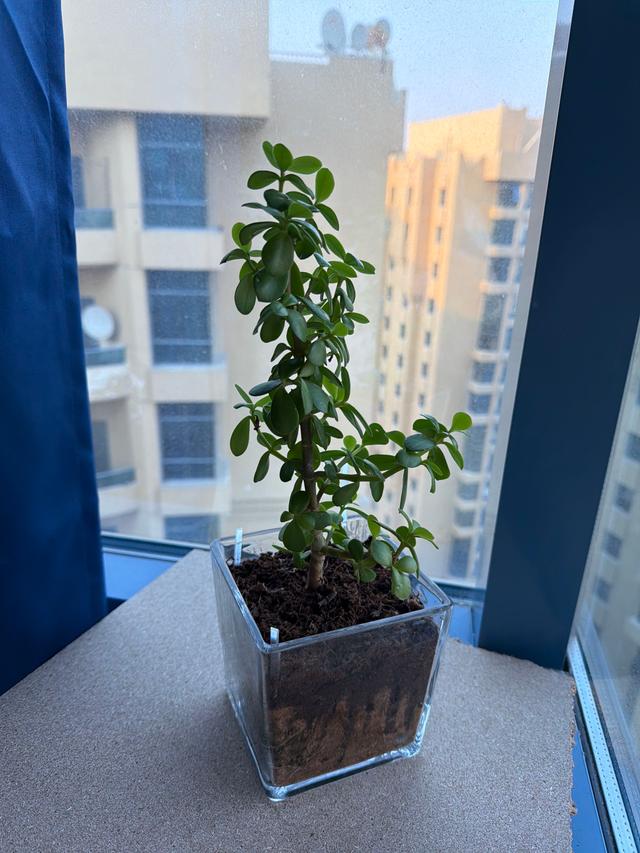
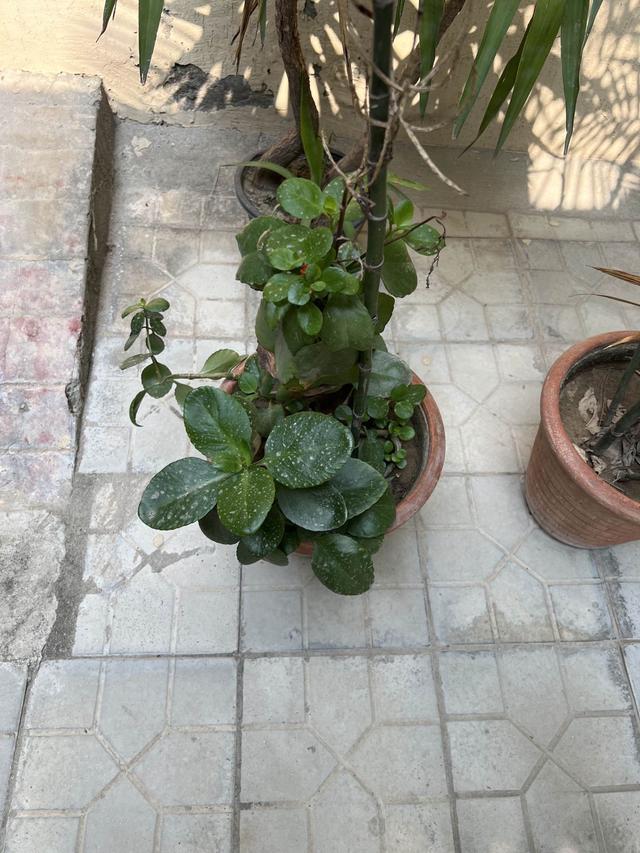
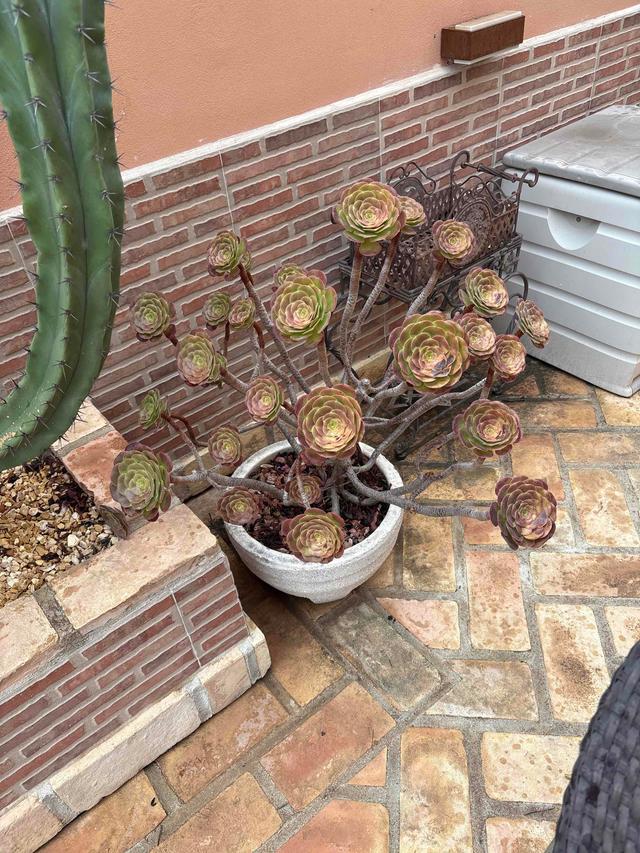
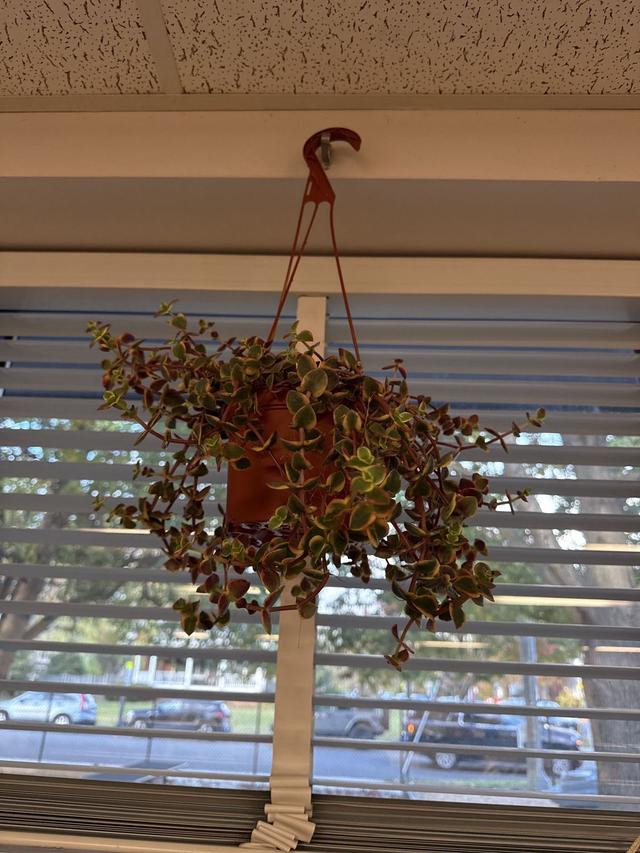
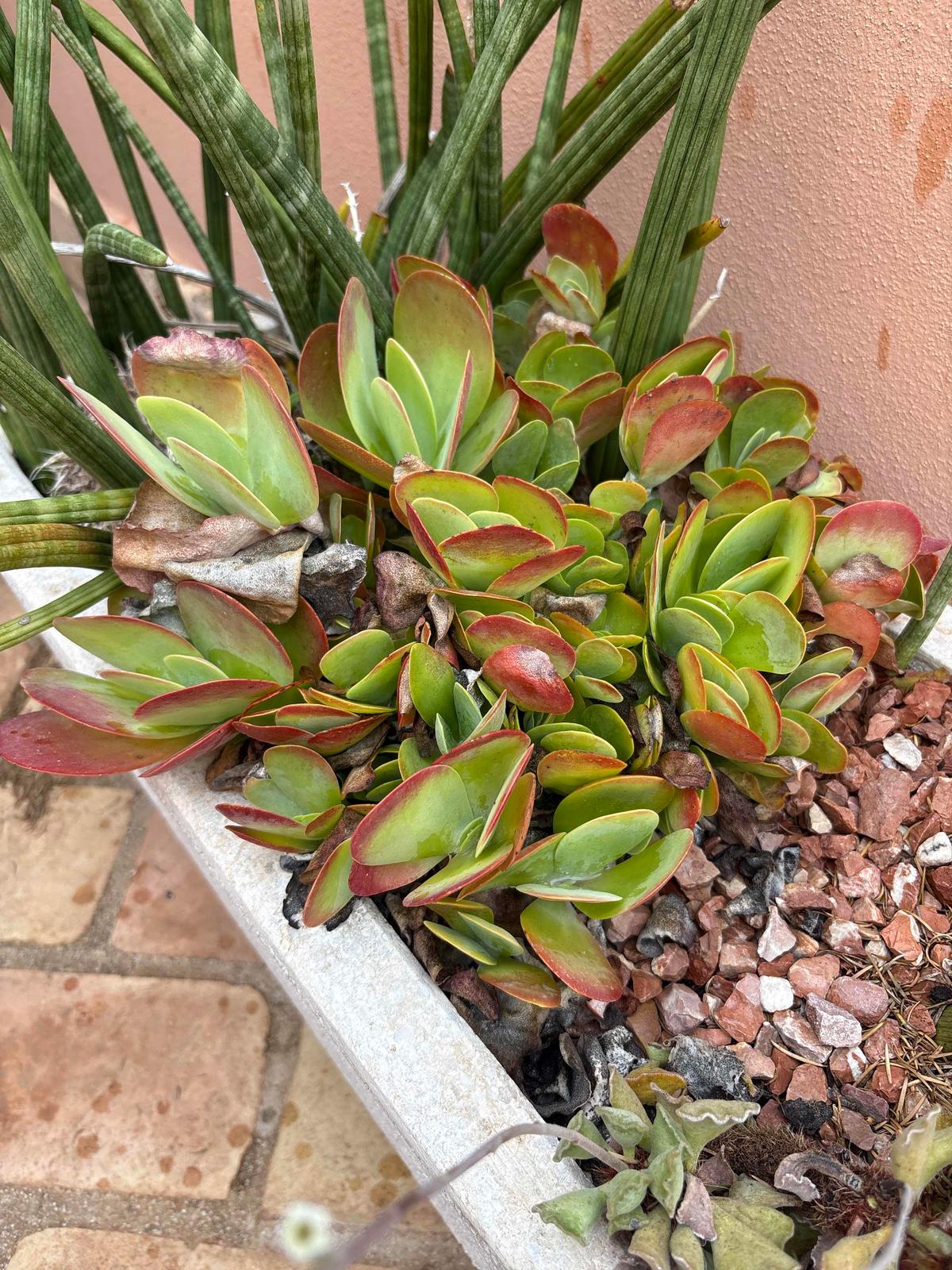
This is a colorful succulent with thick, paddle-shaped leaves that turn red along the edges and tips in bright light or cooler weather. It grows in compact rosettes and is often planted in groups for a striking, architectural look.
Safety
Toxicity information is AI-generated and may be inaccurate. Always check with a vet or doctor before relying on it around children or pets.
Perks
Basic info
- Family
- Crassulaceae
- Genus
- Kalanchoe
- Plant type
- Succulent
- Native region
- South Africa
- Difficulty
- Easy
Fun fact
Its leaf color can intensify dramatically when exposed to strong sun or stress from cooler temperatures.
Care profile
Difficulty
Easy
Toughness
High
Maintenance
Low
Watering
Every 2-3 wks
Care tips
- 1
Give lots of light for best color
- 2
Use very fast-draining soil
- 3
Water deeply, then let dry
Common problems
Overwatering Severe
Leaves may become soft, translucent, or drop; let the soil dry fully and reduce watering.
Sun scorch Moderate
Too much intense midday sun can cause brown, bleached patches; acclimate gradually or provide light afternoon shade in extreme heat.
Read our leaf scorch guide →Leaf rot Severe
Poor drainage or trapped moisture can rot the crown and lower leaves; repot into gritty cactus mix and avoid wetting the rosette.
History
Kalanchoe luciae is a South African succulent that became popular worldwide as a landscape and container plant because of its bold color and unusual leaf shape. In warm regions it has long been used in xeriscapes and rock gardens for its ability to thrive with very little water.
Popular questions
How often should I water a flapjack plant?
Water only when the soil has dried out completely, then soak thoroughly and let excess water drain away. In warm bright conditions this may be every 2-3 weeks, and even less often in winter.
Why are my paddle plant leaves turning mushy or brown?
Mushy leaves usually mean overwatering or poor drainage, while brown crispy patches can mean sun scorch. Check that the potting mix is gritty and fast-draining, and move the plant to brighter but less harsh light if the damage is from sun.
How do I propagate Kalanchoe luciae?
The easiest method is by offsets or plantlets that form around the base. You can also remove a healthy leaf or stem cutting, let it callus for a few days, and then place it in dry, well-draining soil until roots form.