 Easy care
 Shared by a Gardeno user
Panda Plant
Kalanchoe tomentosa
Also known as: Chocolate Soldier, Pussy Ears
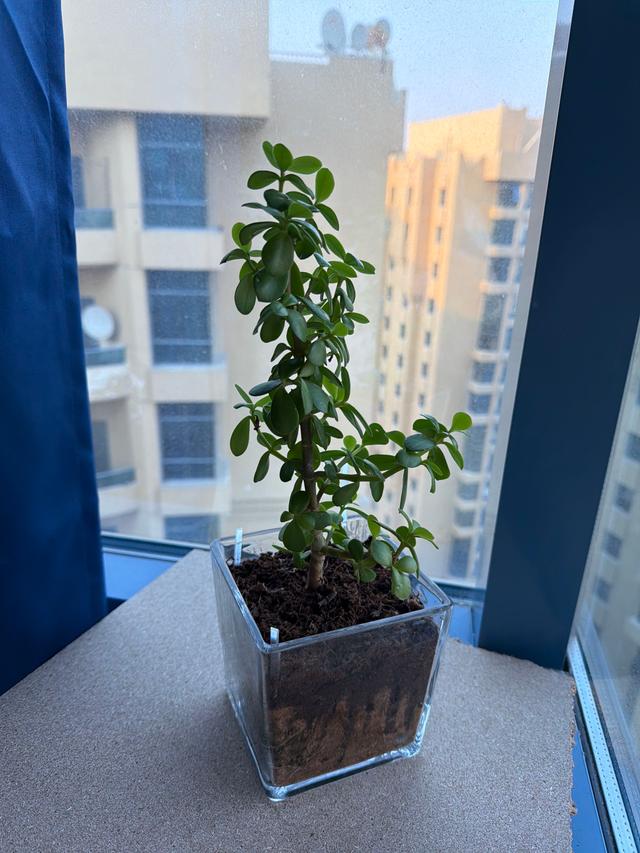
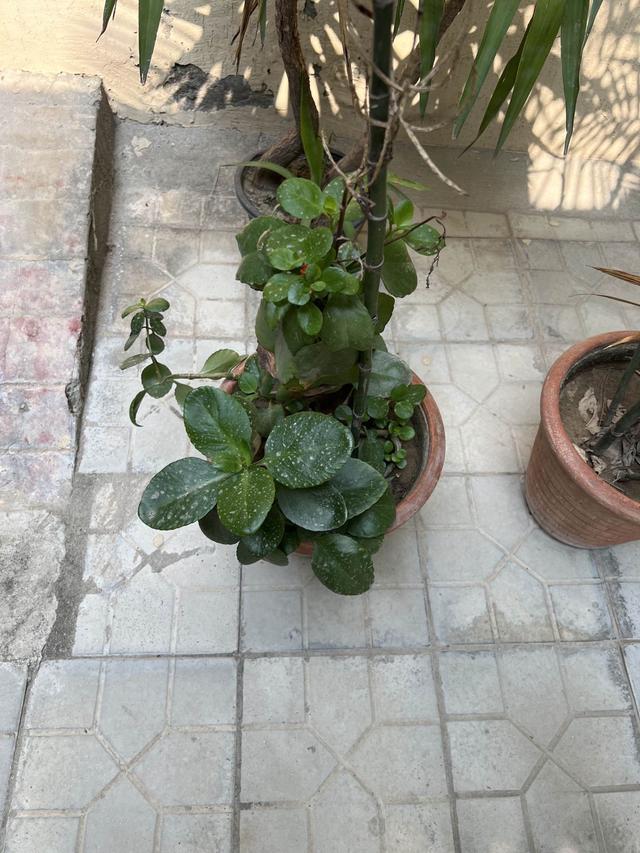
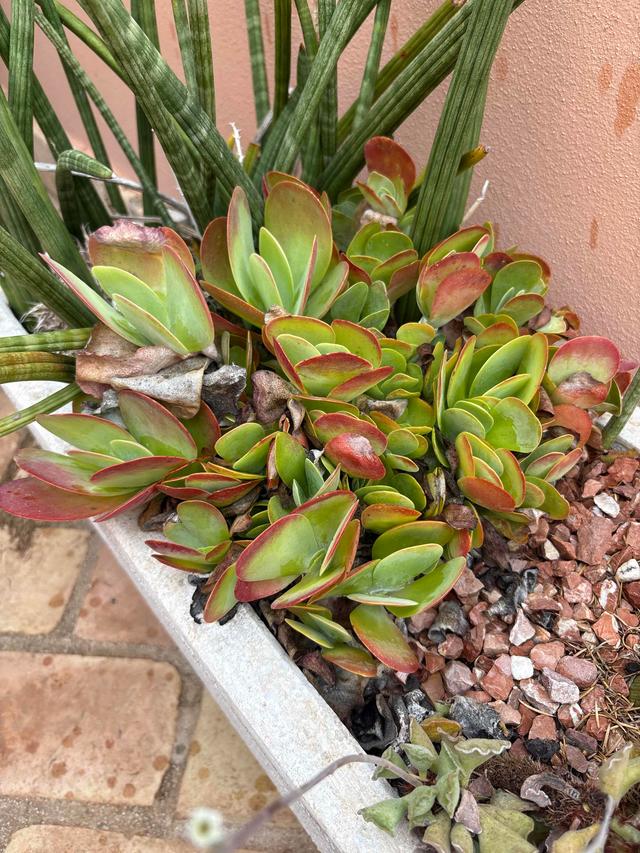
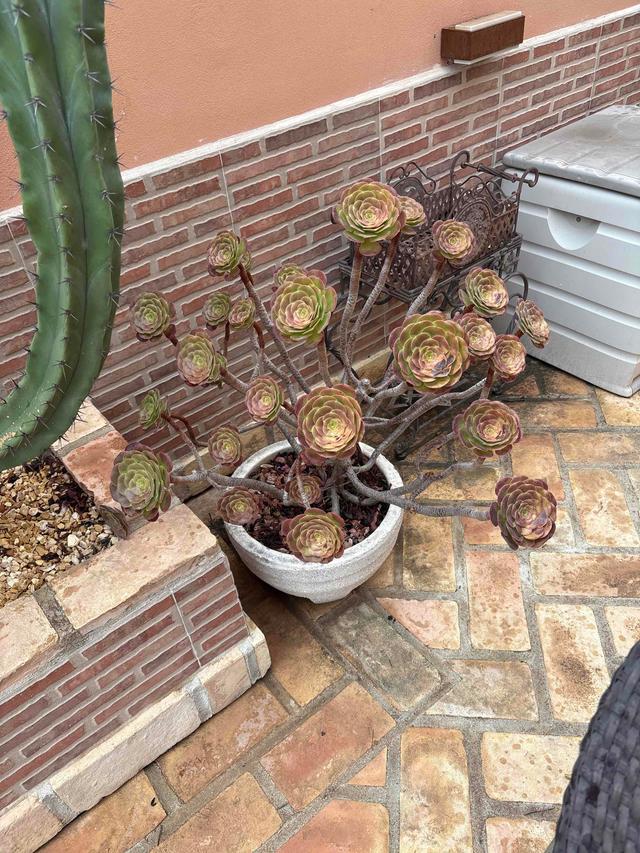
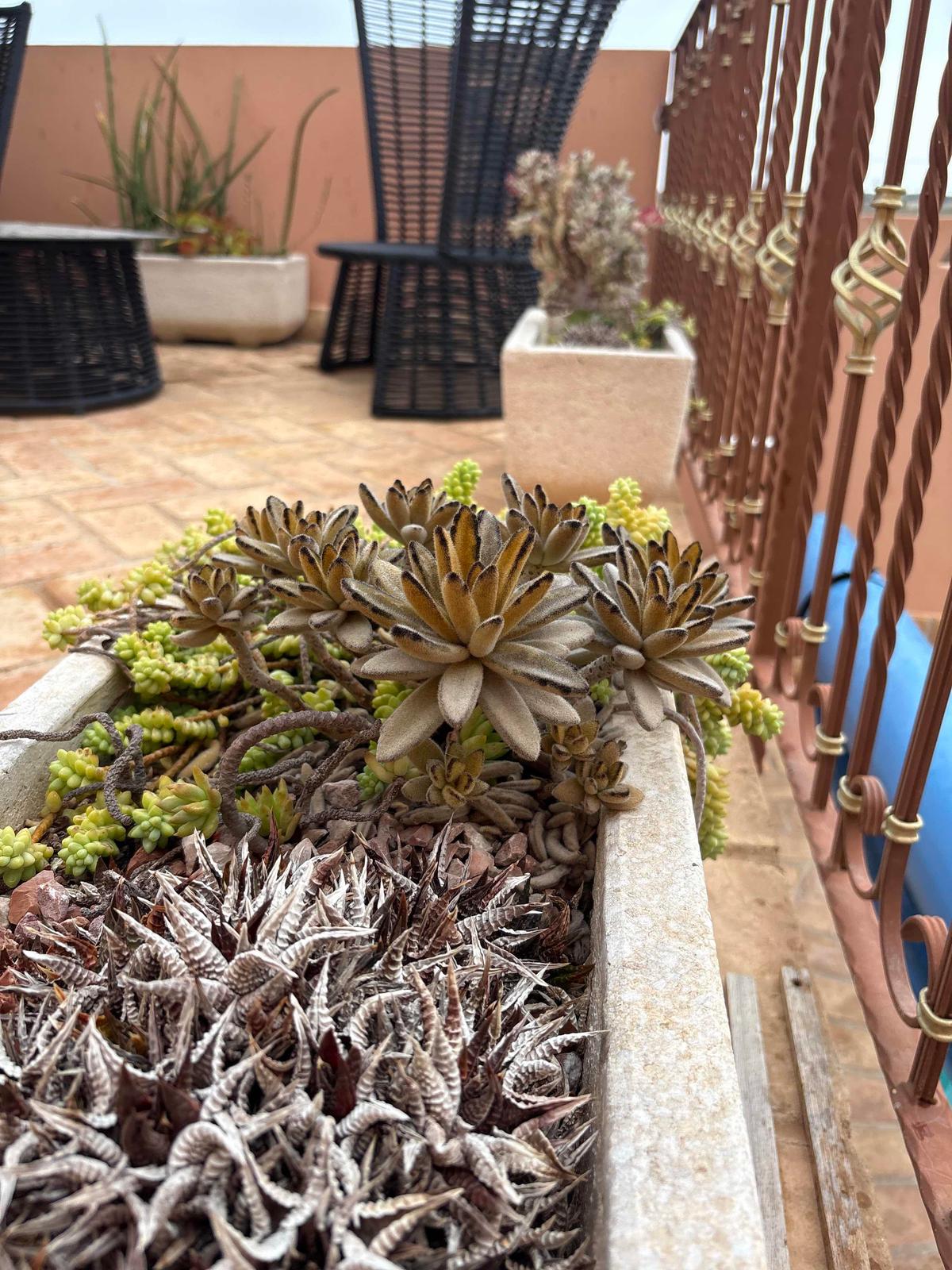
Panda plant is a fuzzy, slow-growing succulent with soft gray-green leaves edged in brown to dark chocolate markings. It forms branching stems and compact rosettes, making it a popular choice for containers and succulent arrangements.
Safety
Toxicity information is AI-generated and may be inaccurate. Always check with a vet or doctor before relying on it around children or pets.
Perks
Basic info
- Family
- Crassulaceae
- Genus
- Kalanchoe
- Plant type
- Succulent
- Native region
- Madagascar
- Difficulty
- Easy
Fun fact
Its velvety leaf hairs help reduce water loss and give the plant its distinctive soft, touchable look.
Care profile
Difficulty
Easy
Toughness
Medium
Maintenance
Low
Watering
Every 2-3 wks
Care tips
- 1
Use a fast-draining cactus mix
- 2
Let soil dry fully before watering
- 3
Give plenty of bright light
Common problems
Overwatering root rot Severe
Leaves may turn mushy or drop if the roots stay wet; water less often and use well-draining soil.
Read our root rot guide →Leggy growth Moderate
Stretched stems mean it needs more light; move it to a brighter spot and rotate the pot regularly.
Read our leggy growth guide →Mealybugs Moderate
White cottony pests can hide in leaf joints; wipe with alcohol or use insecticidal soap.
Read our mealybugs & scale guide →History
Kalanchoe tomentosa is native to Madagascar, where it evolved in warm, dry conditions with intense sun and infrequent rainfall. It became widely popular as a houseplant and collector succulent because of its unusual fuzzy leaves and easy care.
Popular questions
How often should I water a panda plant?
Water only after the potting mix has dried out completely, which is often every 2-3 weeks indoors and even less in cooler months. Always empty excess water so the roots do not sit in moisture.
Why are my panda plant leaves dropping or turning soft?
Soft, dropping leaves usually point to overwatering or poor drainage. Check that the soil dries quickly, reduce watering, and make sure the pot has drainage holes.
How do I propagate panda plant?
It is easiest to propagate from stem or leaf cuttings, letting the cut end callus for a few days before planting in dry succulent mix. Keep the cutting lightly moist only after roots begin to form.