 Easy care
 Shared by a Gardeno user
Linden Tree
Tilia spp.
Also known as: Basswood, Lime Tree
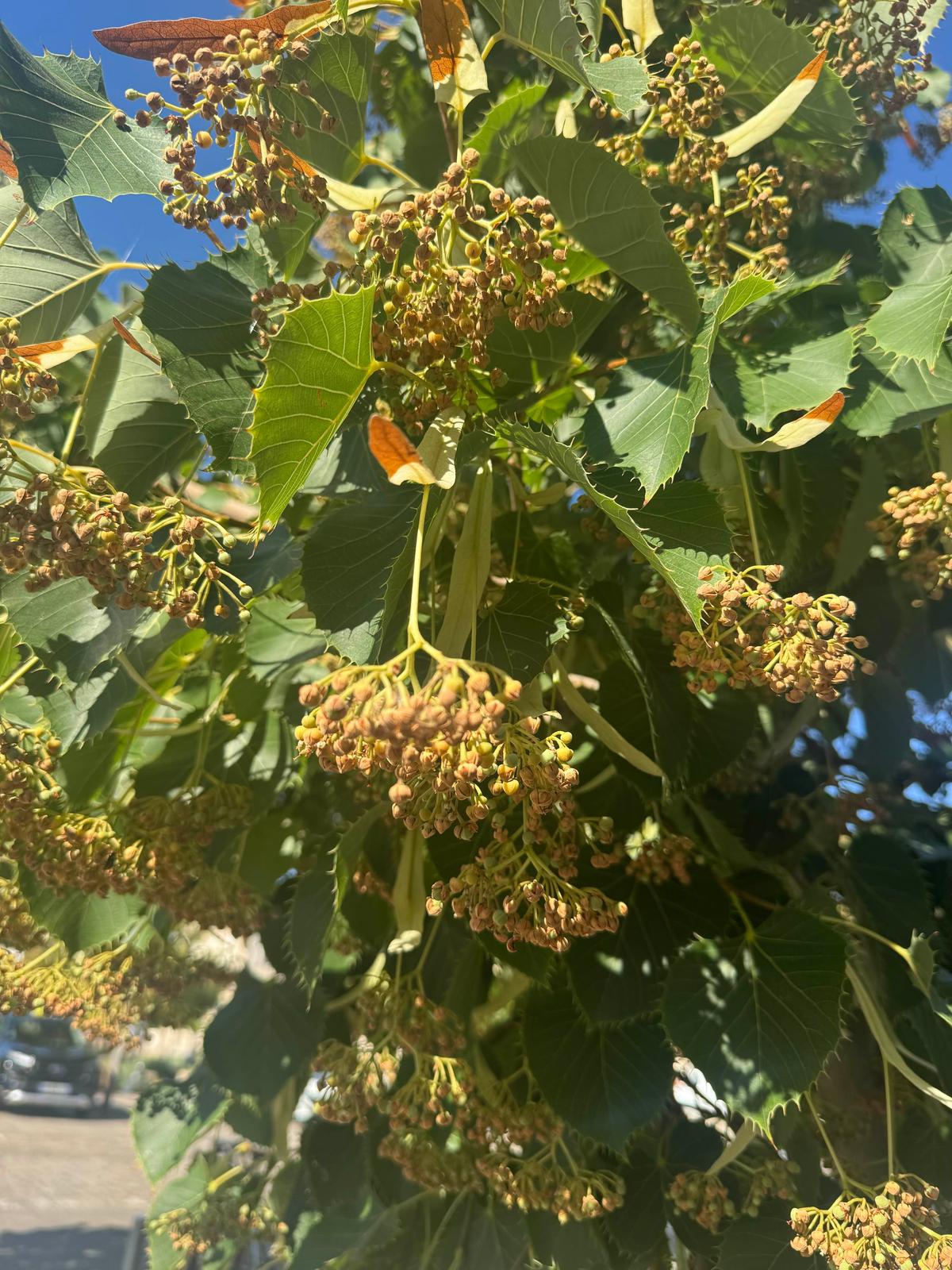
The Linden tree is a deciduous shade tree known for its heart-shaped leaves, fragrant yellow-white flowers, and distinctive winged bracts that aid in seed dispersal. It is a popular choice for urban planting due to its tolerance to various conditions and aesthetic appeal. The tree provides dense shade and a pleasant aroma when in bloom.
Safety
Toxicity information is AI-generated and may be inaccurate. Always check with a vet or doctor before relying on it around children or pets.
Perks
Basic info
- Family
- Malvaceae
- Genus
- Tilia
- Plant type
- Tree
- Native region
- Northern Hemisphere
- Difficulty
- Easy
Fun fact
Linden flowers are highly attractive to bees and produce a prized, light-colored honey known as linden honey, which is sought after for its delicate flavor.
Care profile
Difficulty
Easy
Toughness
High
Maintenance
Low
Watering
Moderate
Care tips
- 1
Plant in well-draining soil
- 2
Water regularly when young
- 3
Prune for shape and health
Common problems
Aphids Mild
Aphids can infest Linden trees, causing sticky honeydew and sooty mold on leaves. Treat with insecticidal soap or horticultural oil, or encourage natural predators.
Read our aphids guide →Verticillium Wilt Severe
This fungal disease causes wilting and dieback of branches, often on one side of the tree. There is no cure; remove affected branches and improve tree vigor.
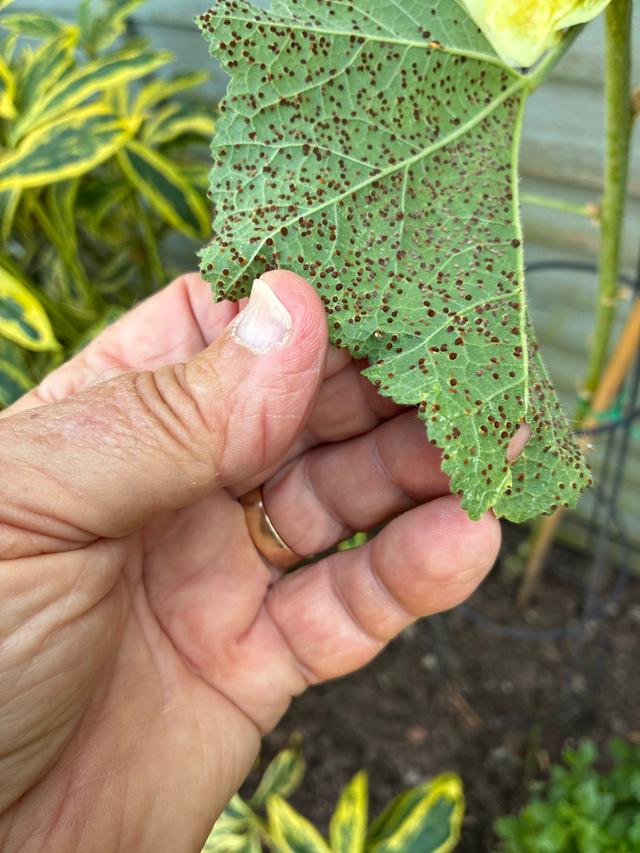
Leaf Spot Mild
Various fungi can cause spots on Linden leaves, usually a cosmetic issue. Improve air circulation and avoid overhead watering to reduce fungal spread.
History
Linden trees have a rich history, revered in European folklore as sacred trees associated with love, fertility, and justice. Their wood has been used for carving and their bark for fiber, while their flowers have been traditionally used in herbal teas for their calming properties. They were often planted in town squares and along avenues.
Popular questions
How often should I water my newly planted Linden tree?
Newly planted Linden trees need consistent moisture to establish a strong root system. Water deeply 2-3 times a week for the first year, ensuring the soil remains moist but not waterlogged. Reduce frequency as the tree matures and becomes more drought-tolerant.
Why are the leaves on my Linden tree turning yellow?
Yellowing leaves on a Linden tree can indicate several issues, including overwatering, nutrient deficiency, or environmental stress. Check soil moisture to ensure it's not waterlogged, consider a soil test to address any nutrient imbalances, and ensure the tree is not experiencing drought stress during dry periods.
Can I propagate a Linden tree from cuttings?
Linden trees can be propagated from softwood cuttings taken in late spring or early summer. Select healthy, non-flowering stems, dip the cut end in rooting hormone, and plant in a well-draining potting mix. Keep the cuttings in a humid environment and consistently moist until roots develop.