 Easy care
 Shared by a Gardeno user
Hollyhock
Alcea rosea
Also known as: Common Hollyhock, Garden Hollyhock
Hollyhocks are classic cottage garden plants known for their tall spikes of large, showy, cup-shaped flowers. They typically bloom in summer, adding vertical interest and a touch of old-fashioned charm to landscapes.
Safety
Toxicity information is AI-generated and may be inaccurate. Always check with a vet or doctor before relying on it around children or pets.
Perks
Basic info
- Family
- Malvaceae
- Genus
- Alcea
- Plant type
- Perennial
- Native region
- Asia
- Difficulty
- Easy
Fun fact
Despite their common name, Hollyhocks are not true 'hocks' (a term for mallow plants) but are closely related to them. They were historically used for medicinal purposes.
Care profile
Difficulty
Easy
Toughness
High
Maintenance
Medium
Watering
Weekly
Care tips
- 1
Plant in well-draining soil
- 2
Provide support for tall stalks
- 3
Deadhead spent blooms for more flowers
Common problems
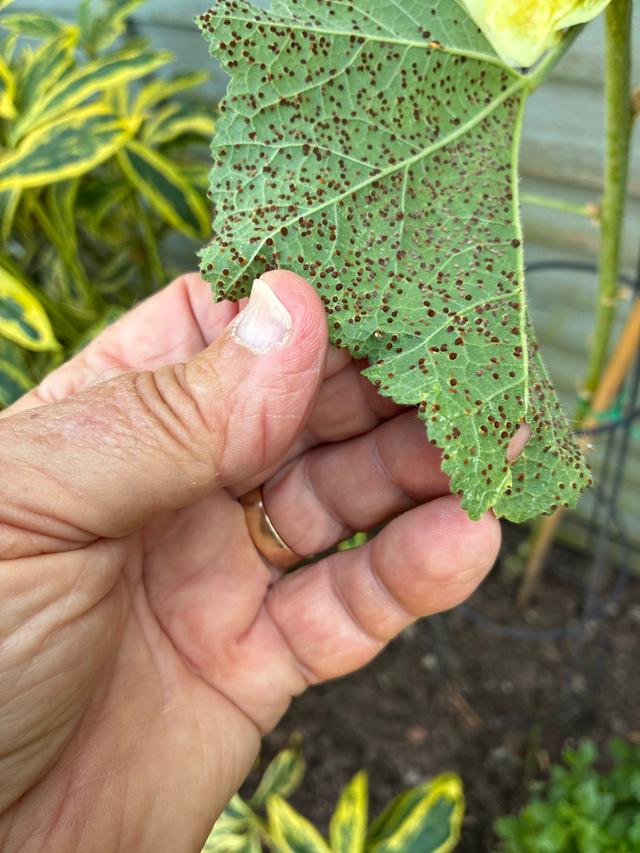
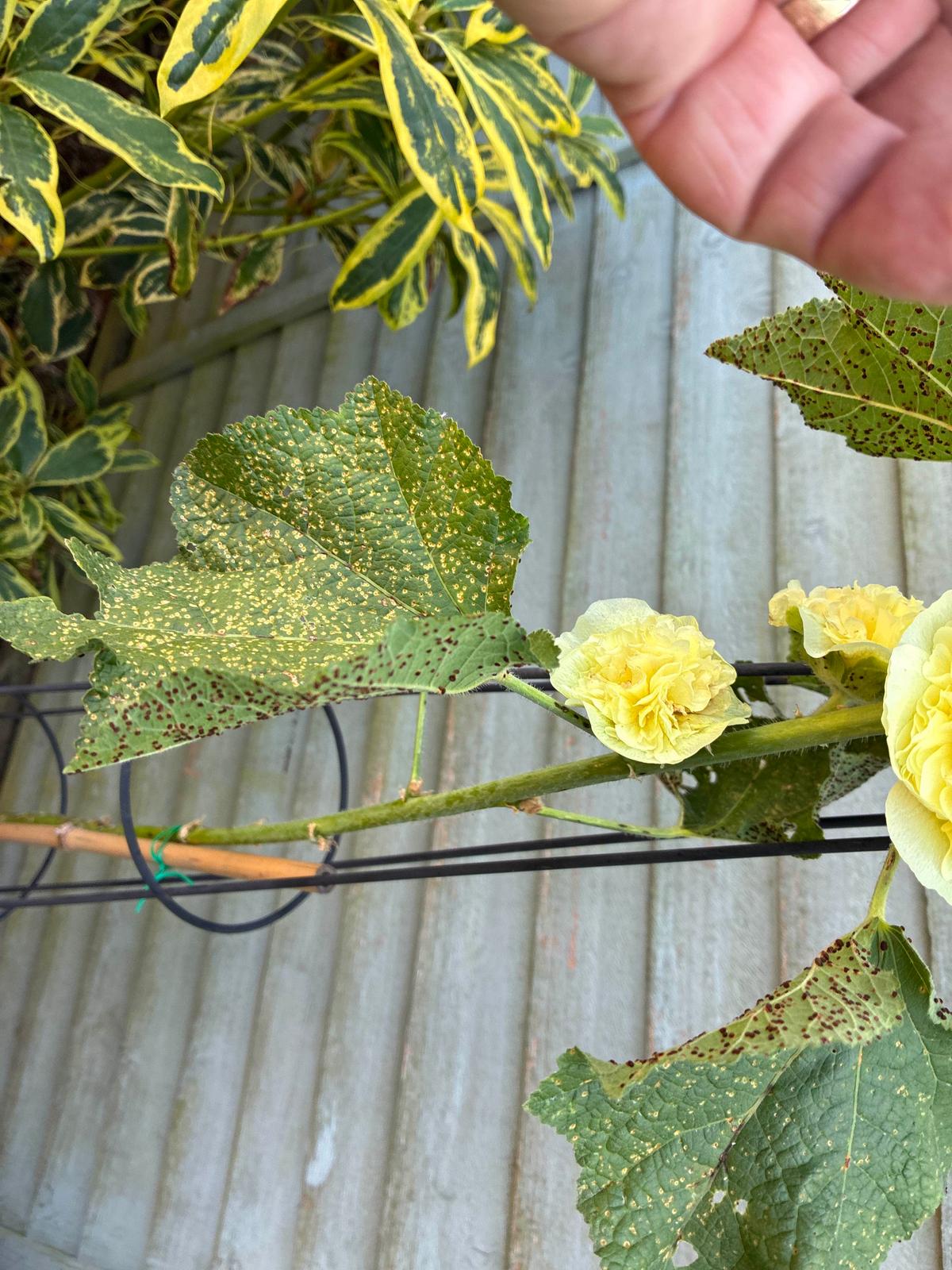
Hollyhock Rust Moderate
Orange-brown pustules on leaves and stems. Remove infected leaves, ensure good air circulation, and consider fungicides.
Aphids Mild
Small insects cluster on new growth. Spray with insecticidal soap or strong water stream.
Read our aphids guide →Powdery Mildew Mild
White powdery spots on leaves. Improve air circulation and use a fungicide if severe.
Read our powdery mildew guide →History
Hollyhocks have a long history, originating in Asia and brought to Europe in the 16th century. They quickly became popular in cottage gardens for their striking height and vibrant blooms, symbolizing ambition and fertility in Victorian flower language.
Popular questions
How often should I water my Hollyhocks?
Hollyhocks prefer consistently moist soil, especially during dry spells and when establishing. Water deeply once a week, or more frequently in hot, dry weather, ensuring the soil drains well to prevent root rot.
Why are my Hollyhock leaves covered in yellow and brown spots?
This is very likely Hollyhock Rust, a common fungal disease. Remove and destroy affected leaves immediately, improve air circulation around the plants, and avoid overhead watering. Fungicides can be used for severe infections.
How can I propagate Hollyhocks?
Hollyhocks are most commonly propagated from seeds, which can be sown directly in the garden in late spring or early summer for blooms the following year. They can also self-seed readily. Division of established clumps is also possible but less common.