 Easy care
 Shared by a Gardeno user
Mexican snowball
Echeveria elegans
Also known as: Mexican gem, Ghost echeveria
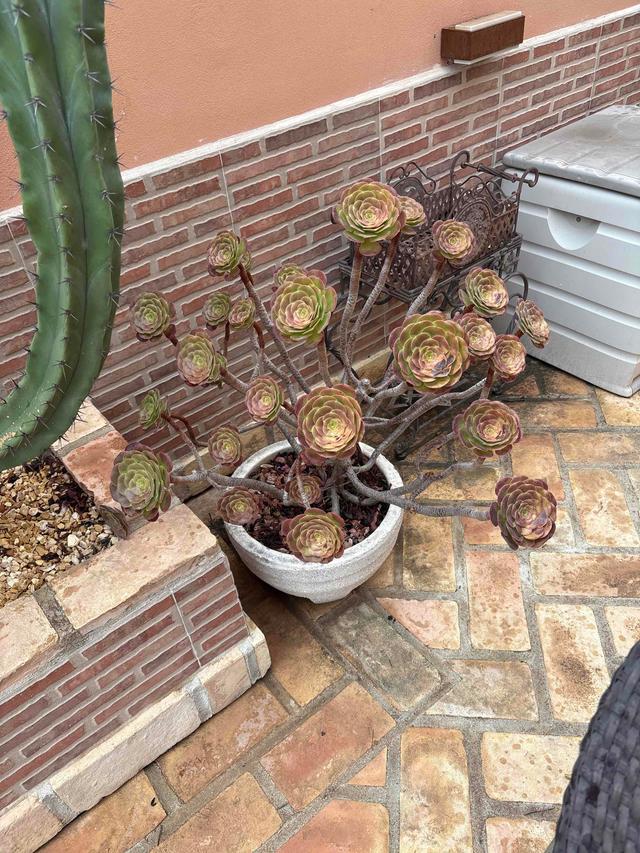
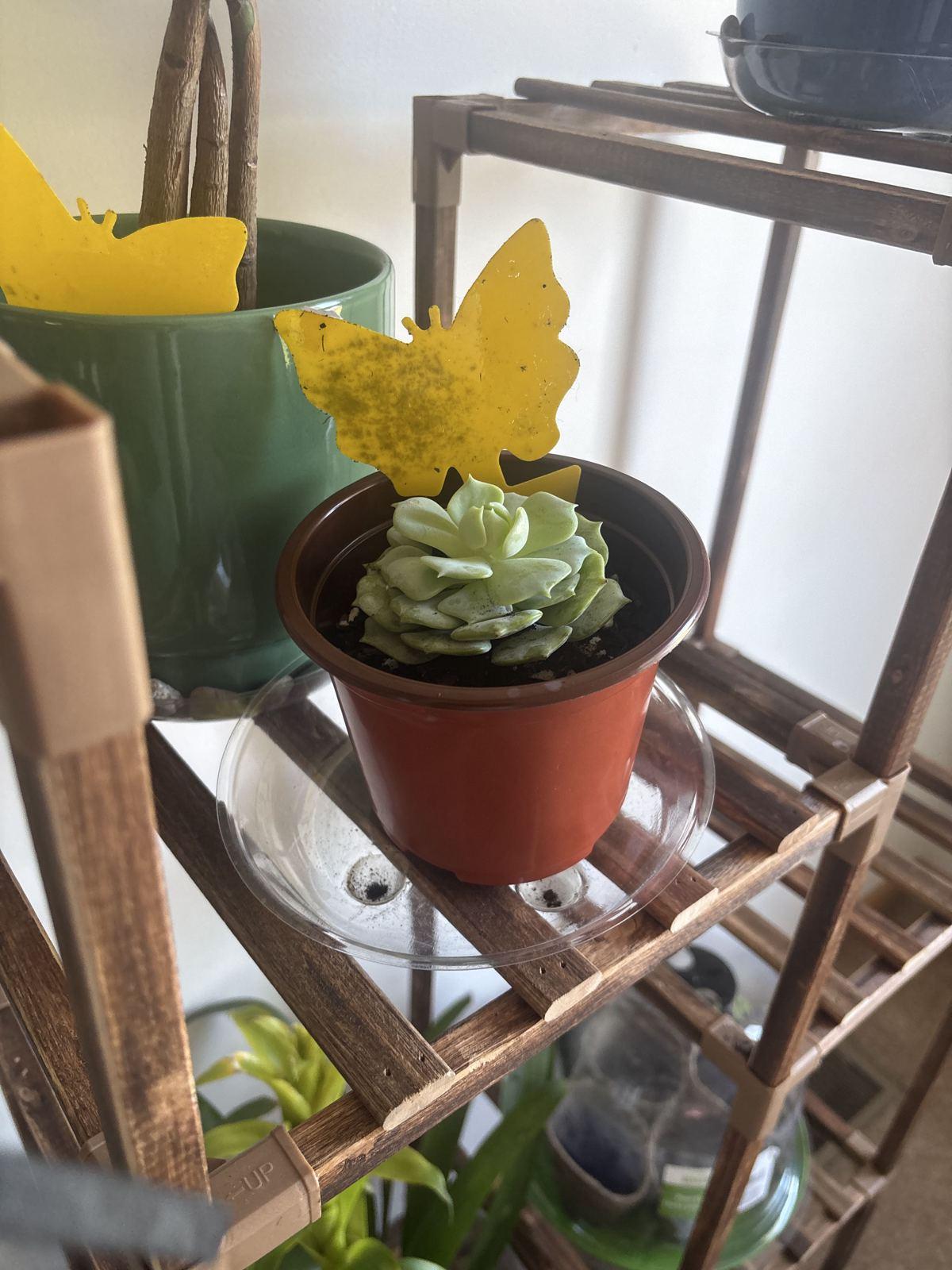
Echeveria elegans is a compact rosette succulent with fleshy, pale green to bluish leaves that often form tight, layered clusters. It’s popular as an indoor plant because it stays small, looks sculptural, and tolerates dry conditions well.
Safety
Toxicity information is AI-generated and may be inaccurate. Always check with a vet or doctor before relying on it around children or pets.
Perks
Basic info
- Family
- Crassulaceae
- Genus
- Echeveria
- Plant type
- Succulent
- Native region
- Mexico
- Difficulty
- Easy
Fun fact
It can produce delicate pink or coral flowers on tall stalks when it is happy and well-lit.
Care profile
Difficulty
Easy
Toughness
Medium
Maintenance
Low
Watering
Every 2-3 wks
Care tips
- 1
Use a fast-draining cactus or succulent mix
- 2
Water only when soil is fully dry
- 3
Give several hours of bright light daily
Common problems
Overwatering root rot Severe
Leaves may soften, yellow, or drop if the roots stay wet too long; let soil dry completely and repot into a gritty mix if needed.
Read our root rot guide →Stretching from low light Moderate
If it gets too little light, the rosette can become leggy and open; move it to brighter light and rotate the pot regularly.
Read our leggy growth guide →Mealybugs Moderate
White cottony pests can hide in leaf crevices; remove them with alcohol on a cotton swab and isolate the plant if needed.
Read our mealybugs & scale guide →History
Echeverias are native to Mexico and parts of Central America, where many species evolved in dry, rocky habitats. They became widely popular in ornamental horticulture for their symmetrical rosettes and their ability to thrive indoors with bright light and infrequent watering.
Popular questions
How often should I water my Mexican snowball?
Water thoroughly only after the potting mix has dried out completely, which is often every 2 to 3 weeks indoors and less often in winter. It’s better to underwater slightly than to keep the soil damp, because this succulent is very prone to rot.
Why are the leaves on my echeveria turning mushy or yellow?
Mushy or yellowing leaves usually mean the plant is getting too much water or the pot is not draining well. Remove damaged leaves, pause watering, and make sure the container has drainage holes and a gritty succulent mix.
Can I propagate this plant from leaves or offsets?
Yes, echeverias can be propagated from healthy leaves or from offsets, though offsets are usually faster and more reliable. Let any cut surfaces callus for a day or two before placing them on dry succulent soil.