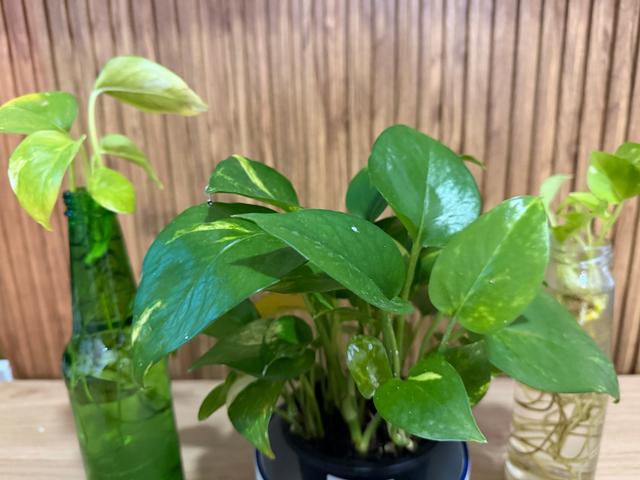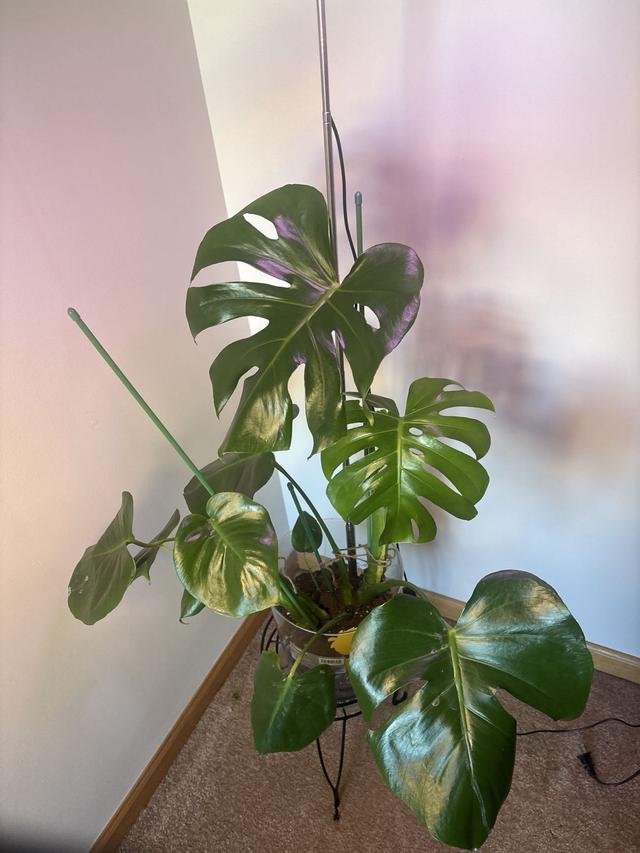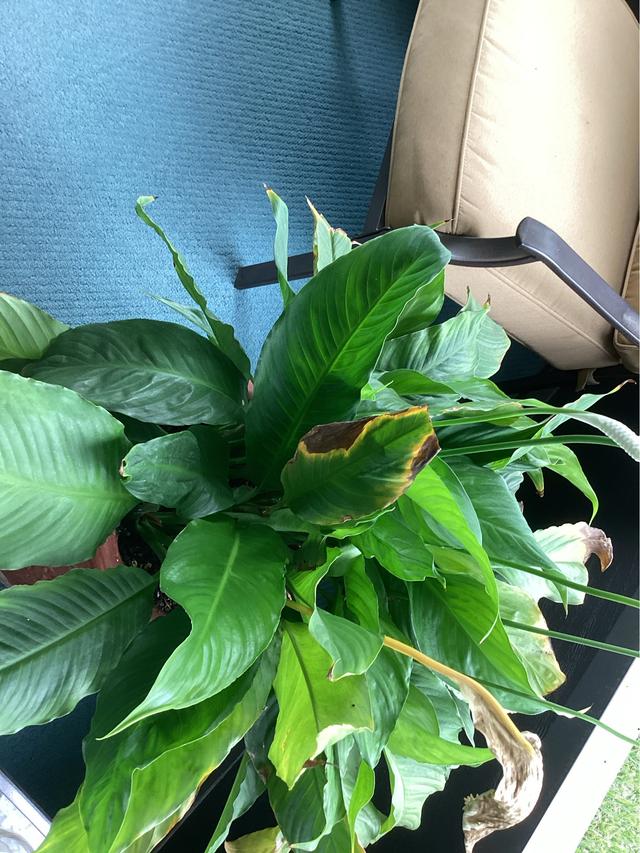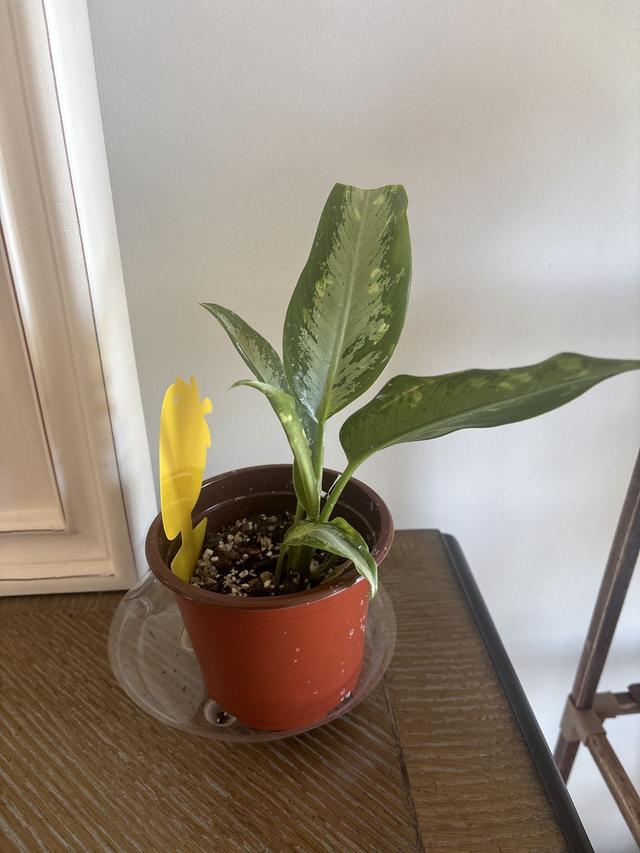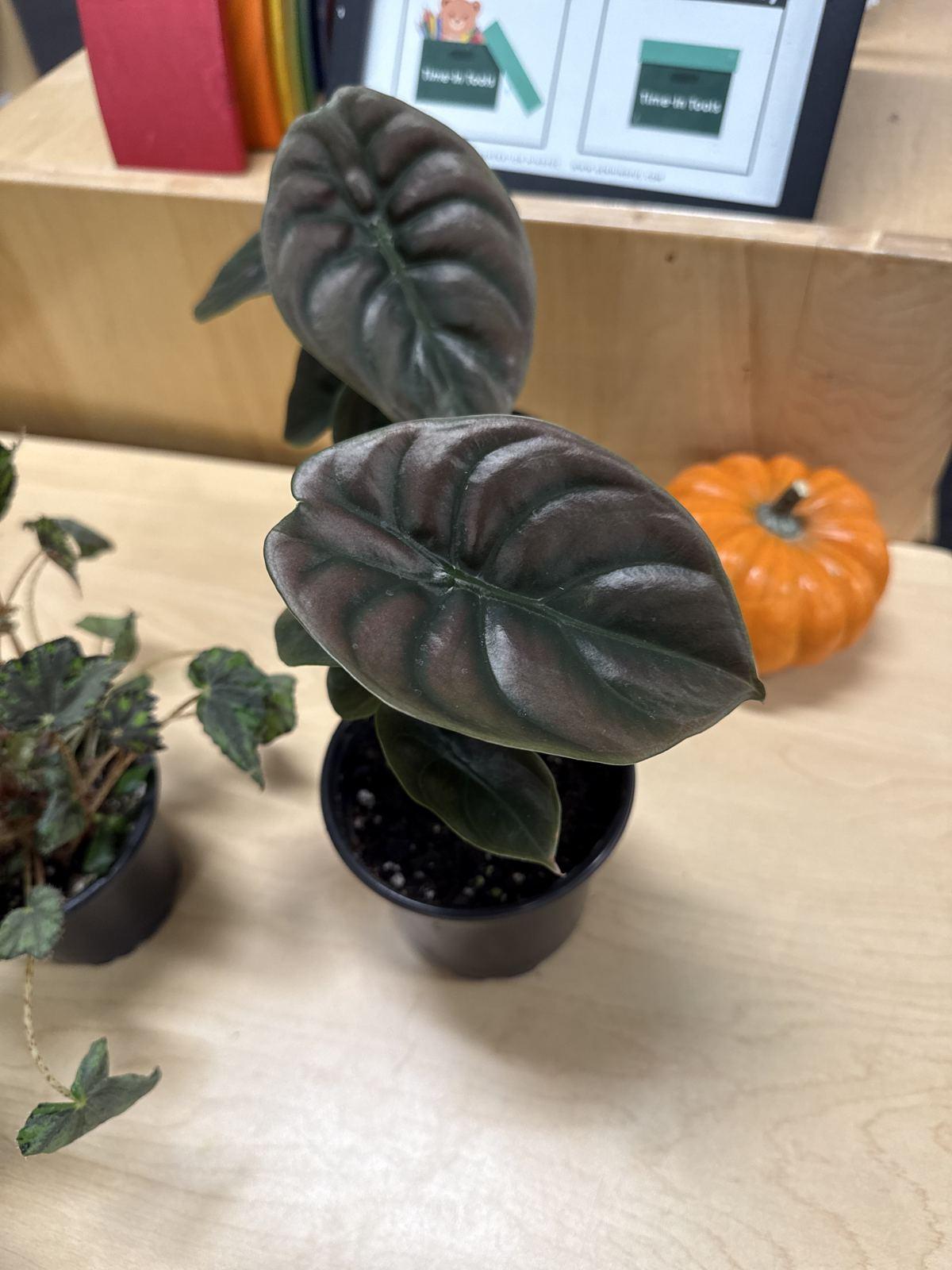
 Shared by a Gardeno user
Black Velvet Alocasia
Alocasia reginula
Also known as: Alocasia reginula, Little Queen, Black Velvet Elephant Ear
Black Velvet Alocasia is a compact tropical plant known for its deep dark, velvety leaves and striking silver-green veining. The thick, textured foliage gives it a dramatic look that makes it a favorite as a statement houseplant.
Safety
Toxicity information is AI-generated and may be inaccurate. Always check with a vet or doctor before relying on it around children or pets.
Perks
Basic info
- Family
- Araceae
- Genus
- Alocasia
- Plant type
- Tropical perennial
- Native region
- Borneo
- Difficulty
- Moderate
Fun fact
Its velvety leaves can look almost black under the right light, making it one of the most distinctive alocasias.
Care profile
Difficulty
Moderate
Toughness
Low
Maintenance
Medium
Watering
Every 1-2 wks
Care tips
- 1
Keep soil lightly moist, not soggy
- 2
Use a chunky, well-draining mix
- 3
Maintain high humidity
Common problems
Root rot Severe
Caused by overwatering or poor drainage; let the soil dry slightly between waterings and use a fast-draining potting mix.
Read our root rot guide →Spider mites Moderate
Dry indoor air can attract spider mites; increase humidity and rinse or treat the leaves promptly.
Read our spider mites guide →Yellowing leaves Moderate
Often from too much water or insufficient light; adjust watering and move to brighter indirect light.
Read our yellow leaves guide →History
Alocasia reginula is native to the rainforests of Borneo, where it grows in warm, humid understory conditions. It became popular in the houseplant trade for its unusually dark, velvety leaves and compact growth habit, earning it a place among prized aroids.
Popular questions
How often should I water a Black Velvet Alocasia?
Water when the top inch of soil feels dry, then soak thoroughly and let excess drain away. It prefers consistent moisture but is very sensitive to sitting in wet soil, so smaller, less frequent waterings are better than keeping it constantly damp.
Why are my Black Velvet Alocasia leaves turning yellow or drooping?
Yellowing and drooping are usually caused by overwatering, low humidity, or too little light. Check the roots and soil first, then move the plant to brighter indirect light and adjust watering so the mix dries slightly between waterings.
How do I propagate Black Velvet Alocasia?
The easiest way is by dividing offsets or corms when repotting. Keep each division warm and humid in a lightly moist, airy mix, and be patient because new growth can take time to emerge.