 Easy care
 Shared by a Gardeno user
Spineless Yucca
Yucca gigantea
Also known as: Yucca cane, Spineless yucca, Stick yucca
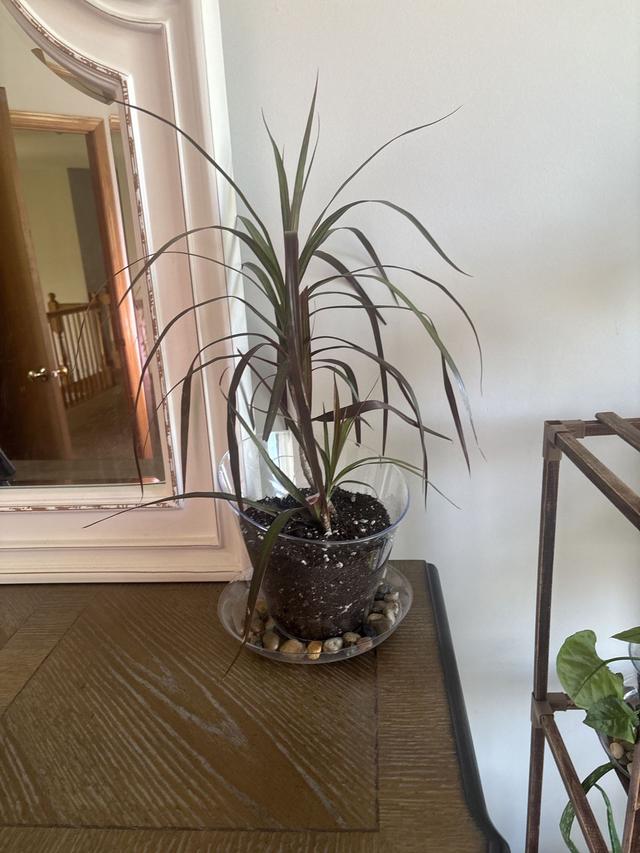
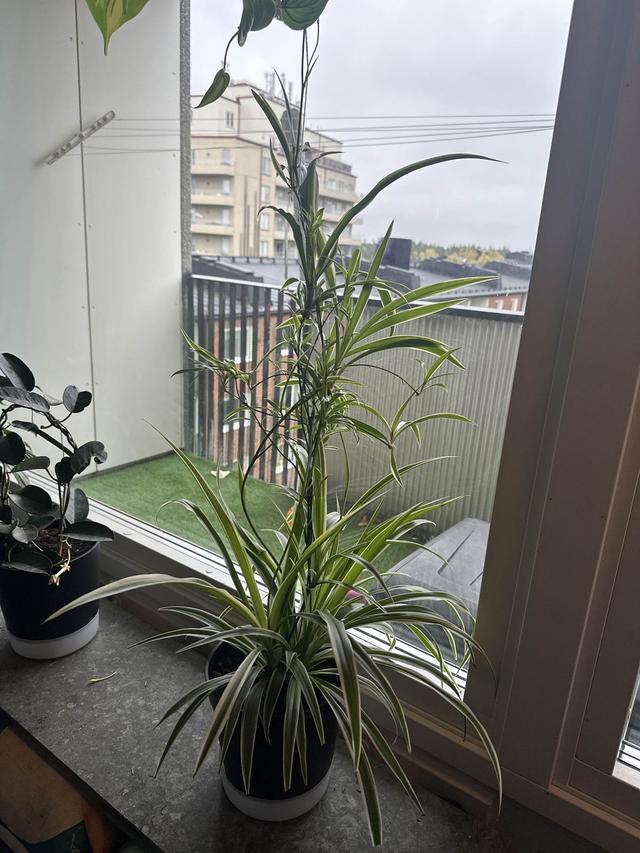
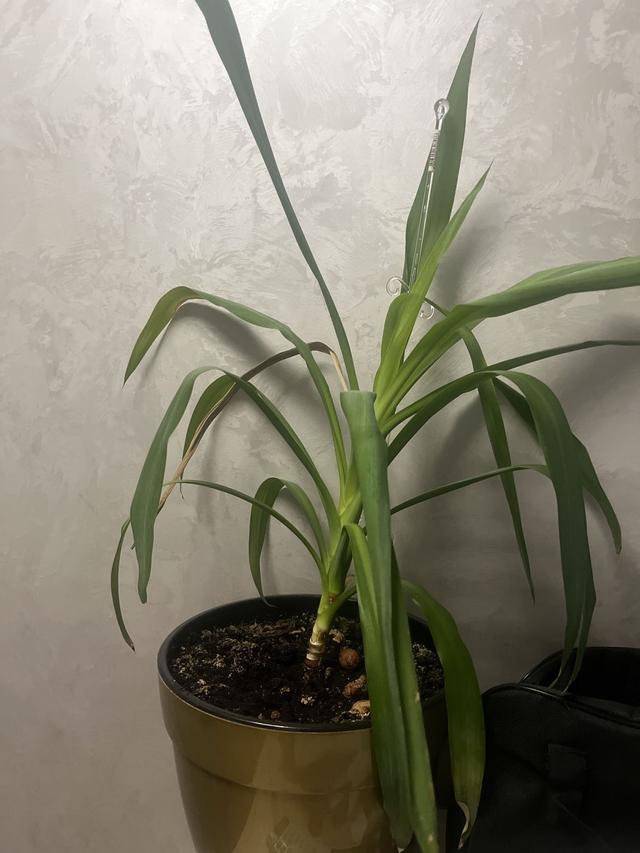
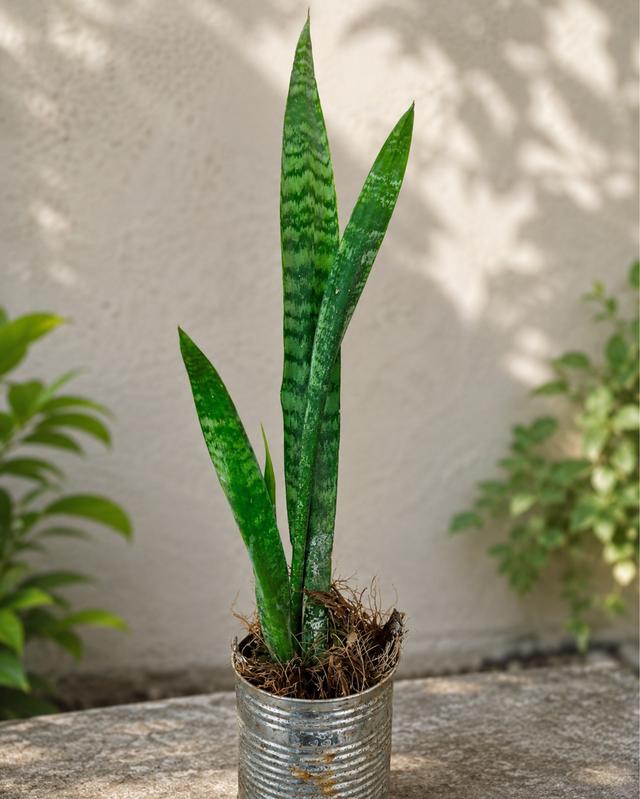
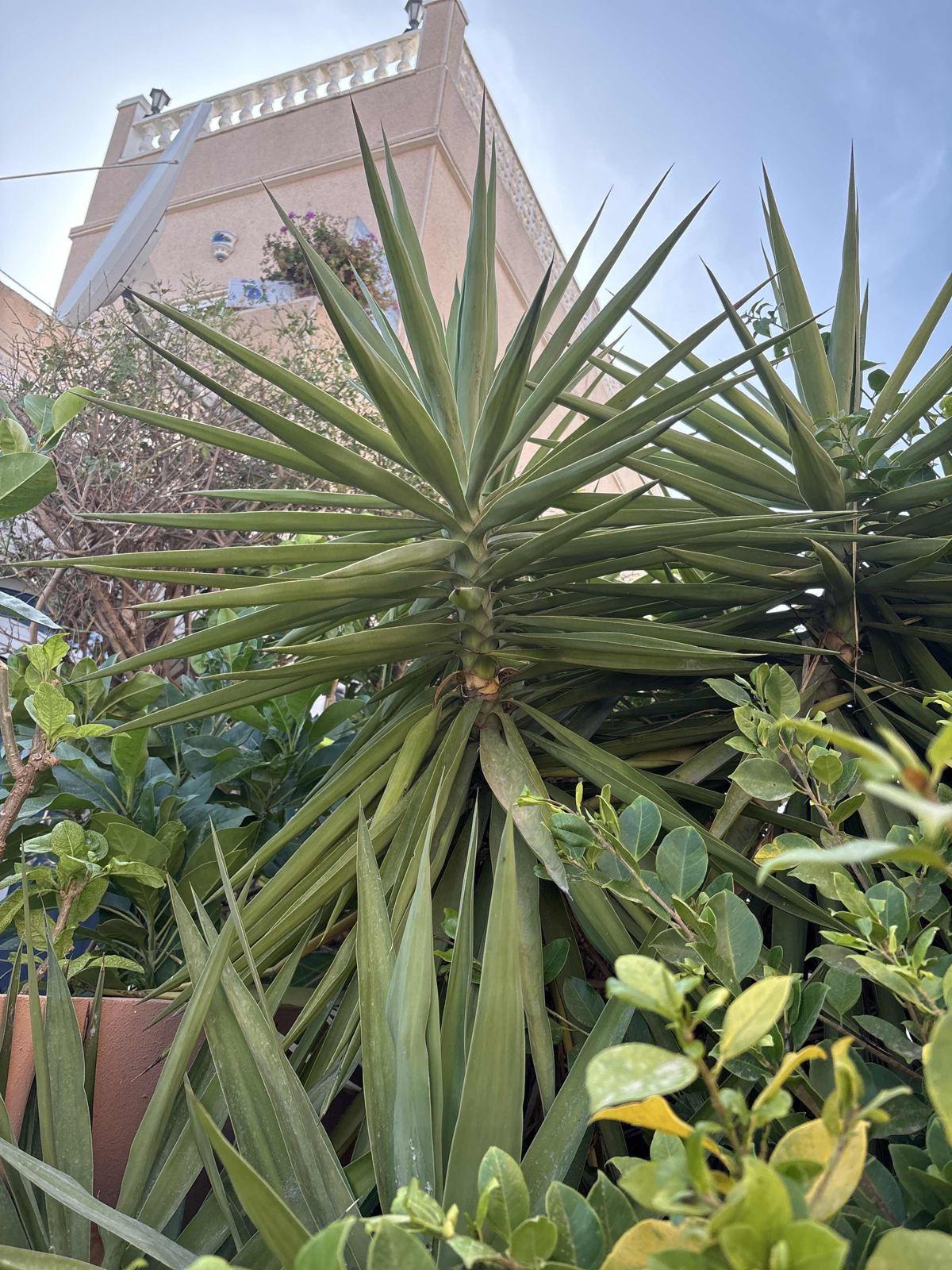
This plant has tall cane-like stems topped with stiff, sword-shaped green leaves, which matches the common indoor yucca cane form. It is a tough, architectural houseplant that tolerates average home conditions well and grows slowly over time.
Safety
Toxicity information is AI-generated and may be inaccurate. Always check with a vet or doctor before relying on it around children or pets.
Perks
Basic info
- Family
- Asparagaceae
- Genus
- Yucca
- Plant type
- Evergreen shrub
- Native region
- Mexico and Central America
- Difficulty
- Easy
Fun fact
Despite its common name, it is not a true palm at all and is more closely related to asparagus.
Care profile
Difficulty
Easy
Toughness
High
Maintenance
Low
Watering
Every 2-3 wks
Care tips
- 1
Let soil dry between waterings
- 2
Place near bright light
- 3
Use fast-draining soil
Common problems
Root rot Severe
Usually caused by overwatering or poor drainage; allow the soil to dry out and repot into a faster-draining mix if needed.
Read our root rot guide →Leaf tip browning Mild
Often due to low humidity, salt buildup, or inconsistent watering; trim brown tips and flush the soil occasionally.
Read our brown leaf tips guide →Spider mites Moderate
Fine webbing and speckled leaves can appear in dry indoor air; rinse the foliage and treat with insecticidal soap.
Read our spider mites guide →History
Yuccas have long been used in warm, arid regions for fiber, food, and ornamental planting. The cane-form yucca became especially popular as an indoor and lobby plant because its bold shape and tolerance for neglect fit modern interiors well.
Popular questions
How often should I water a spineless yucca indoors?
Water only after the top several inches of soil are dry, which is often every 2-3 weeks indoors and even less in winter. It is much safer to underwater than to keep the soil constantly damp.
Why are the lower leaves yellowing or dropping?
Lower leaves can yellow from overwatering, low light, or normal aging as the plant grows. Check drainage first, then move it to brighter light and let the soil dry more fully between waterings.
How do I propagate yucca cane?
Yucca cane is commonly propagated by stem cuttings or by removing side shoots. Let cut ends dry and callus briefly before placing them in a well-draining medium to reduce rot.