 Easy care
 Shared by a Gardeno user
Spider Plant
Chlorophytum comosum
Also known as: Airplane Plant, Ribbon Plant
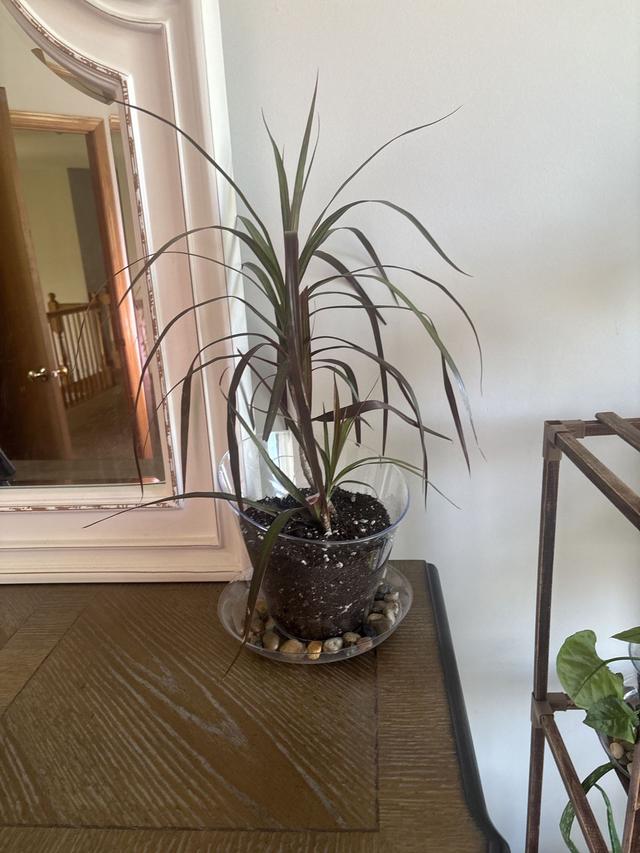
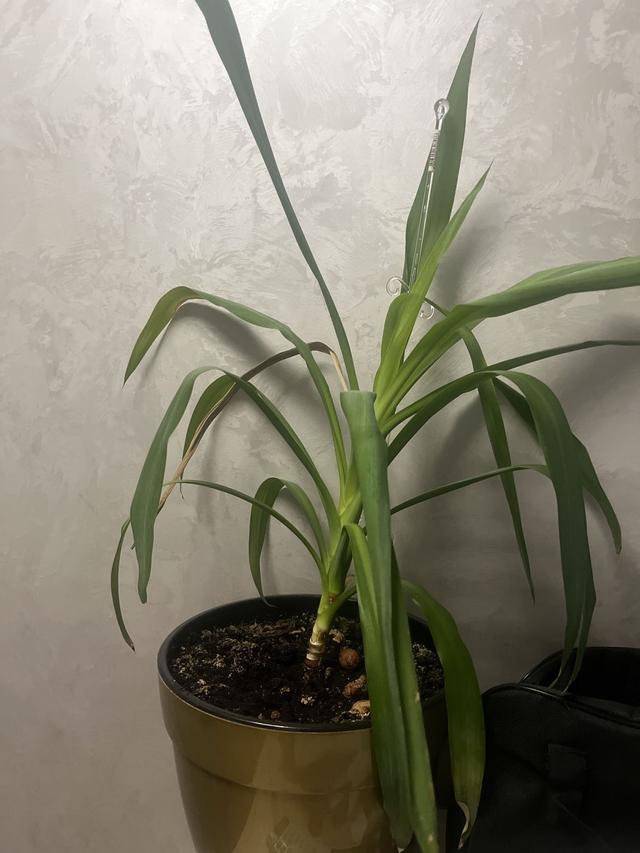
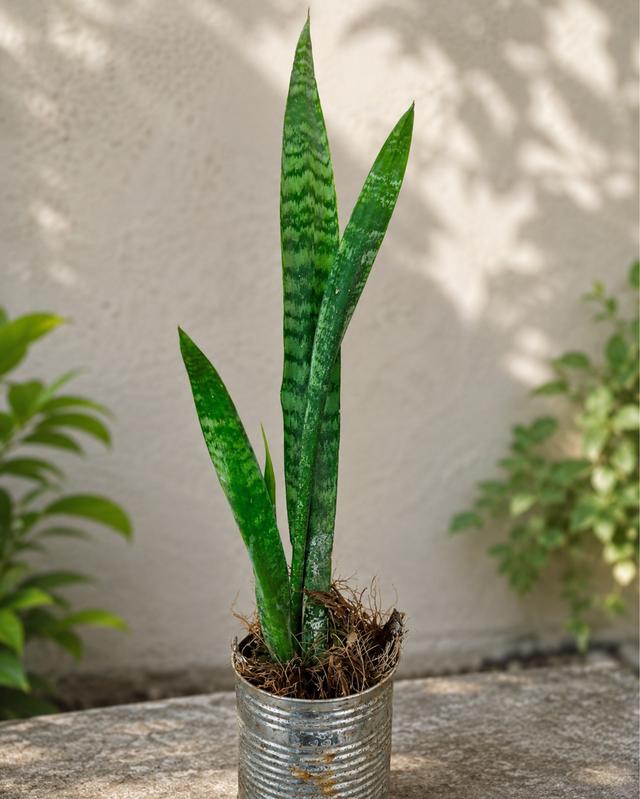
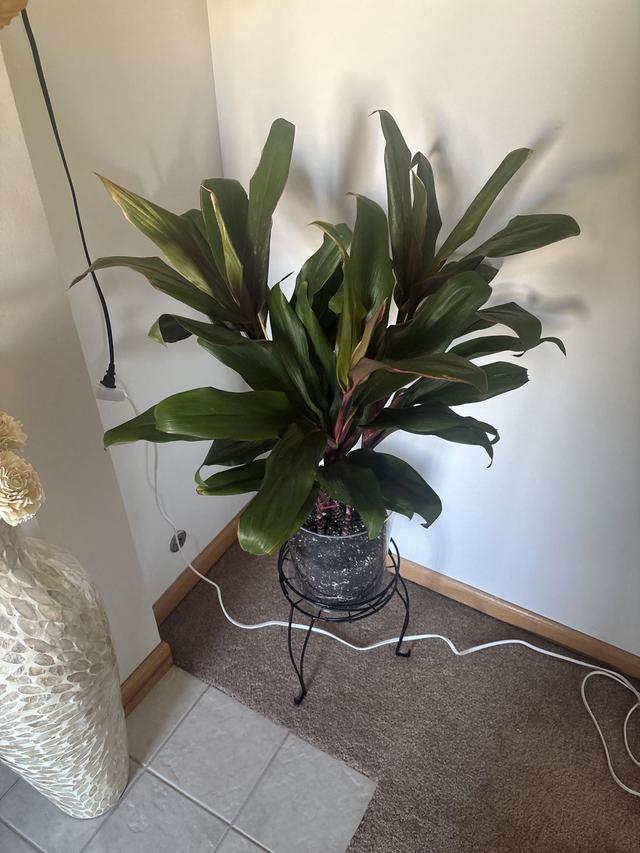
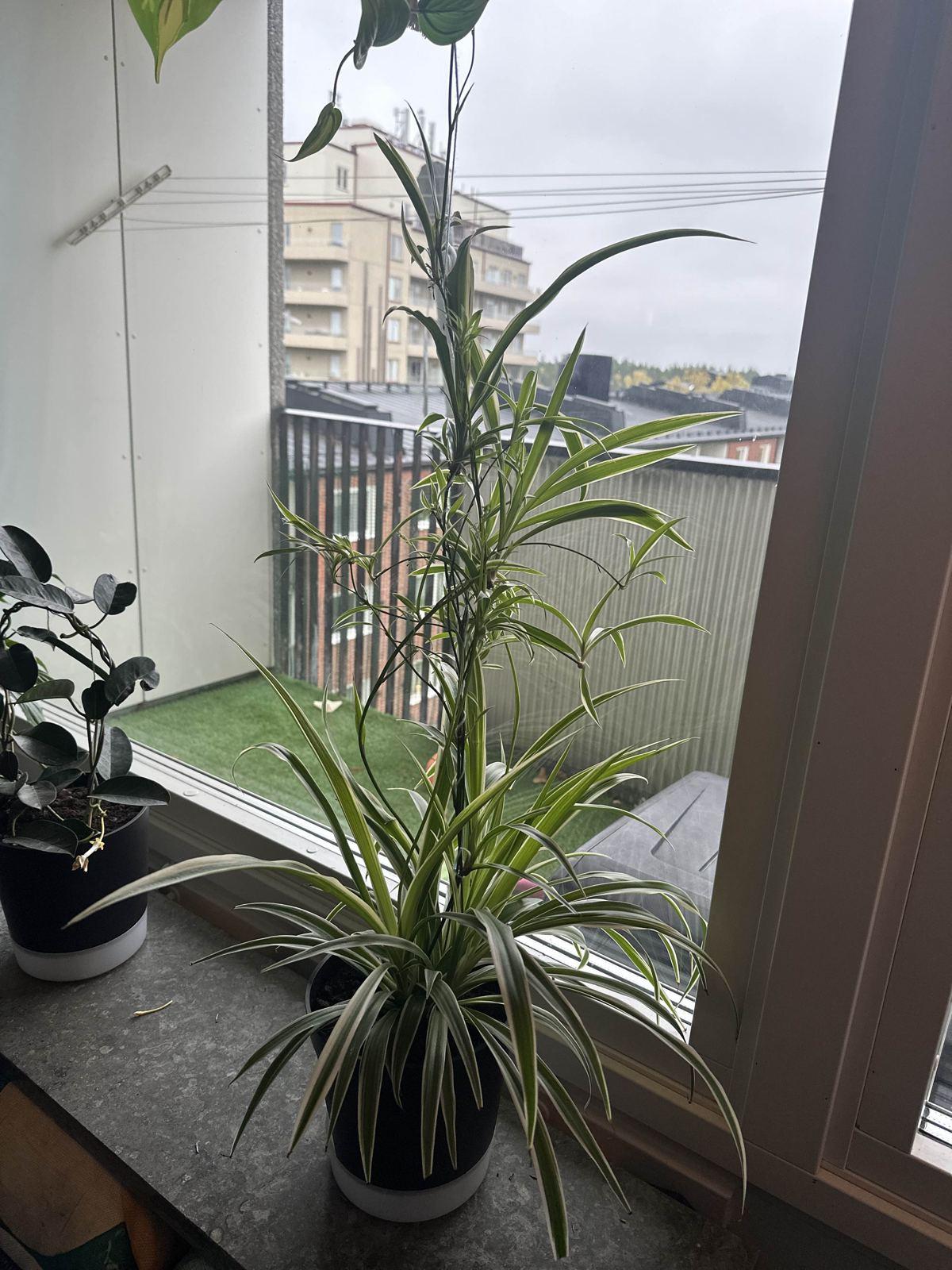
Spider plant is a popular houseplant with long, arching, variegated leaves that grow in a graceful fountain shape. It is prized for being adaptable, fast-growing, and easy to propagate from its small plantlets, or "spiderettes."
Safety
Toxicity information is AI-generated and may be inaccurate. Always check with a vet or doctor before relying on it around children or pets.
Perks
Basic info
- Family
- Asparagaceae
- Genus
- Chlorophytum
- Plant type
- Perennial
- Native region
- Southern Africa
- Difficulty
- Easy
Fun fact
Spider plants produce baby plantlets on long stems that can root while still attached to the mother plant.
Care profile
Difficulty
Easy
Toughness
High
Maintenance
Low
Watering
Every 1-2 wks
Care tips
- 1
Water when the top inch of soil feels dry.
- 2
Use bright, indirect light for best color and growth.
- 3
Trim brown leaf tips and repot when roots become crowded.
Common problems
Brown leaf tips Mild
Often caused by fluoride, mineral buildup, or inconsistent watering; use filtered water and flush the soil occasionally.
Read our brown leaf tips guide →Leaf yellowing Moderate
Usually a sign of overwatering or poor drainage; let the soil dry slightly and make sure the pot drains well.
Read our yellow leaves guide →Leggy growth Mild
Caused by too little light; move it to a brighter spot with indirect sun.
Read our leggy growth guide →History
Spider plant became especially popular as a houseplant during the 20th century because it is tough, easy to share, and quick to multiply. Its common name comes from the dangling plantlets that look like tiny spiders hanging from a web of stems.
Popular questions
How often should I water my spider plant?
Water when the top inch of soil dries out, which is often every 1-2 weeks depending on light, pot size, and indoor humidity. In winter, it usually needs less water. Avoid letting it sit in water, since soggy soil can cause root rot.
Why are the tips of my spider plant turning brown?
Brown tips are commonly caused by fluoride or salts in tap water, inconsistent watering, or too much fertilizer. Try filtered or distilled water, flush the potting mix occasionally, and reduce fertilizer strength. You can trim the browned tips with clean scissors.
How do I propagate a spider plant?
Spider plants are easiest to propagate from the baby plantlets that form on long stems. Pot the plantlet while it is still attached, or cut it off and root it in water or moist soil. Once roots are established, transplant it into its own pot.