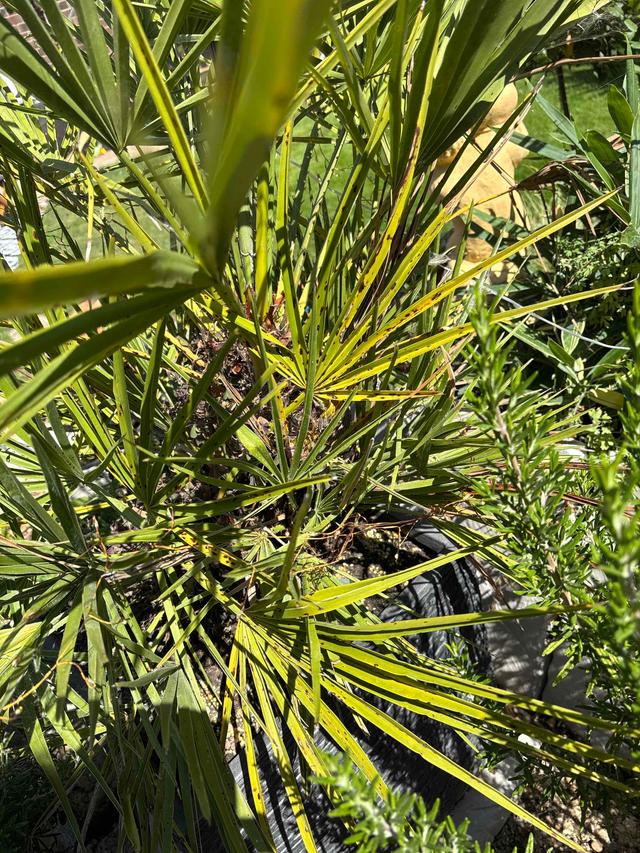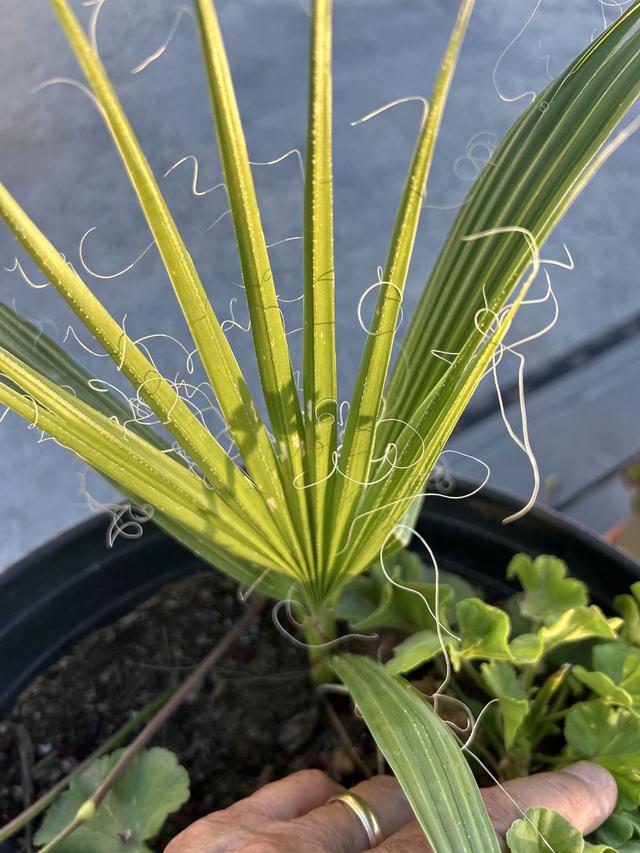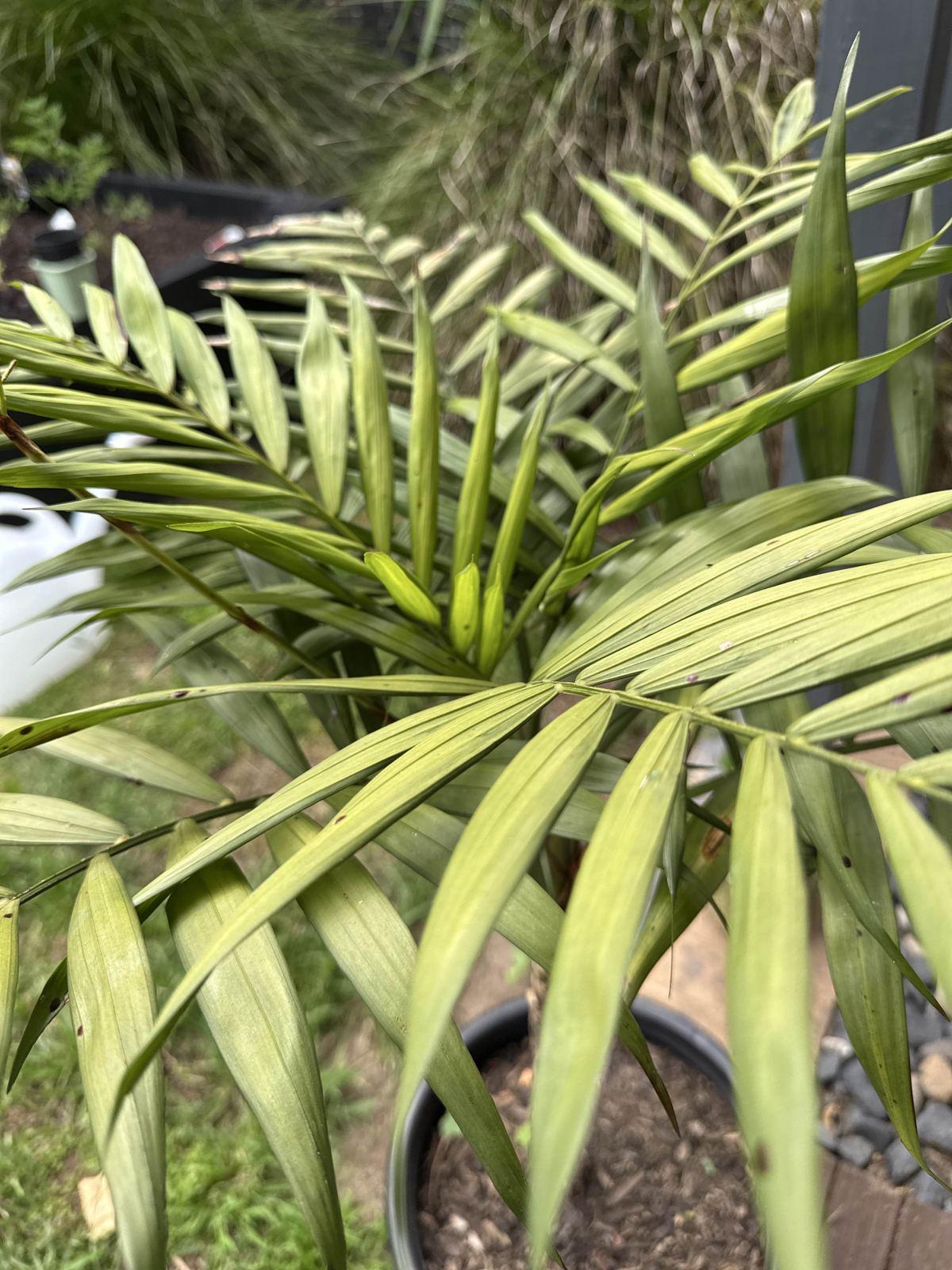
 Shared by a Gardeno user
Areca Palm
Dypsis lutescens
Also known as: Butterfly Palm, Golden Cane Palm, Yellow Palm
The Areca Palm is a popular indoor plant known for its graceful, feathery fronds that add a tropical touch to any space. It grows in clumps of slender, cane-like stems, creating a lush, full appearance. This palm is also recognized for its air-purifying qualities.
Safety
Toxicity information is AI-generated and may be inaccurate. Always check with a vet or doctor before relying on it around children or pets.
Perks
Basic info
- Family
- Arecaceae
- Genus
- Dypsis
- Plant type
- Tropical palm
- Native region
- Madagascar
- Difficulty
- Moderate
Fun fact
Areca Palms are one of the best air-purifying plants, effectively removing toxins like formaldehyde and xylene from indoor air.
Care profile
Difficulty
Moderate
Toughness
Medium
Maintenance
Medium
Watering
Every 1-2 weeks
Care tips
- 1
Provide bright, indirect light, avoiding direct sun which can scorch leaves.
- 2
Keep soil consistently moist but not waterlogged; allow the top inch to dry out between waterings.
- 3
Maintain high humidity by misting regularly or using a pebble tray, especially in dry environments.
Common problems
Brown Leaf Tips Mild
Often caused by low humidity or fluoride in tap water. Use distilled or rainwater, and increase humidity.
Read our brown leaf tips guide →Yellowing Leaves Moderate
Can indicate overwatering, underwatering, or nutrient deficiency. Check soil moisture and consider fertilizing during growing season.
Read our yellow leaves guide →Spider Mites Moderate
Tiny pests that thrive in dry conditions. Increase humidity and wipe leaves with a damp cloth or insecticidal soap.
Read our spider mites guide →History
Native to the tropical rainforests of Madagascar, the Areca Palm was introduced to Europe in the 19th century and quickly became a popular ornamental plant. Its elegant appearance and adaptability to indoor conditions have made it a staple in homes and offices worldwide. It's often associated with tropical luxury.
Popular questions
How often should I water my Areca Palm?
Water your Areca Palm when the top inch of soil feels dry to the touch, typically every 1-2 weeks. Ensure good drainage to prevent root rot, and reduce watering in winter.
Why are the tips of my Areca Palm's leaves turning brown?
Brown leaf tips are commonly caused by low humidity or chemicals in tap water, like fluoride. To remedy this, mist your plant regularly, use a humidifier, or water with distilled or filtered water.
Can I propagate my Areca Palm?
Areca Palms are typically propagated by division. Carefully separate offsets or suckers from the main plant, ensuring each division has some roots, and pot them in their own containers.