 Shared by a Gardeno user
Canary Island date palm
Phoenix canariensis
Also known as: Pineapple palm, Phoenix palm
The Canary Island date palm is a stately, feather-leaved palm with a thick trunk and a large crown of arching fronds. It is widely planted in warm climates and landscapes for its dramatic, tropical look and strong architectural form.
Safety
Toxicity information is AI-generated and may be inaccurate. Always check with a vet or doctor before relying on it around children or pets.
Perks
Basic info
- Family
- Arecaceae
- Genus
- Phoenix
- Plant type
- Palm tree
- Native region
- Canary Islands
- Difficulty
- Moderate
Fun fact
This palm can develop a trunk so thick and patterned that it often looks almost like a living column in formal landscapes.
Care profile
Difficulty
Moderate
Toughness
High
Maintenance
Medium
Watering
Weekly
Care tips
- 1
Plant in well-draining soil
- 2
Water deeply when young
- 3
Trim only dead fronds
Common problems
Scale insects Moderate
Sticky fronds or sooty mold can indicate scale; treat with horticultural oil or insecticidal soap and improve plant vigor.
Read our mealybugs & scale guide →Nutrient deficiency Moderate
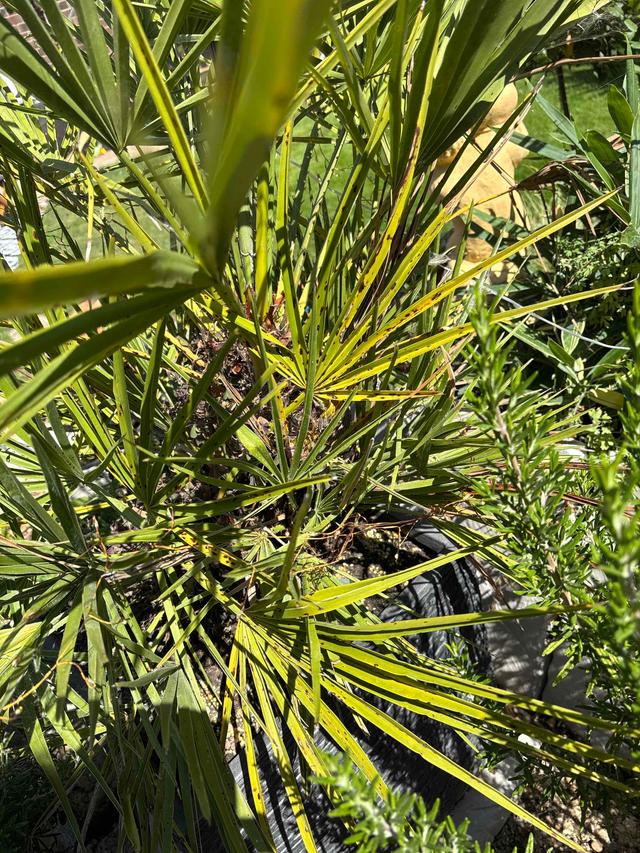
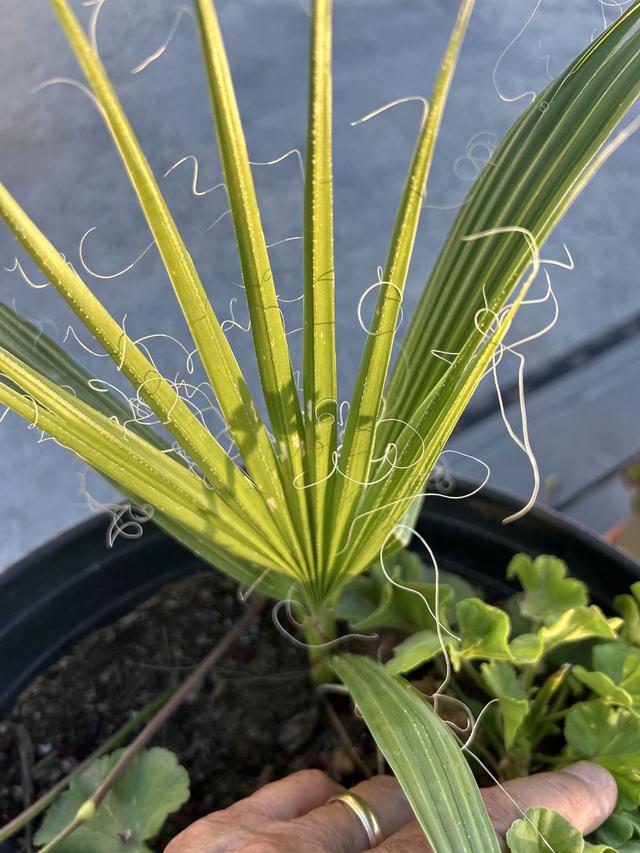
Yellowing or frizzled fronds may signal potassium or magnesium deficiency; use a palm-specific fertilizer with micronutrients.
Overwatering root stress Mild
Poor drainage can lead to root decline and yellowing; reduce watering and ensure fast-draining soil.
History
Phoenix canariensis is native to the Canary Islands and became popular worldwide as a showy landscape palm in subtropical and Mediterranean climates. It has long been used in grand estates, resort plantings, and historic gardens because of its symmetrical shape and impressive size.
Popular questions
How often should I water a Canary Island date palm?
Water young palms regularly so the root ball stays evenly moist, especially during hot weather. Once established, it prefers deep but less frequent watering, with the soil drying slightly between waterings.
Why are the fronds turning yellow or looking sparse?
Yellowing fronds are often caused by nutrient deficiency, especially potassium or magnesium, or by inconsistent watering. Check drainage first, then feed with a palm fertilizer that includes micronutrients and avoid removing too many healthy fronds.
How do I propagate this palm?
Canary Island date palms are usually propagated by seed, not cuttings. Seed germination is slow and requires warmth, patience, and fresh seed for the best results.