 Shared by a Gardeno user
Giant Taro
Alocasia macrorrhizos
Also known as: Upright Elephant Ear, Giant Alocasia, Cunjevoi
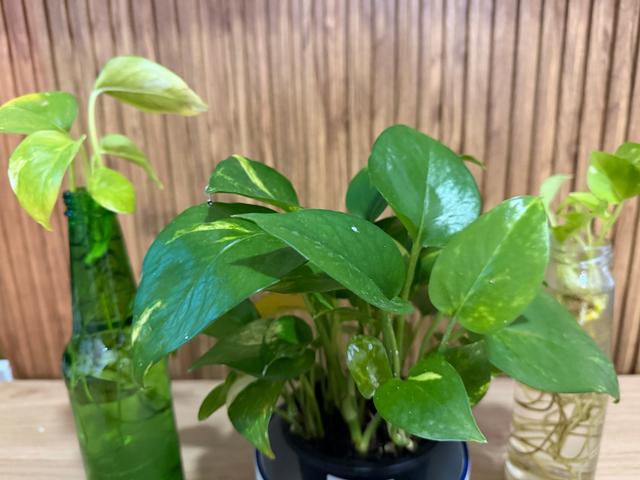
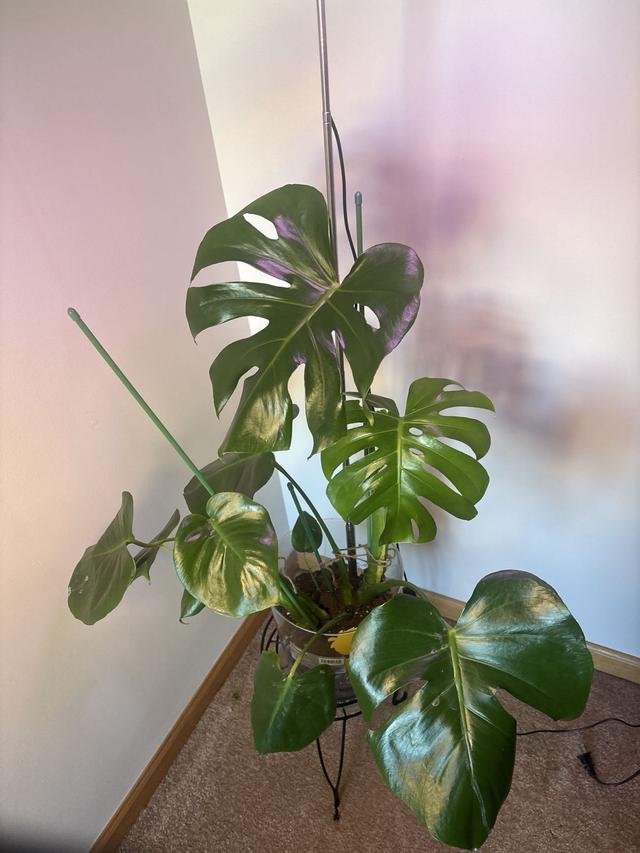
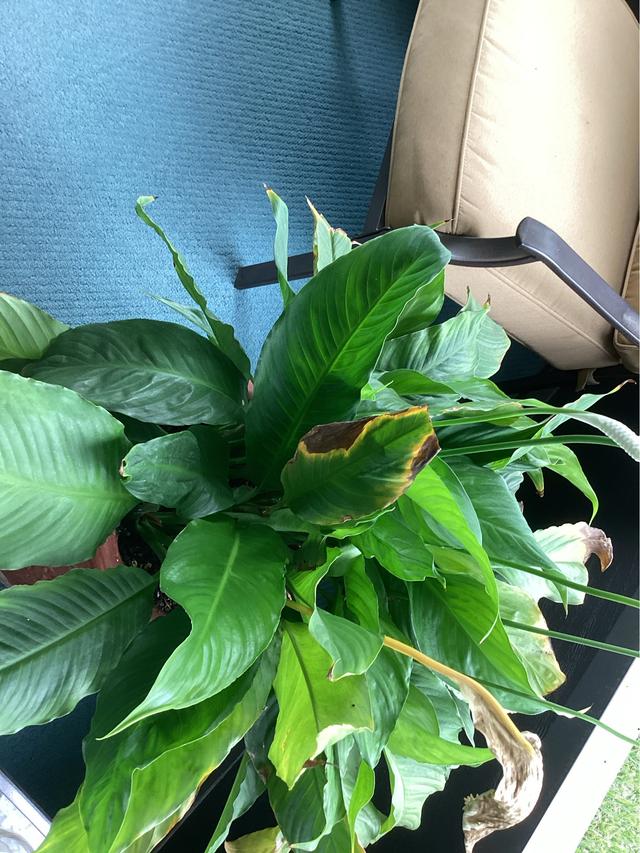
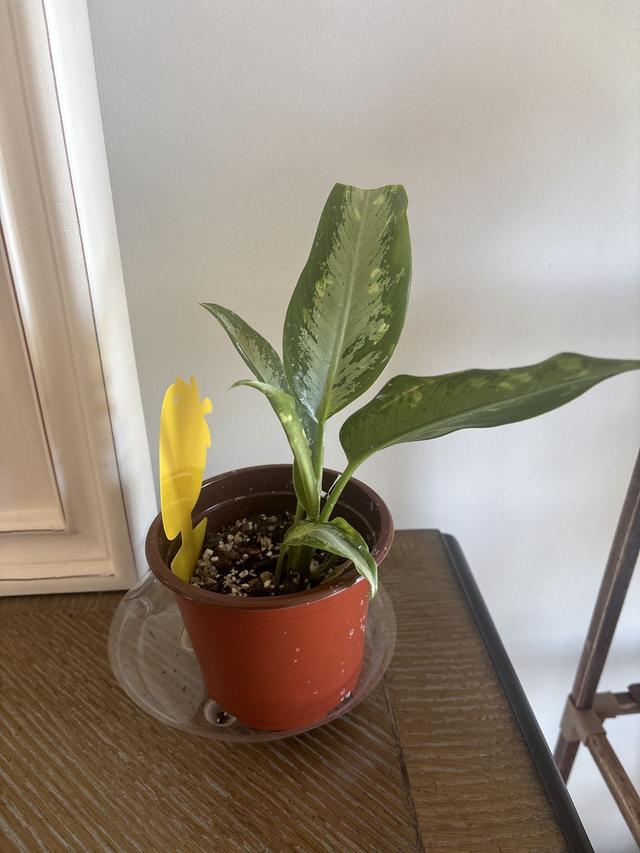
Alocasia macrorrhizos is a large tropical perennial known for its impressive, upright, arrow-shaped to heart-shaped leaves. It can grow quite tall, making a dramatic statement in suitable environments. The leaves are typically glossy green with prominent veins.
Safety
Toxicity information is AI-generated and may be inaccurate. Always check with a vet or doctor before relying on it around children or pets.
Perks
Basic info
- Family
- Araceae
- Genus
- Alocasia
- Plant type
- Tropical perennial
- Native region
- Tropical Asia, Australia
- Difficulty
- Moderate
Fun fact
Despite being toxic when raw, the corms of Alocasia macrorrhizos are edible after extensive cooking to remove calcium oxalate crystals, and are a staple food in some cultures.
Care profile
Difficulty
Moderate
Toughness
Medium
Maintenance
Medium
Watering
Keep soil moist
Care tips
- 1
Provide high humidity
- 2
Fertilize regularly
- 3
Protect from direct sun
Common problems
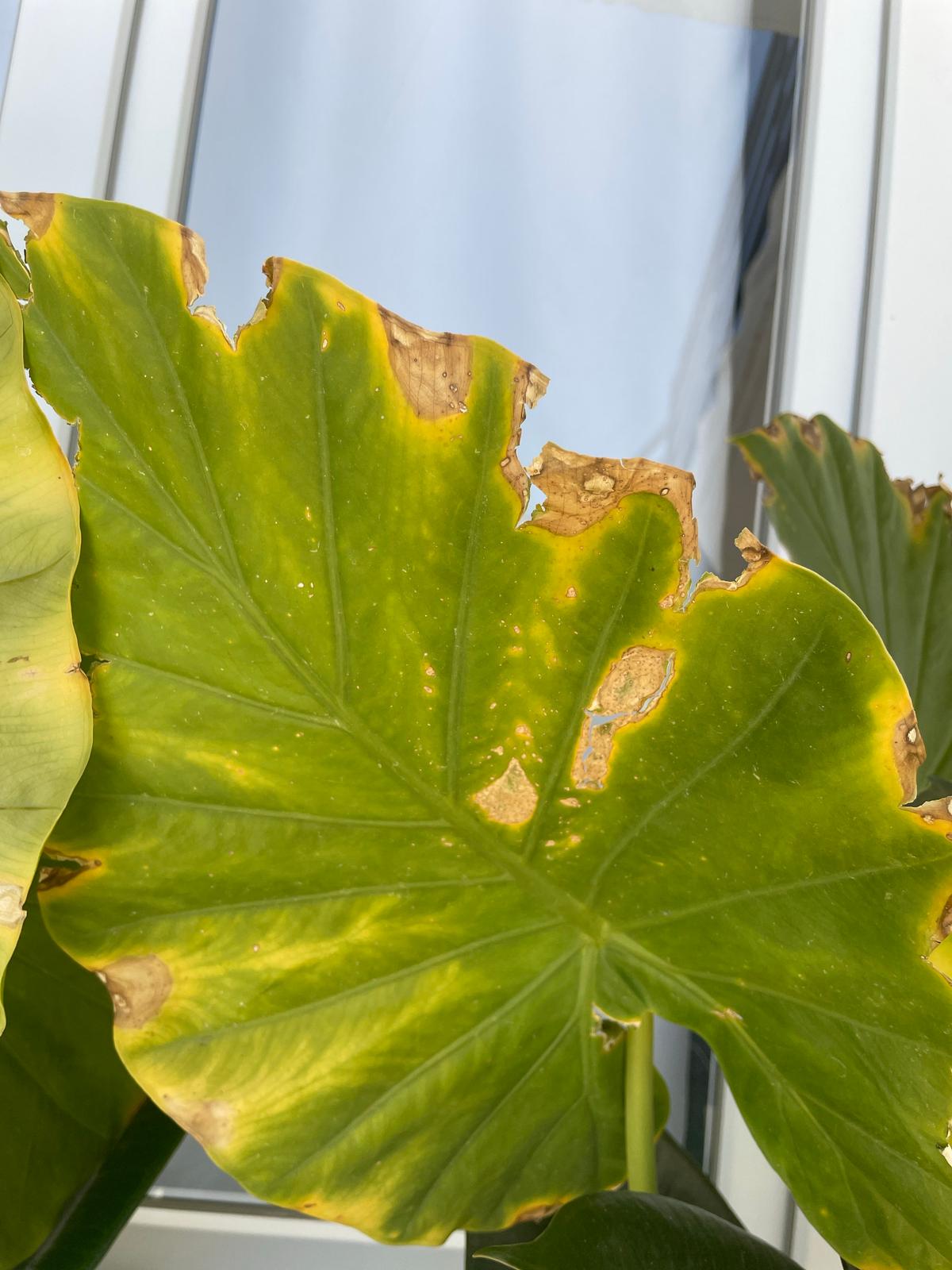
Yellowing leaves Mild
Often due to overwatering or underwatering, or nutrient deficiency. Adjust watering schedule and check soil moisture regularly.
Read our yellow leaves guide →Brown leaf edges/tips Mild
Indicates low humidity or inconsistent watering. Increase humidity around the plant and maintain consistent soil moisture.
Read our brown leaf tips guide →Pests (Spider Mites) Moderate
Small webs and tiny dots on leaves. Treat with neem oil or insecticidal soap, ensuring thorough coverage.
Read our spider mites guide →History
Alocasia macrorrhizos has a long history of cultivation in Southeast Asia and the Pacific Islands, where its corms have been used as a food source after proper preparation. It's also been traditionally used for medicinal purposes in some cultures. Its striking appearance has made it a popular ornamental plant worldwide.
Popular questions
How often should I water my Giant Taro?
Water your Giant Taro when the top 1-2 inches of soil feel dry to the touch. Ensure good drainage and avoid letting the plant sit in standing water, as this can lead to root rot. Consistency is key for healthy growth.
Why are the leaves of my Alocasia macrorrhizos turning yellow and brown?
Yellowing can be a sign of either overwatering or underwatering, while browning edges often indicate low humidity or inconsistent moisture. Check your watering routine and consider increasing humidity around the plant with a humidifier or pebble tray.
How can I propagate my Giant Taro?
Alocasia macrorrhizos can be propagated by dividing the rhizomes or corms. Carefully separate offsets from the main plant, ensuring each division has some roots, and plant them in fresh, well-draining potting mix.