 Easy care
 Shared by a Gardeno user
Rubber Plant
Ficus elastica
Also known as: Rubber Tree, Indian Rubber Tree
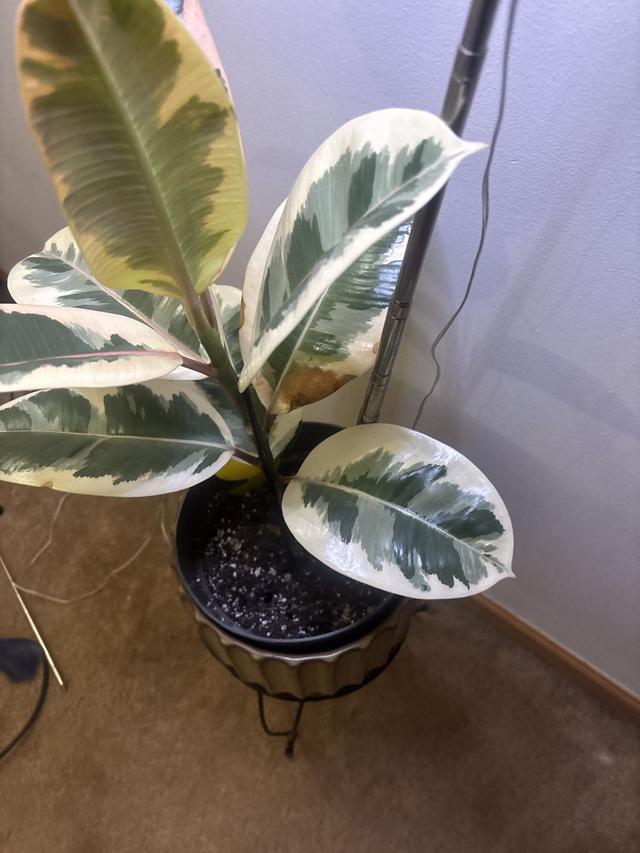
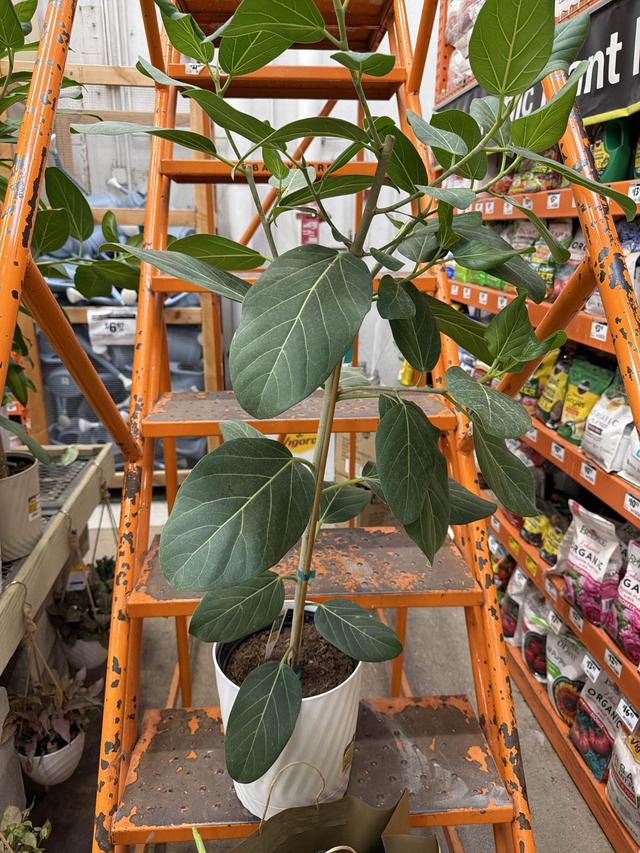
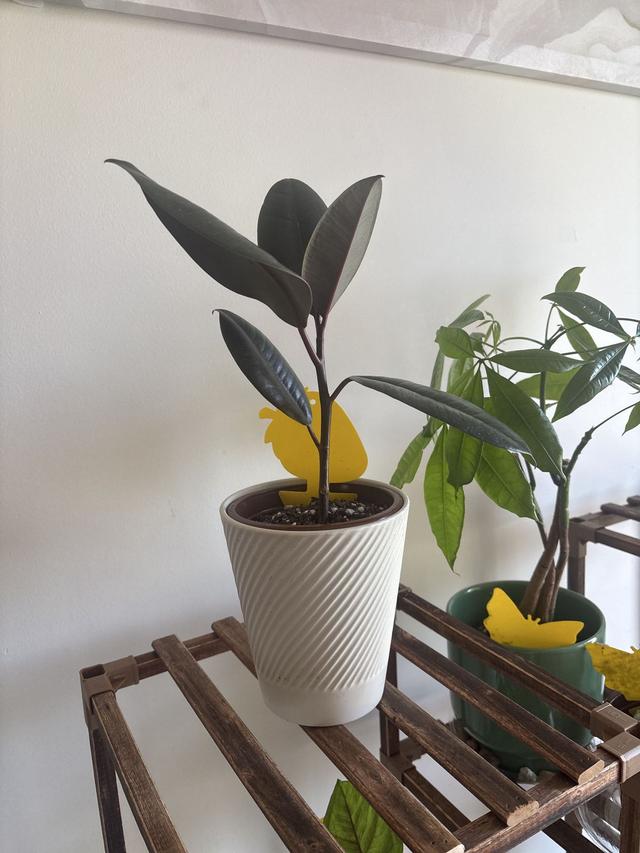
Rubber plant is a popular houseplant with thick, glossy, oval leaves and a sturdy upright growth habit. It is valued for its bold tropical look and tolerance of typical indoor conditions, though its milky sap can irritate pets and skin.
Safety
Toxicity information is AI-generated and may be inaccurate. Always check with a vet or doctor before relying on it around children or pets.
Perks
Basic info
- Family
- Moraceae
- Genus
- Ficus
- Plant type
- Evergreen tree
- Native region
- Southeast Asia
- Difficulty
- Easy
Fun fact
It was once tapped as a source of latex, which is how it got the name "rubber plant."
Care profile
Difficulty
Easy
Toughness
High
Maintenance
Low
Watering
Every 1-2 wks
Care tips
- 1
Let top soil dry
- 2
Provide bright indirect light
- 3
Wipe leaves regularly
Common problems
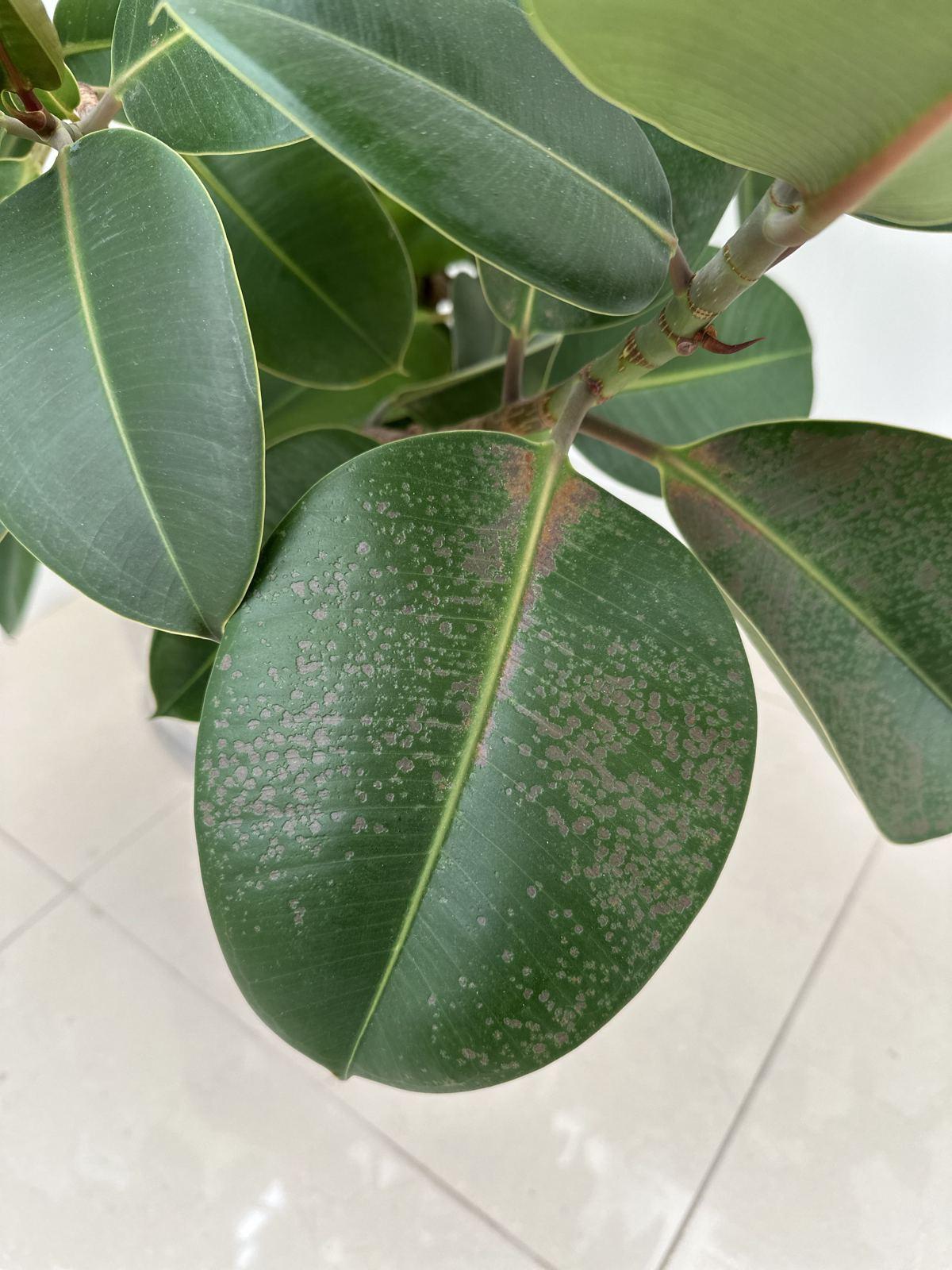
Brown leaf spots Moderate
Often caused by edema, leaf scorch, or inconsistent watering; keep watering even and avoid harsh direct sun.
Leaf drop Moderate
Usually triggered by sudden changes in light, temperature, or watering; move it gradually and avoid overwatering.
Read our leaf drop guide →Spider mites Mild
Fine stippling and dull leaves can appear in dry air; rinse leaves and increase humidity if needed.
Read our spider mites guide →History
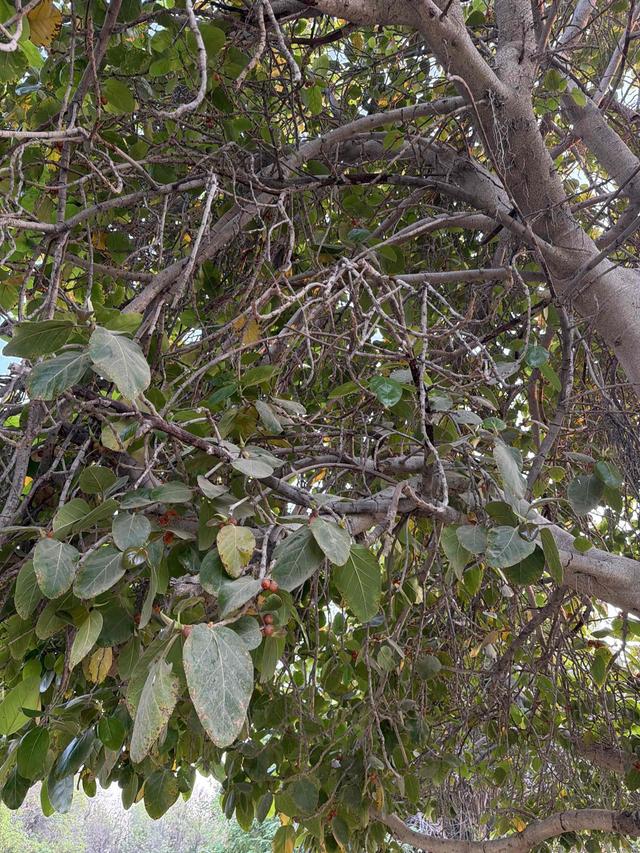
Ficus elastica is native to Southeast Asia, where it grows as a large tropical tree. Historically, its latex was explored as a potential rubber source, and it later became one of the most iconic indoor foliage plants worldwide.
Popular questions
How often should I water my rubber plant?
Water when the top inch or two of soil feels dry, usually every 1-2 weeks indoors. Reduce watering in winter and always empty excess water from the saucer to prevent root rot.
Why are the leaves getting brown spots or dropping?
Brown spots and leaf drop are commonly caused by inconsistent watering, low humidity, or too much direct sun. Check that the pot drains well, keep light bright but indirect, and avoid moving the plant often while it adjusts.
How do I propagate a rubber plant?
Rubber plants are commonly propagated by stem cuttings with at least one node. Place the cutting in water or moist potting mix, keep it warm and humid, and wait for roots to form before potting up.