 Easy care
 Shared by a Gardeno user
Common mullein
Verbascum thapsus
Also known as: Great mullein, Aaron's rod
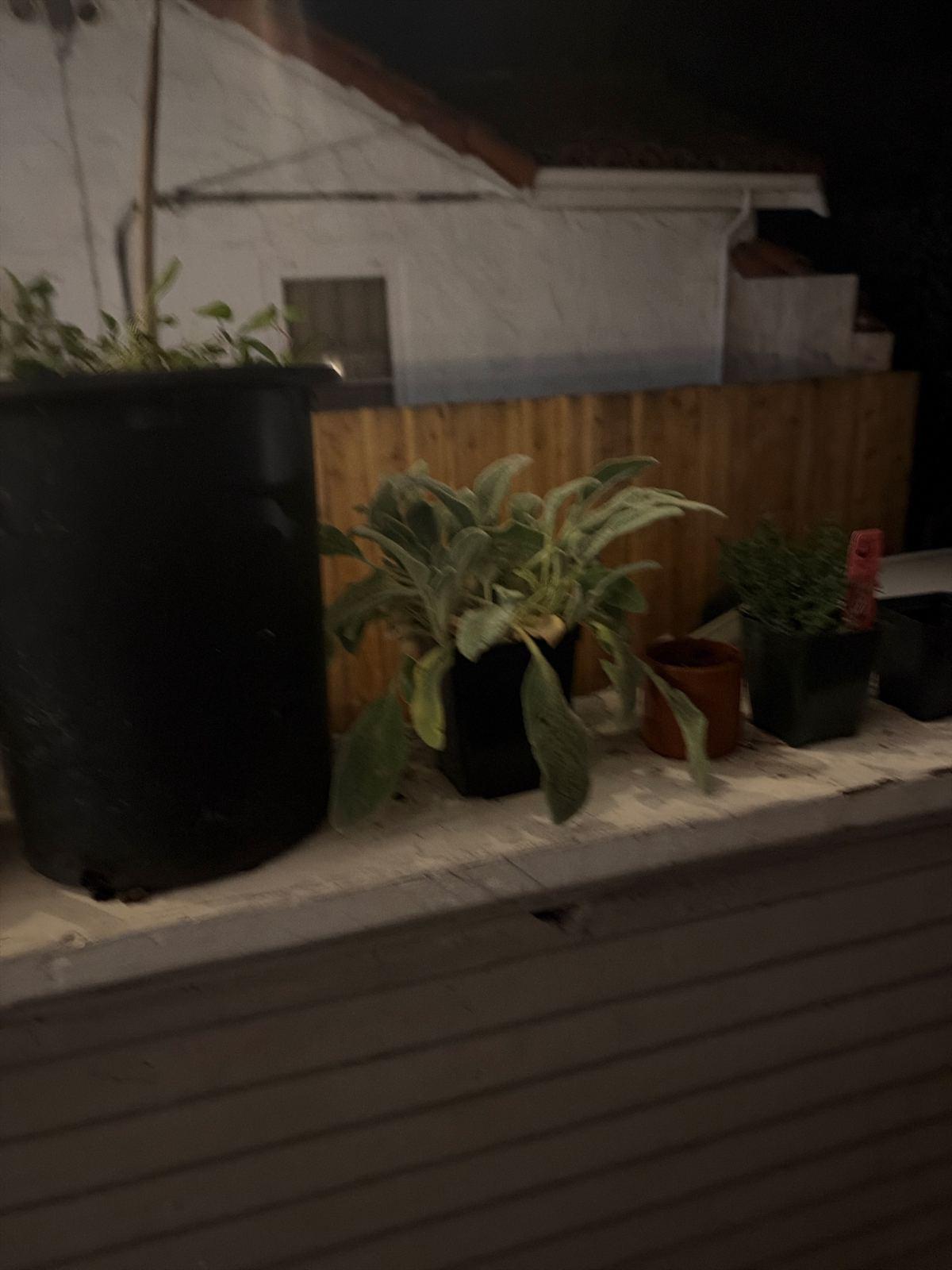
Common mullein is a woolly, gray-green biennial with a basal rosette of soft, fuzzy leaves in its first year. It is drought-tolerant and produces a tall flowering spike later in its life cycle with small yellow blooms.
Safety
Toxicity information is AI-generated and may be inaccurate. Always check with a vet or doctor before relying on it around children or pets.
Perks
Basic info
- Family
- Scrophulariaceae
- Genus
- Verbascum
- Plant type
- Biennial herb
- Native region
- Europe and Asia
- Difficulty
- Easy
Fun fact
Mullein leaves were traditionally used as a natural wick for lamps and candles.
Care profile
Difficulty
Easy
Toughness
High
Maintenance
Low
Watering
Every 2-3 wks
Care tips
- 1
Use very well-draining soil
- 2
Water sparingly after establishment
- 3
Give it plenty of sun
Common problems
Root rot Moderate
Overwatering or heavy soil can rot the roots; let soil dry fully and improve drainage.
Read our root rot guide →Leggy growth Mild
Too little light can stretch the plant; move it to a brighter spot.
Read our leggy growth guide →Aphids Mild
Small insects may cluster on new growth; rinse off or treat with insecticidal soap.
Read our aphids guide →History
Common mullein has been grown and naturalized across Europe, North America, and parts of Asia for centuries. It has a long history in herbal traditions, where different parts of the plant were used in folk remedies and for practical household purposes.
Popular questions
How often should I water common mullein?
Water only when the soil has dried out well, especially once the plant is established. It prefers dry conditions and is more likely to suffer from too much water than too little.
Why are the leaves turning yellow or soft?
Yellowing, soft leaves are often a sign of overwatering or poor drainage. Check that the pot has drainage holes and allow the soil to dry more between waterings.
How do I propagate common mullein?
The easiest method is by seed, since mullein is commonly grown from seed and self-sows readily. Sow seeds on the soil surface or barely cover them, and keep them lightly moist until they germinate.