 Easy care
 Shared by a Gardeno user
Pine
Pinus spp.
Also known as: Evergreen pine, Conifer
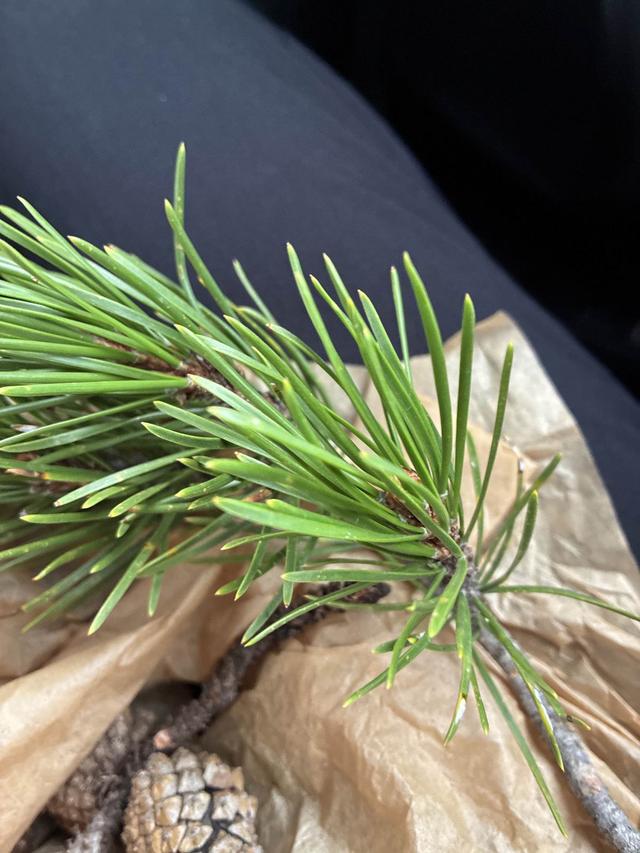
Pines are evergreen conifers known for their needle-like leaves and woody cones. They are hardy landscape trees that thrive in open, sunny locations and well-drained soil.
Safety
Toxicity information is AI-generated and may be inaccurate. Always check with a vet or doctor before relying on it around children or pets.
Perks
Basic info
- Family
- Pinaceae
- Genus
- Pinus
- Plant type
- Tree
- Native region
- Northern Hemisphere
- Difficulty
- Easy
Fun fact
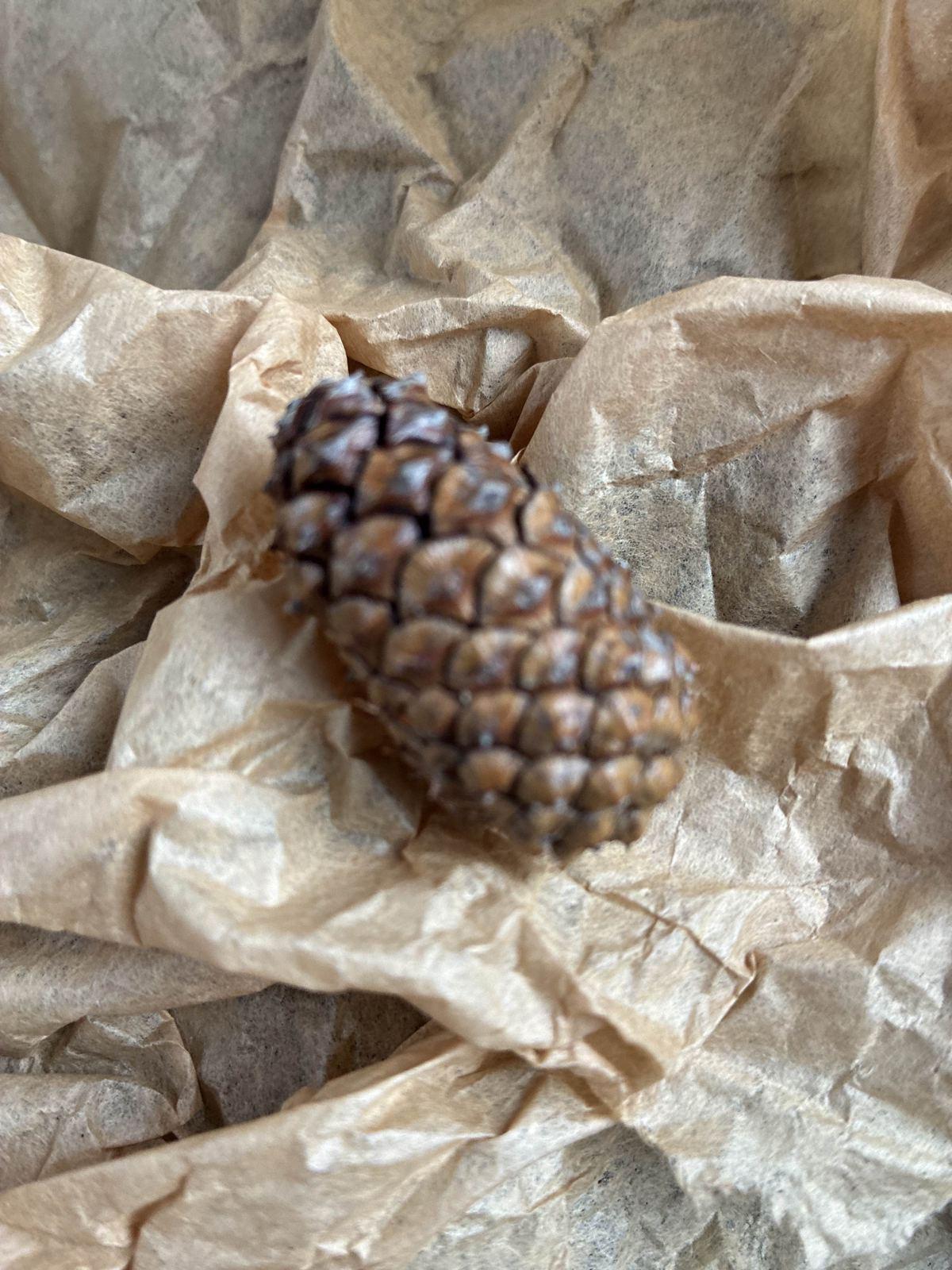
Pine cones open and close in response to moisture, helping protect the seeds inside.
Care profile
Difficulty
Easy
Toughness
High
Maintenance
Low
Watering
Every 2-4 wks
Care tips
- 1
Plant in well-drained soil
- 2
Water young trees deeply
- 3
Prune only dead wood
Common problems
Needle drop Mild
Older needles naturally yellow and fall, but excessive drop can signal drought or stress; water deeply and check drainage.
Read our leaf drop guide →Pine wilt Severe
Some pines can decline quickly from pest or disease issues; remove affected branches and consult an arborist if the whole tree is browning.
Scale or aphids Moderate
Sap-sucking insects can cause sticky residue and weak growth; treat early with horticultural oil or insecticidal soap.
Read our aphids guide →History
Pines are among the most widespread and ancient conifers, with fossils showing they have been around for millions of years. They have long been valued for timber, resin, and as symbolic evergreens in winter traditions around the world.
Popular questions
How often should I water a pine tree?
Young pines need deep watering about every 2-4 weeks during dry weather, while established trees usually rely on rainfall. Avoid frequent shallow watering, which encourages weak roots.
Why are my pine needles turning brown or dropping?
Some inner needle loss is normal, but widespread browning can mean drought, root stress, pests, or disease. Check soil moisture first and make sure the tree is not sitting in poorly drained soil.
How do I propagate a pine?
Pines are usually propagated from seed, which often needs a period of cold stratification before germinating. Some species can also be started from cuttings, but seed is the most common and reliable method.