 Easy care
 Shared by a Gardeno user
Pine sapling
Pinus sp.
Also known as: Pine seedling, Young pine
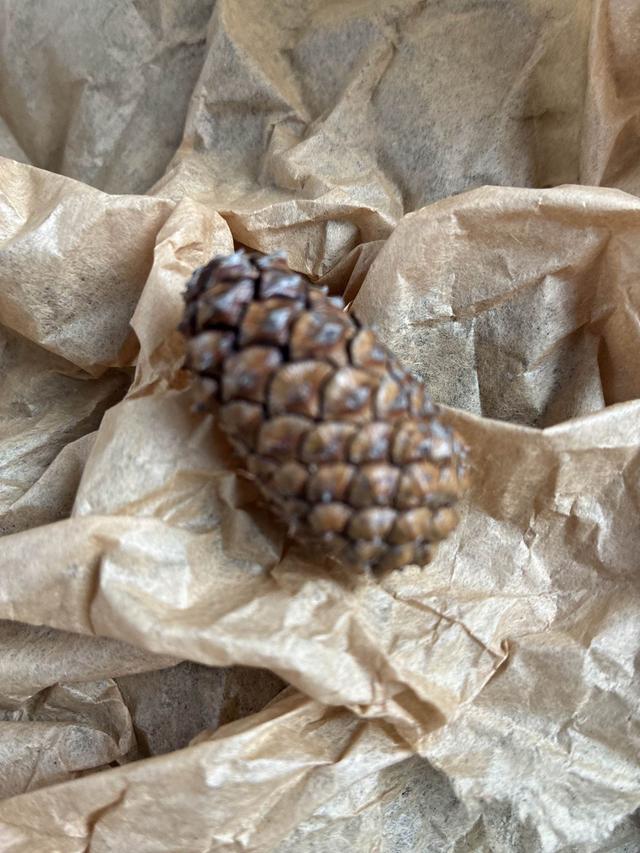
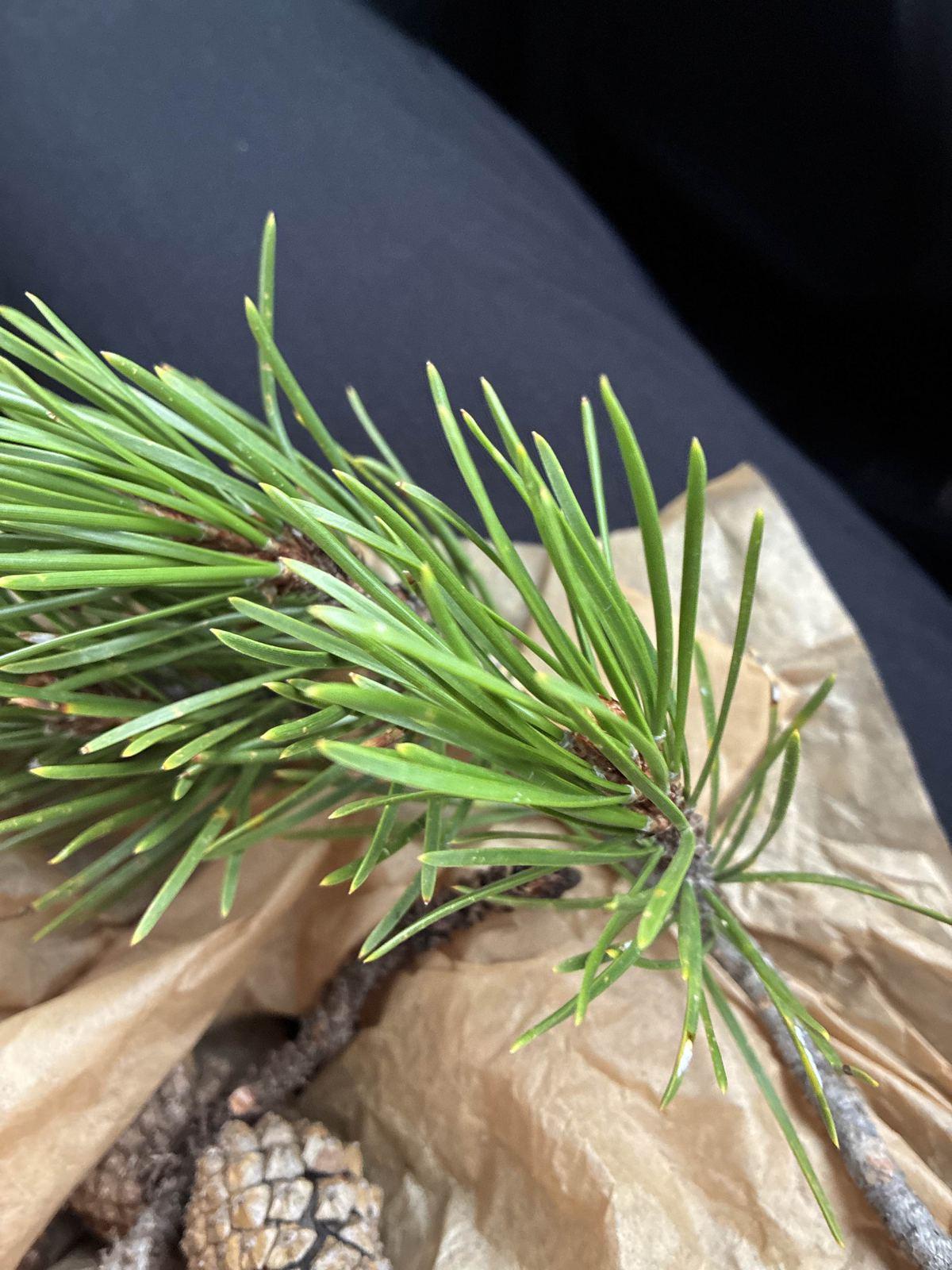
This is a young pine tree, recognized by its narrow evergreen needles growing in clustered bundles along woody stems. Pines are hardy conifers that can eventually become large landscape trees, depending on the species.
Safety
Toxicity information is AI-generated and may be inaccurate. Always check with a vet or doctor before relying on it around children or pets.
Perks
Basic info
- Family
- Pinaceae
- Genus
- Pinus
- Plant type
- Tree
- Native region
- Northern Hemisphere
- Difficulty
- Easy
Fun fact
Pine needles grow in bundles called fascicles, which is a key feature used to identify different pine species.
Care profile
Difficulty
Easy
Toughness
High
Maintenance
Low
Watering
Every 1-2 wks
Care tips
- 1
Give it full sun for strong growth
- 2
Use well-draining soil to prevent root issues
- 3
Water deeply but infrequently once established
Common problems
Needle browning Moderate
Older needles may yellow or brown from drought, transplant shock, or seasonal shedding; water deeply and keep roots evenly moist but not soggy.
Spider mites Mild
Fine stippling, dusty-looking needles, or webbing can indicate mites; rinse foliage and treat with horticultural oil if needed.
Read our spider mites guide →Root rot Severe
Poor drainage can cause decline, wilting, and browning; improve drainage and avoid overwatering.
Read our root rot guide →History
Pines are among the oldest and most widespread conifers, with many species playing major roles in forestry, windbreaks, and ornamental planting. Their resin, wood, and needles have also been used traditionally in fuel, construction, and medicinal preparations across many cultures.
Popular questions
How often should I water a young pine?
Water deeply when the top few inches of soil dry out, especially during the first year after planting. Once established, pines prefer less frequent watering and generally do best with a soak every 1-2 weeks during dry periods.
Why are my pine needles turning yellow or brown?
Needle discoloration can come from transplant shock, drought stress, overwatering, or normal seasonal shedding of older needles. Check the soil drainage first, then adjust watering so the root zone stays moist but never waterlogged.
How do I propagate a pine?
Pines are usually propagated from seed rather than cuttings, since cuttings are often difficult to root. Collect mature seeds, cold-stratify them if needed for the species, and sow them in a free-draining mix with bright light.