 Easy care
 Shared by a Gardeno user
Cupid peperomia
Peperomia scandens
Also known as: Trailing jade, Cupid peperomia, False philodendron
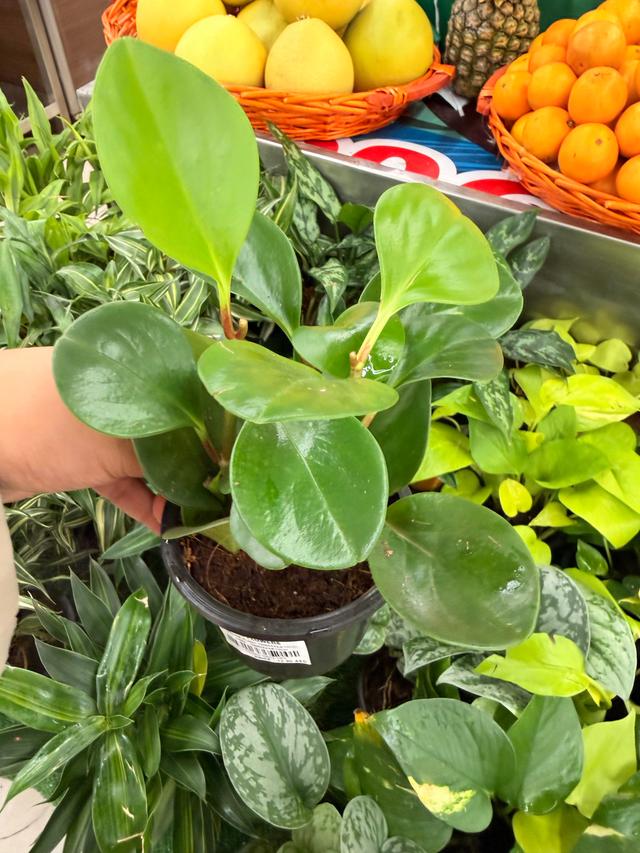
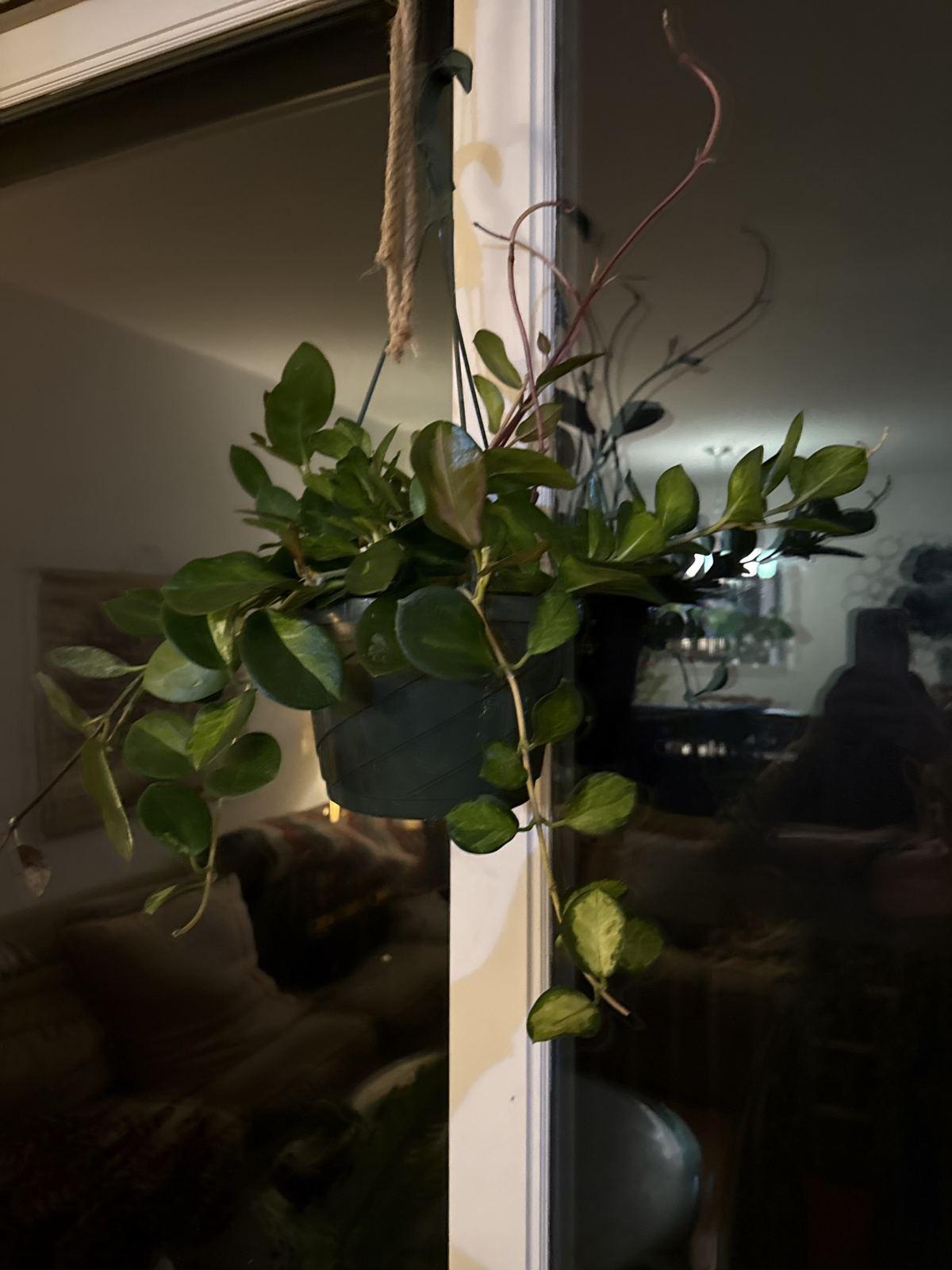
Cupid peperomia is a compact trailing houseplant with glossy, slightly succulent leaves on slender vine-like stems. It grows well in hanging baskets or on a shelf where its stems can cascade gracefully. Variegated forms may show creamy or pale-green leaf markings and pinkish new growth.
Safety
Toxicity information is AI-generated and may be inaccurate. Always check with a vet or doctor before relying on it around children or pets.
Perks
Basic info
- Family
- Piperaceae
- Genus
- Peperomia
- Plant type
- Trailing perennial
- Native region
- Tropical Central and South America
- Difficulty
- Easy
Fun fact
Despite its delicate look, peperomias store water in their leaves and stems, which helps them handle missed waterings better than many tropical vines.
Care profile
Difficulty
Easy
Toughness
Medium
Maintenance
Low
Watering
Every 1-2 wks
Care tips
- 1
Let the top inch or two of soil dry before watering.
- 2
Use a loose, well-draining mix to prevent root rot.
- 3
Rotate the plant occasionally for even growth and fuller vines.
Common problems
Root rot Moderate
Leaves may yellow and stems may soften if the soil stays wet too long; allow the mix to dry more between waterings and ensure drainage.
Read our root rot guide →Leggy growth Mild
Long, sparse vines usually mean the plant needs brighter indirect light; move it closer to a window without direct harsh sun.
Read our leggy growth guide →Leaf drop Mild
Sudden drops can happen from overwatering, underwatering, or cold drafts; stabilize watering and keep it away from chilly windows.
Read our leaf drop guide →History
Peperomias are a large group of tropical plants native mainly to the Americas, with many species adapted to warm, shaded forest environments. Peperomia scandens became popular as a houseplant because its trailing habit and easy care make it ideal for hanging planters and small indoor spaces.
Popular questions
How often should I water Cupid peperomia?
Water when the top 1-2 inches of soil feels dry, then water thoroughly and let excess drain away. It prefers drying slightly between waterings, so it's better to underwater than keep it constantly moist.
Why are the leaves turning yellow or the stems getting mushy?
Yellow leaves and soft stems are most often a sign of overwatering or poor drainage. Check the roots, remove any rotted sections, and repot into a lighter mix with a pot that has drainage holes.
How do I propagate Cupid peperomia?
Stem cuttings root easily in water or directly in moist potting mix. Cut just below a node, remove the lower leaves, and keep the cutting in warm bright indirect light until roots form.