 Easy care
 Shared by a Gardeno user
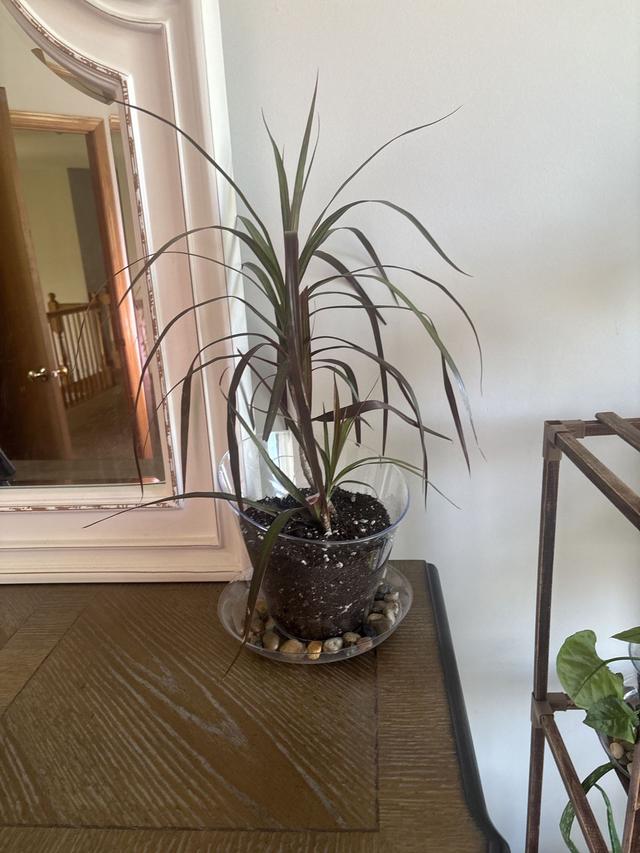
Mexican Grass Tree
Dasylirion longissimum
Also known as: Sotol, Mexican sotol, Desert spoon
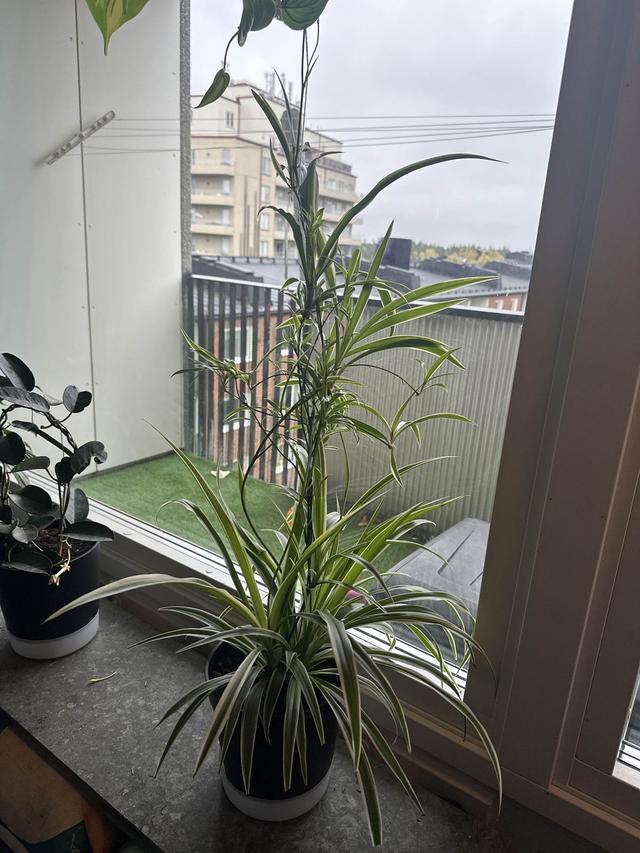
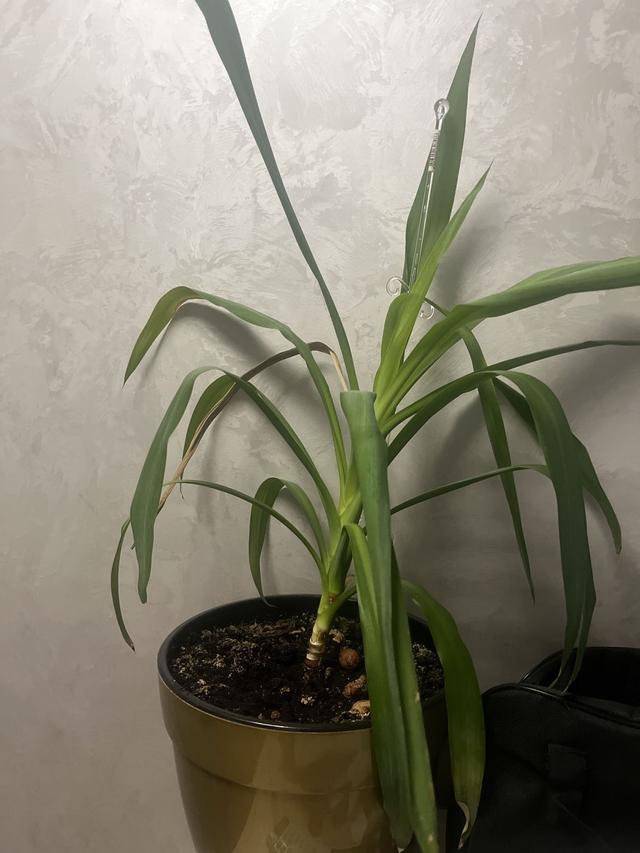
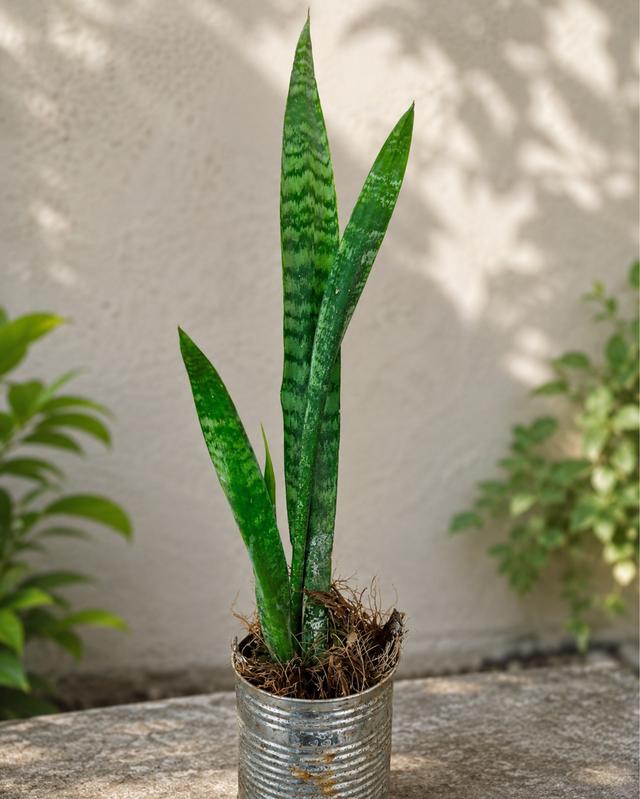
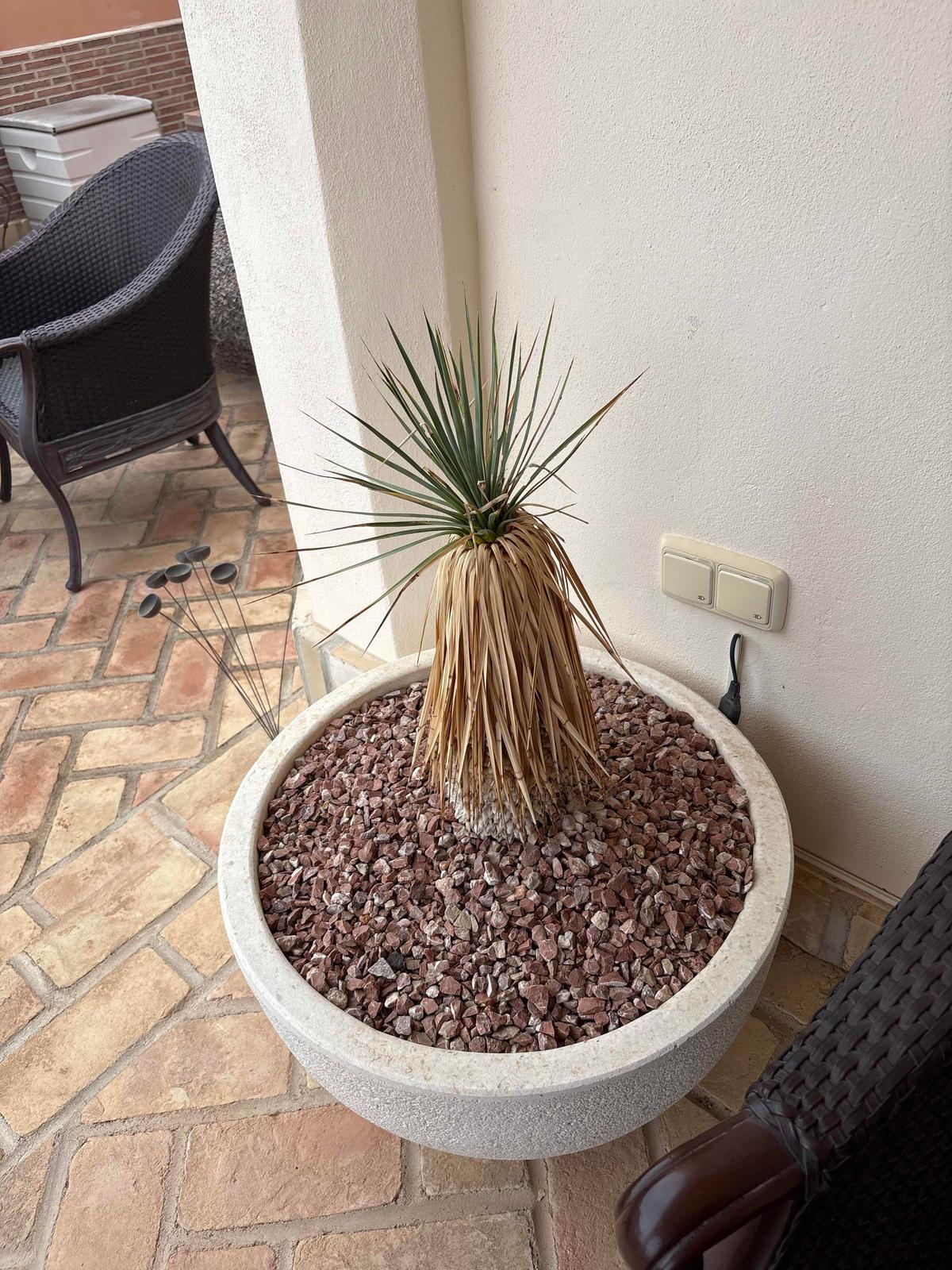
Mexican grass tree is a slow-growing, drought-tolerant ornamental with a dense rosette of very narrow, arching leaves and a trunk often wrapped in dried leaf bases. It creates a striking architectural look and is especially suited to hot, sunny landscapes and containers with excellent drainage.
Safety
Toxicity information is AI-generated and may be inaccurate. Always check with a vet or doctor before relying on it around children or pets.
Perks
Basic info
- Family
- Asparagaceae
- Genus
- Dasylirion
- Plant type
- Succulent
- Native region
- Northern Mexico
- Difficulty
- Easy
Fun fact
Its stiff, narrow leaves are so uniform that it is sometimes mistaken for a giant ornamental grass, even though it is actually a desert succulent relative.
Care profile
Difficulty
Easy
Toughness
High
Maintenance
Low
Watering
Every 2-3 wks
Care tips
- 1
Plant in very fast-draining soil and avoid soggy conditions
- 2
Water deeply, then let soil dry out between waterings
- 3
Remove only fully dead lower leaves to preserve its natural form
Common problems
Root rot Severe
Caused by overwatering or poor drainage; reduce watering and improve soil drainage immediately.
Read our root rot guide →Leaf browning Moderate
Older lower leaves naturally dry up, but widespread browning can mean drought stress or salt buildup; trim dead leaves and flush the soil occasionally.
Read our brown leaf tips guide →Pest infestation Mild
Occasional scale or mealybugs may hide at the crown; treat with horticultural oil or insecticidal soap.
History
Dasylirion longissimum comes from arid regions of northern Mexico, where it evolved to handle intense sun, poor soils, and long dry periods. It has become popular in modern landscape design because of its sculptural, fountain-like form and its reputation as a tough xeric plant.
Popular questions
How often should I water a Mexican Grass Tree?
Water sparingly and only after the potting mix has dried out well; in warm weather that is often every 2-3 weeks, and much less in winter. Containers need excellent drainage because this plant is far more likely to suffer from too much water than too little.
Why are the lower leaves turning brown and crispy?
The lowest leaves naturally age, dry, and hang down as the plant grows, so some browning is normal. If browning is happening throughout the plant, check for underwatering, salt buildup, or root rot from excess moisture; adjust care based on the soil condition.
How do I propagate a Mexican Grass Tree?
Propagation is usually done from seed, because this plant does not readily produce offsets like some succulents. Seed germination can be slow, but fresh seed in warm, well-drained medium gives the best results.