 Easy care
 Shared by a Gardeno user
Garden Mum
Chrysanthemum morifolium
Also known as: Mums, Florist's Chrysanthemum
Garden Mums are popular fall-blooming perennials known for their vibrant, diverse flowers. They feature deeply lobed, often aromatic leaves and a bushy growth habit. Though perennial, they are often treated as annuals in many regions due to their sensitivity to harsh winters.
Safety
Toxicity information is AI-generated and may be inaccurate. Always check with a vet or doctor before relying on it around children or pets.
Perks
Basic info
- Family
- Asteraceae
- Genus
- Chrysanthemum
- Plant type
- Perennial
- Native region
- East Asia
- Difficulty
- Easy
Fun fact
Chrysanthemums are the official flower of November and symbolize joy and longevity in many cultures, particularly in East Asia.
Care profile
Difficulty
Easy
Toughness
Medium
Maintenance
Medium
Watering
Weekly
Care tips
- 1
Plant in well-draining soil.
- 2
Pinch back stems in spring for bushier growth.
- 3
Deadhead spent blooms to encourage more flowers.
Common problems
Powdery Mildew Moderate
White powdery spots on leaves, caused by high humidity. Improve air circulation and use fungicides if severe.
Read our powdery mildew guide →Aphids Mild
Small insects sucking sap from new growth, causing distortion. Spray with insecticidal soap or a strong stream of water.
Read our aphids guide →Yellowing Leaves Mild
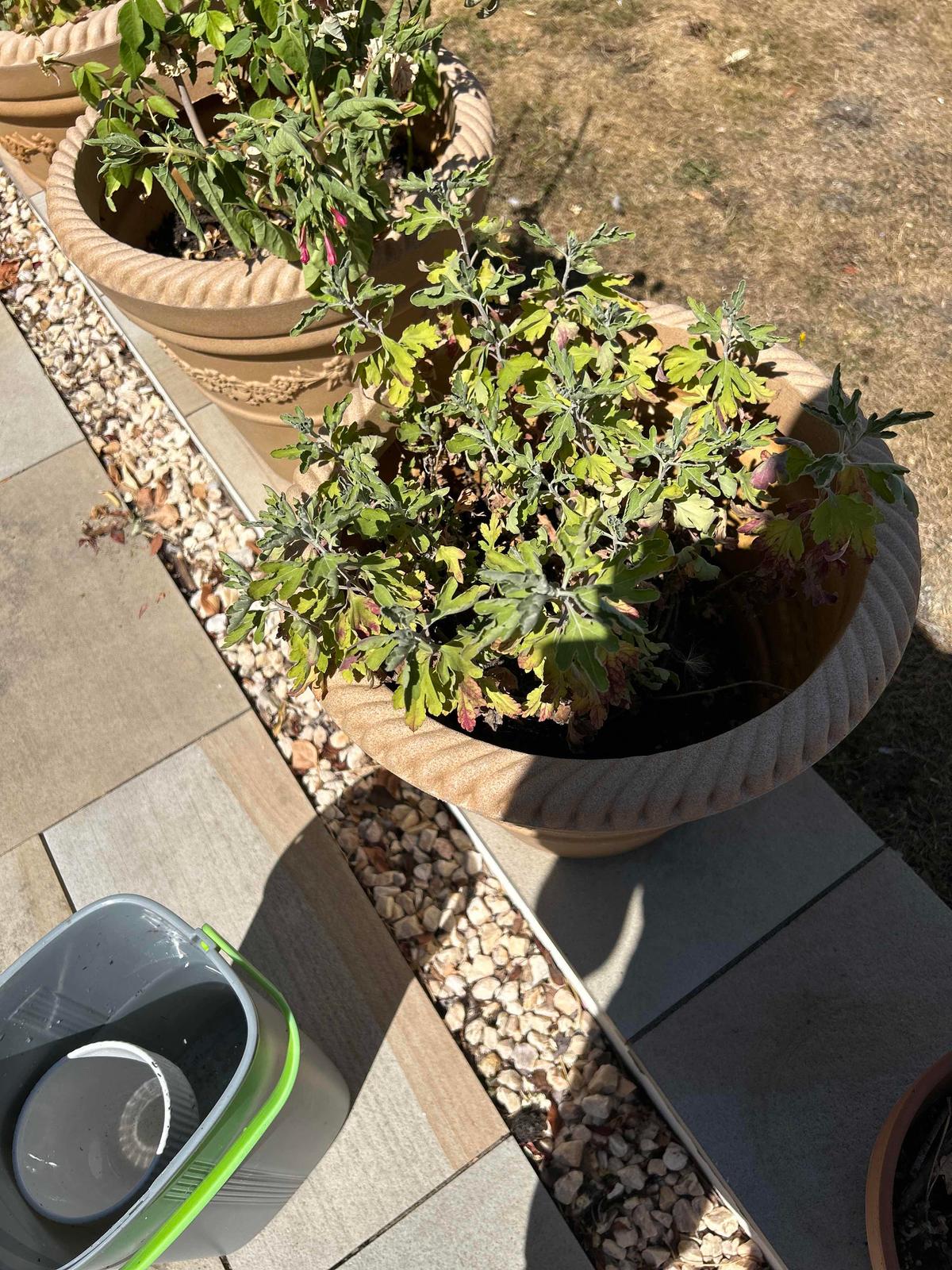
Often due to overwatering, underwatering, or nutrient deficiency. Check soil moisture and fertilize if needed.
Read our yellow leaves guide →History
Chrysanthemums originated in China over 3,000 years ago, where they were initially cultivated as a medicinal herb. They were introduced to Japan in the 8th century and became a symbol of the Imperial family. The flower arrived in Europe in the 17th century and gained popularity as an ornamental plant.
Popular questions
How often should I water my garden mums?
Garden mums prefer consistently moist soil, especially during their blooming period. Water thoroughly when the top inch of soil feels dry, typically once or twice a week depending on weather and pot size. Ensure good drainage to prevent root rot, as soggy soil can be detrimental.
Why are my mum's leaves turning yellow or brown?
Yellowing or browning leaves can indicate several issues, including overwatering, underwatering, or nutrient deficiencies. Check the soil moisture; if it's soggy, reduce watering, if it's bone dry, water more. Ensure adequate drainage and consider a balanced fertilizer if nutrient deficiency is suspected, especially if the plant has been in the same pot for a while.
How can I propagate my garden mums?
Garden mums can be easily propagated from stem cuttings in spring or early summer. Take 4-6 inch cuttings from healthy, non-flowering stems, remove lower leaves, and root them in moist potting mix or water. They can also be divided in spring by carefully separating clumps with roots.