 Easy care
 Shared by a Gardeno user
Wax Begonia
Begonia semperflorens
Also known as: Bedding Begonia, Fibrous Begonia
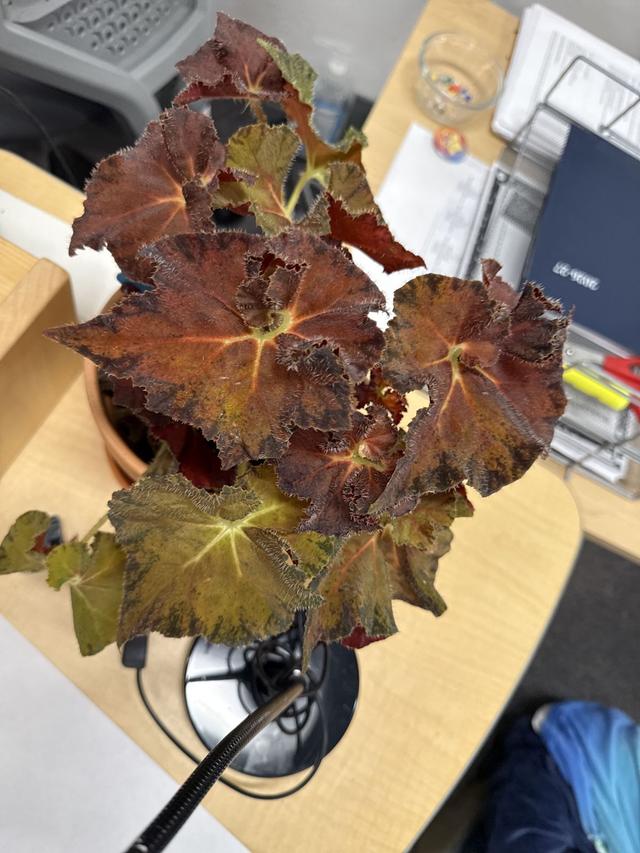
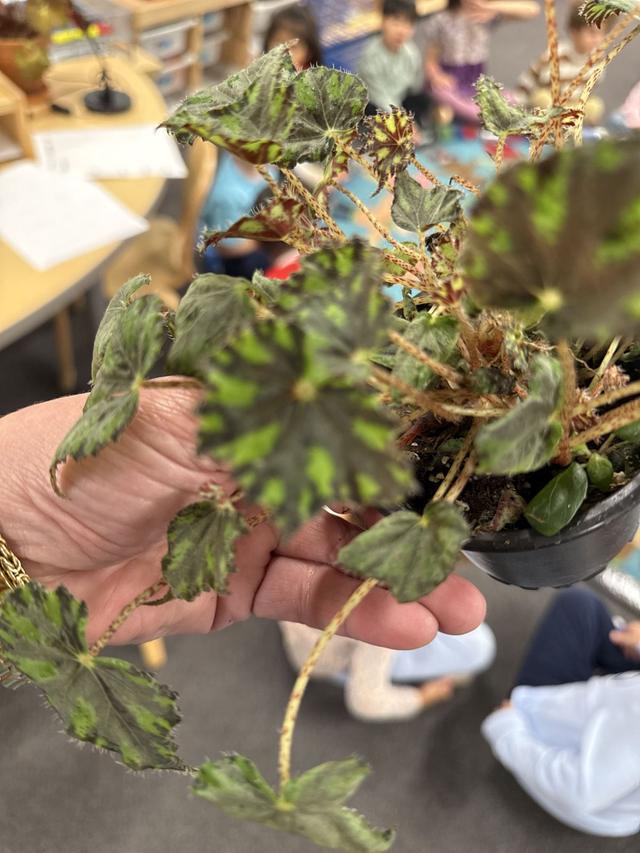
Wax Begonias are popular bedding plants known for their continuous bloom and waxy, often bronze or green leaves. They form compact mounds, providing vibrant color throughout the growing season. These plants are widely used in gardens and containers for their reliable performance.
Safety
Toxicity information is AI-generated and may be inaccurate. Always check with a vet or doctor before relying on it around children or pets.
Perks
Basic info
- Family
- Begoniaceae
- Genus
- Begonia
- Plant type
- Annual
- Native region
- South America
- Difficulty
- Easy
Fun fact
The genus Begonia is named after Michel Bégon, a former governor of the French colony of Saint-Domingue (now Haiti).
Care profile
Difficulty
Easy
Toughness
Medium
Maintenance
Low
Watering
Weekly, Bi-weekly
Care tips
- 1
Plant in well-draining soil
- 2
Water consistently, but avoid overwatering
- 3
Deadhead spent blooms for more flowers
Common problems
Powdery Mildew Moderate
White powdery spots on leaves, often due to high humidity. Improve air circulation and use a fungicide if severe.
Read our powdery mildew guide →Root Rot Severe
Caused by overwatering and poor drainage, leading to wilting and mushy stems. Ensure well-draining soil and proper watering practices.
Read our root rot guide →Leggy Growth Mild
Stems become long and sparse, often due to insufficient light. Prune back to encourage bushier growth and move to a brighter spot.
Read our leggy growth guide →History
Originating from the tropical and subtropical regions of South America, Begonia semperflorens was introduced to Europe in the 19th century. It quickly became a favorite for its ability to flower profusely and tolerate various conditions, making it a staple in formal gardens and public displays. Its ease of care and vibrant colors have ensured its enduring popularity.
Popular questions
How often should I water my Wax Begonia?
Wax Begonias prefer consistently moist soil but dislike being waterlogged. Water thoroughly when the top inch of soil feels dry to the touch, typically every 1-2 weeks depending on weather and soil type. Reduce frequency in cooler, shadier conditions to prevent root rot.
Why are my Wax Begonia leaves turning yellow?
Yellowing leaves can indicate several issues. Overwatering is a common cause, leading to root rot. Ensure good drainage and let the soil dry slightly between waterings. It could also be a nutrient deficiency or insufficient light, so consider a balanced fertilizer and appropriate sun exposure.
Can I propagate Wax Begonias?
Yes, Wax Begonias are easily propagated from stem cuttings. Take a 3-4 inch cutting from a healthy stem, remove lower leaves, and place it in moist potting mix or water. Roots typically form within a few weeks, after which it can be transplanted into its own pot or garden spot.