 Easy care
 Shared by a Gardeno user
Purple Shamrock
Oxalis triangularis
Also known as: False Shamrock, Love Plant, Butterfly Plant
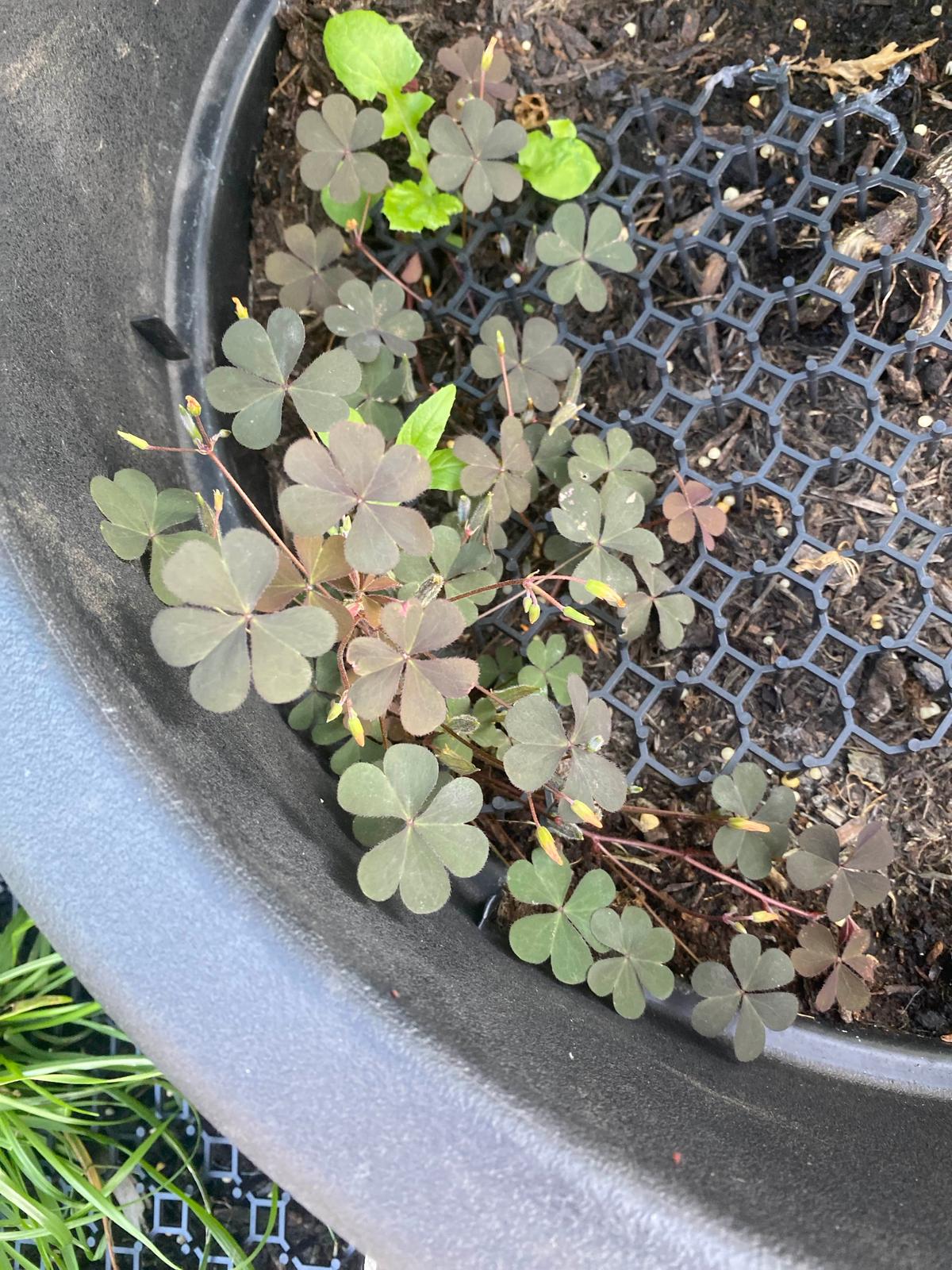
The Purple Shamrock is a striking plant known for its deep purple, triangular leaves that fold up at night and open in the morning. It produces delicate white or pink flowers, adding to its charm. This plant is often grown for its unique foliage and dynamic movement.
Safety
Toxicity information is AI-generated and may be inaccurate. Always check with a vet or doctor before relying on it around children or pets.
Perks
Basic info
- Family
- Oxalidaceae
- Genus
- Oxalis
- Plant type
- Perennial
- Native region
- Brazil
- Difficulty
- Easy
Fun fact
Its leaves exhibit nyctinasty, meaning they fold up at night or when stressed, resembling a cluster of butterflies.
Care profile
Difficulty
Easy
Toughness
Medium
Maintenance
Low
Watering
When top soil dry
Care tips
- 1
Provide bright, indirect light to maintain vibrant leaf color.
- 2
Allow the top inch of soil to dry out between waterings.
- 3
Fertilize sparingly during the growing season (spring/summer).
Common problems
Leggy growth Mild
Insufficient light can cause stems to stretch. Move to a brighter spot or prune back to encourage bushier growth.
Read our leggy growth guide →Drooping leaves Mild
Often a sign of underwatering or too much direct sun. Check soil moisture and adjust watering, or move to a shadier location.
Pests (spider mites) Moderate
Small pests can appear in dry conditions. Increase humidity and treat with insecticidal soap.
Read our spider mites guide →History
Native to Brazil, Oxalis triangularis has been cultivated for its ornamental value for centuries. Its distinctive leaf movement and vibrant color have made it a popular houseplant worldwide. It's often associated with St. Patrick's Day due to its shamrock-like leaves, though it's not a true shamrock.
Popular questions
How often should I water my Purple Shamrock?
Water your Purple Shamrock when the top inch of soil feels dry to the touch. It prefers consistently moist but not waterlogged soil. Reduce watering significantly during its dormant period, usually in winter.
Why are my Purple Shamrock leaves turning yellow or drooping?
Yellowing leaves can indicate overwatering or nutrient deficiency, while drooping often points to underwatering or excessive direct sunlight. Check your watering schedule and ensure the plant is in bright, indirect light. Adjust as needed.
How can I propagate my Oxalis triangularis?
Purple Shamrocks are easily propagated from their small rhizomes (bulb-like structures) found in the soil. Gently divide the rhizomes during repotting and plant them in fresh potting mix. They will sprout new foliage relatively quickly.