 Shared by a Gardeno user
Lemon Tree
Citrus limon
Also known as: Lemon, Citrus Lemon
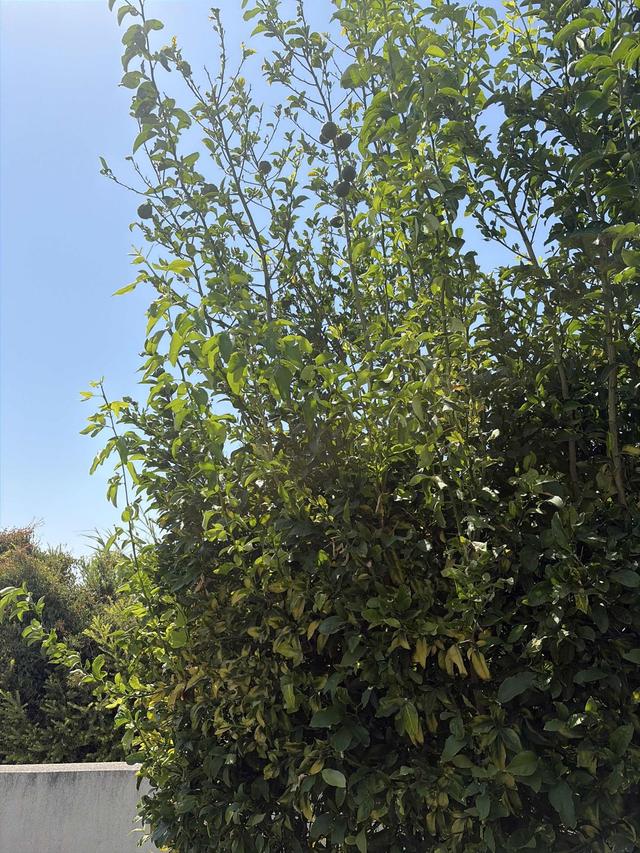
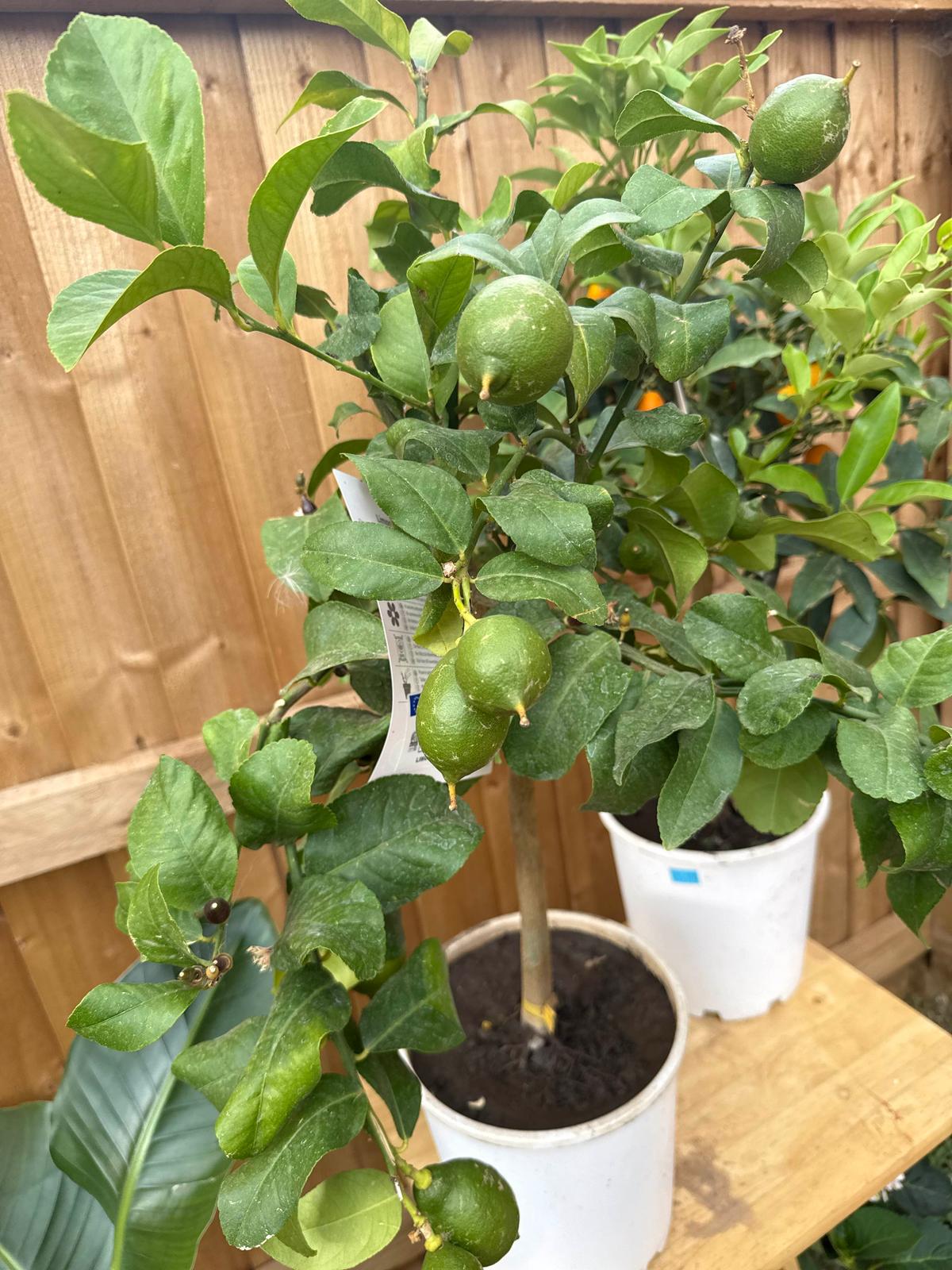
The Lemon Tree is a small evergreen tree known for its vibrant yellow, acidic fruit. It features glossy green leaves and fragrant white flowers that bloom throughout the year, often alongside developing fruit. This tree is a popular choice for both garden and container growing due to its ornamental and productive qualities.
Safety
Toxicity information is AI-generated and may be inaccurate. Always check with a vet or doctor before relying on it around children or pets.
Perks
Basic info
- Family
- Rutaceae
- Genus
- Citrus
- Plant type
- Fruit Tree
- Native region
- Asia
- Difficulty
- Moderate
Fun fact
Lemons are believed to be a hybrid of bitter orange and citron, first cultivated in Northeast India, northern Myanmar, or China.
Care profile
Difficulty
Moderate
Toughness
Medium
Maintenance
Medium
Watering
When topsoil dry
Care tips
- 1
Ensure at least 6-8 hours of direct sunlight daily for optimal fruit production.
- 2
Water deeply when the top 1-2 inches of soil feel dry, allowing excess to drain.
- 3
Fertilize regularly with a citrus-specific fertilizer, especially during growing seasons.
Common problems
Yellowing Leaves Moderate
Often caused by nutrient deficiency (especially iron or nitrogen) or improper watering. Ensure balanced citrus fertilizer and consistent watering.
Read our yellow leaves guide →Fruit Drop Mild
Can be due to stress from inconsistent watering, temperature fluctuations, or nutrient deficiencies. Maintain stable conditions and proper feeding.
Pests (Aphids, Scale) Moderate
Small insects can infest leaves and stems. Treat with horticultural oil or insecticidal soap, ensuring good air circulation.
Read our aphids guide →History
Lemons have a long and fascinating history, originating in Asia and spreading to the Middle East and Europe by the 1st century AD. They were highly valued by sailors for preventing scurvy and became a staple in many cuisines. Today, they are one of the most widely cultivated citrus fruits globally.
Popular questions
How often should I water my potted lemon tree?
Water your potted lemon tree deeply when the top 1-2 inches of soil feel dry to the touch. Ensure the pot has good drainage to prevent root rot. During hot, dry periods, this might mean watering every few days, while in cooler months, it could be less frequent.
Why are the leaves on my lemon tree turning yellow?
Yellowing leaves on a lemon tree can indicate several issues, most commonly nutrient deficiencies (like iron or nitrogen) or improper watering. Ensure you are using a balanced citrus-specific fertilizer regularly and maintaining consistent soil moisture. Check for good drainage and avoid overwatering.
How can I propagate a lemon tree?
Lemon trees can be propagated from seeds, though they may not produce fruit true to the parent plant, or from cuttings. For cuttings, take a 6-8 inch section of semi-hardwood stem, remove lower leaves, dip in rooting hormone, and plant in a well-draining potting mix. Keep the soil moist and provide warmth and humidity.