 Easy care
 Shared by a Gardeno user
Collard greens
Brassica oleracea var. viridis
Also known as: Collards, Tree cabbage
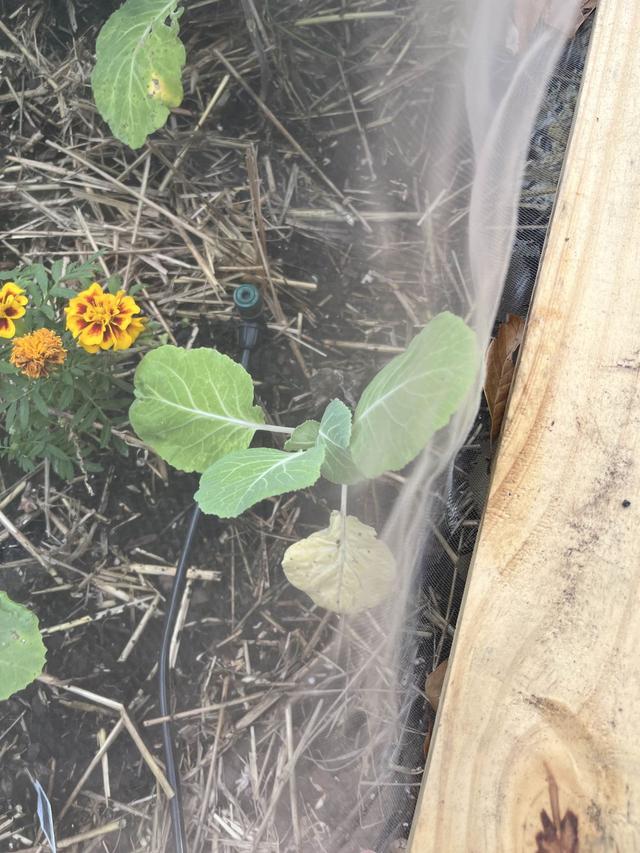
Collard greens are a cool-season leafy brassica grown for their large, thick, edible leaves. They are hardy, productive, and become sweeter after light frost.
Safety
Toxicity information is AI-generated and may be inaccurate. Always check with a vet or doctor before relying on it around children or pets.
Perks
Basic info
- Family
- Brassicaceae
- Genus
- Brassica
- Plant type
- Leafy vegetable
- Native region
- Eastern Mediterranean
- Difficulty
- Easy
Fun fact
Collard greens often taste sweeter after a light frost because cold converts some starches into sugars.
Care profile
Difficulty
Easy
Toughness
High
Maintenance
Low
Watering
Weekly
Care tips
- 1
Plant in rich, well-drained soil with plenty of compost.
- 2
Keep the soil evenly moist for tender, leafy growth.
- 3
Harvest outer leaves first to encourage continued production.
Common problems
Cabbage worms Moderate
Small green caterpillars chew holes in leaves; inspect undersides and remove by hand or use row covers.
Aphids Mild
Clusters of tiny insects can curl and weaken leaves; spray off with water or use insecticidal soap.
Read our aphids guide →Downy mildew Moderate
Yellow patches and fuzzy growth can appear in humid conditions; improve spacing and avoid overhead watering.
History
Collard greens are an ancient form of Brassica oleracea, the same species group that produced cabbage, kale, broccoli, and cauliflower. They have long been grown in the Mediterranean and later became especially important in African, Southern U.S., and Caribbean cuisines.
Popular questions
How often should I water collard greens?
Water deeply about once a week, or more often during hot, dry weather, to keep the soil consistently moist. Uneven watering can make leaves tough and reduce growth, so a steady moisture level is best.
Why are my collard leaves turning yellow or getting holes?
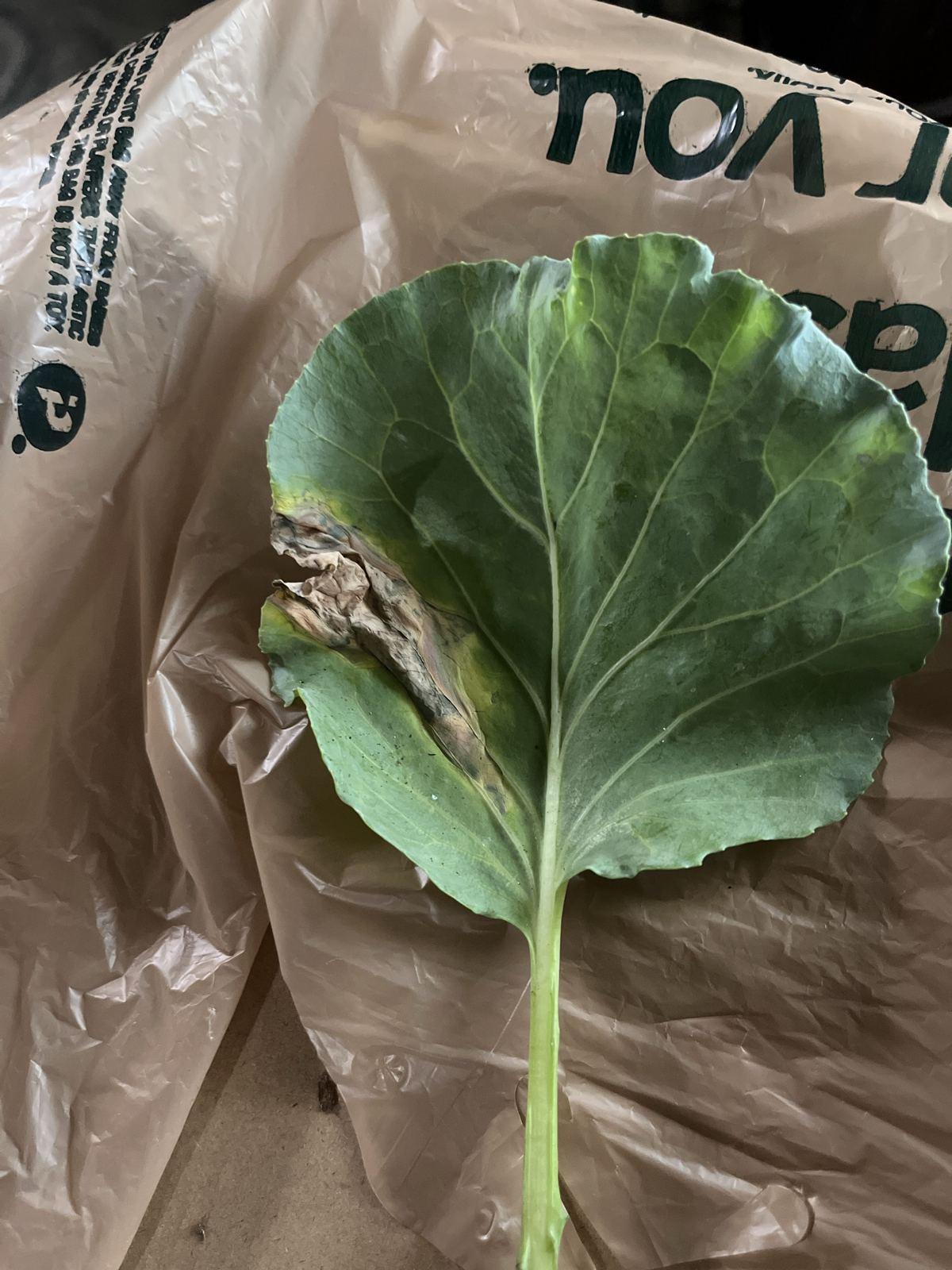
Yellowing is often caused by nutrient deficiency, overwatering, or poor drainage, while holes usually point to pests like cabbage worms or beetles. Check the undersides of leaves, feed with compost or a balanced fertilizer, and keep the soil evenly moist but not soggy.
Can collard greens be propagated from cuttings?
Collard greens are usually grown from seed rather than cuttings. You can save seed from mature plants that bolt and flower, but the easiest way to grow them again is to sow fresh seed directly or start seedlings indoors.