 Easy care
 Shared by a Gardeno user
Cabbage
Brassica oleracea var. capitata
Also known as: Head cabbage, Garden cabbage
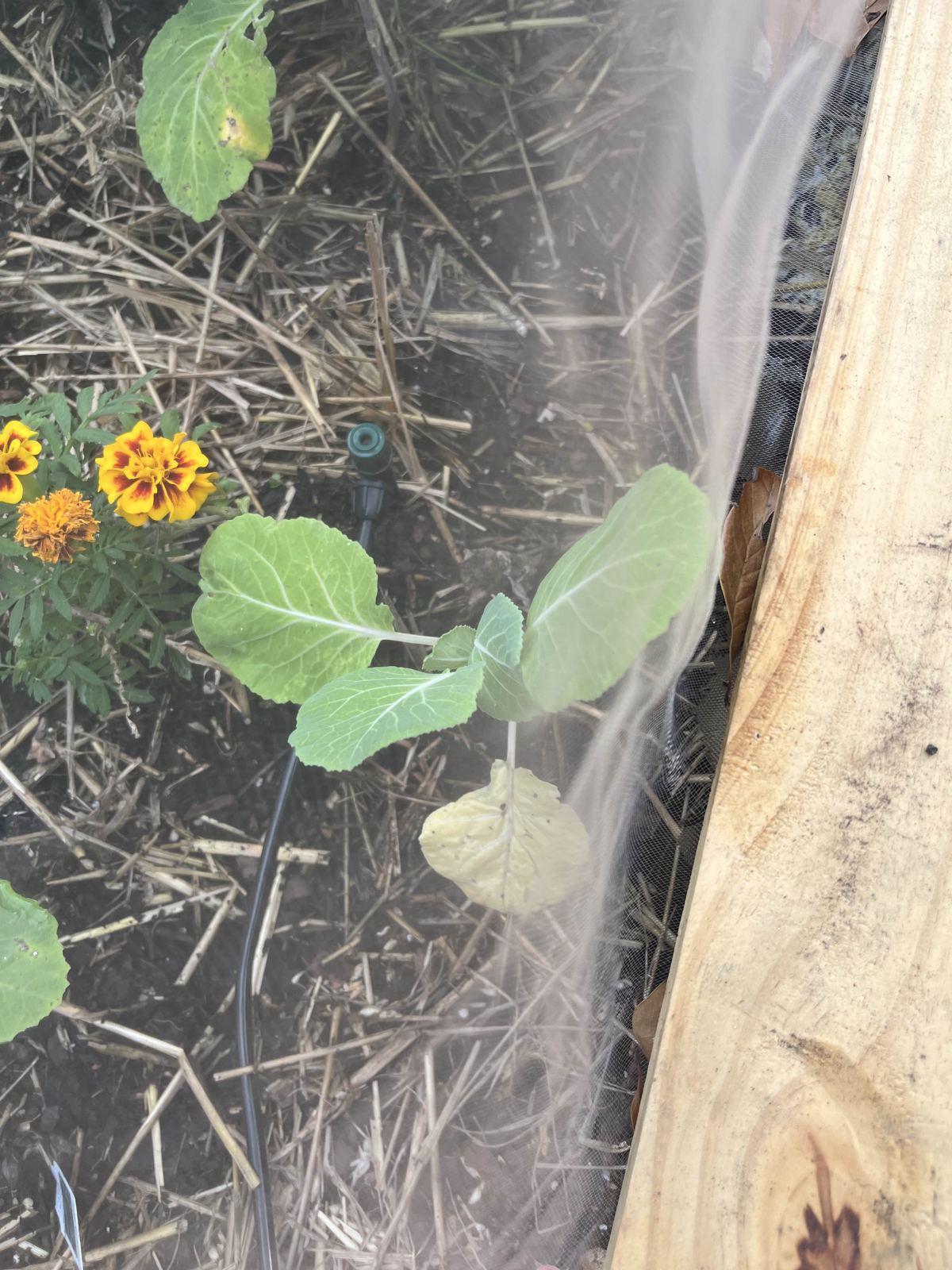
This looks like a young brassica seedling, most likely cabbage, with broad blue-green leaves and a pale central stem. Brassicas grow best in cool weather and form compact heads as they mature.
Safety
Toxicity information is AI-generated and may be inaccurate. Always check with a vet or doctor before relying on it around children or pets.
Perks
Basic info
- Family
- Brassicaceae
- Genus
- Brassica
- Plant type
- Vegetable
- Native region
- Mediterranean Europe
- Difficulty
- Easy
Fun fact
Cabbage has been cultivated for thousands of years and was prized by ancient Romans for both food and medicine.
Care profile
Difficulty
Easy
Toughness
Medium
Maintenance
Medium
Watering
Weekly
Care tips
- 1
Keep soil evenly moist
- 2
Protect from cabbage worms
- 3
Feed with nitrogen-rich compost
Common problems
Cabbage worms Moderate
Chewed leaves and small green caterpillars are common; use row cover or hand-pick pests.
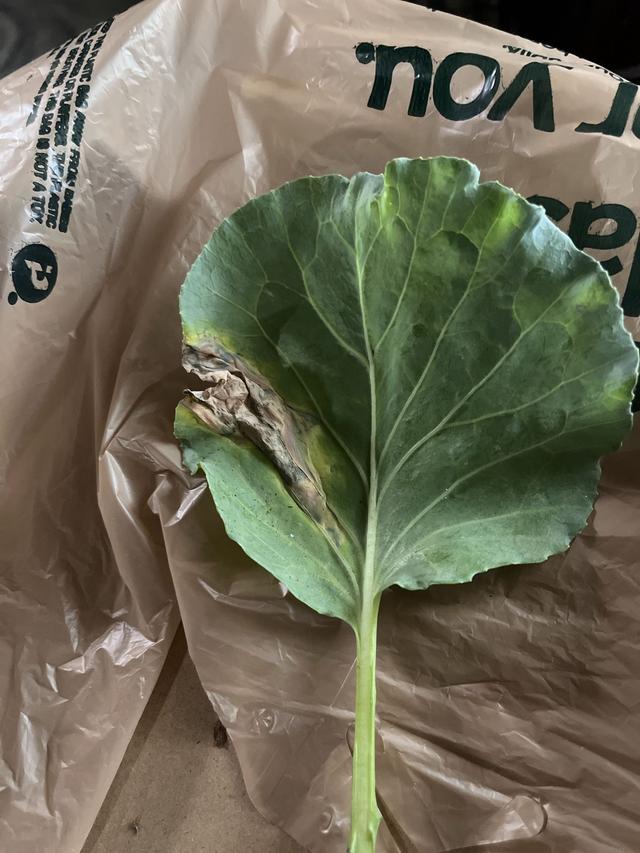
Yellowing lower leaves Mild
Older leaves can yellow from low nitrogen or inconsistent watering; feed and keep moisture steady.
Read our yellow leaves guide →Clubroot Severe
Stunted growth and wilt can signal clubroot; improve drainage and rotate crops away from brassicas.
History
Cabbage was developed from wild Brassica plants along the coasts of Europe and was selectively bred into many familiar vegetables, including kale, broccoli, and cauliflower. It became a staple crop in Europe because it stores well and grows reliably in cool seasons.
Popular questions
How often should I water cabbage seedlings?
Water deeply enough to keep the soil consistently moist, especially while the plant is young and establishing roots. Avoid letting the bed dry out, because irregular watering can slow growth and affect head formation.
Why are my cabbage leaves turning yellow?
Yellowing can come from nitrogen deficiency, overwatering, or natural aging of the oldest leaves. Check that the soil drains well, feed lightly with compost or a balanced fertilizer, and remove only fully dead leaves.
How do I propagate cabbage?
Cabbage is usually propagated from seed rather than cuttings. Start seeds indoors or sow directly in cool weather, then transplant seedlings once they have several true leaves.