 Easy care
 Shared by a Gardeno user
Crossvine
Bignonia capreolata
Also known as: Trumpet vine, Bignonia
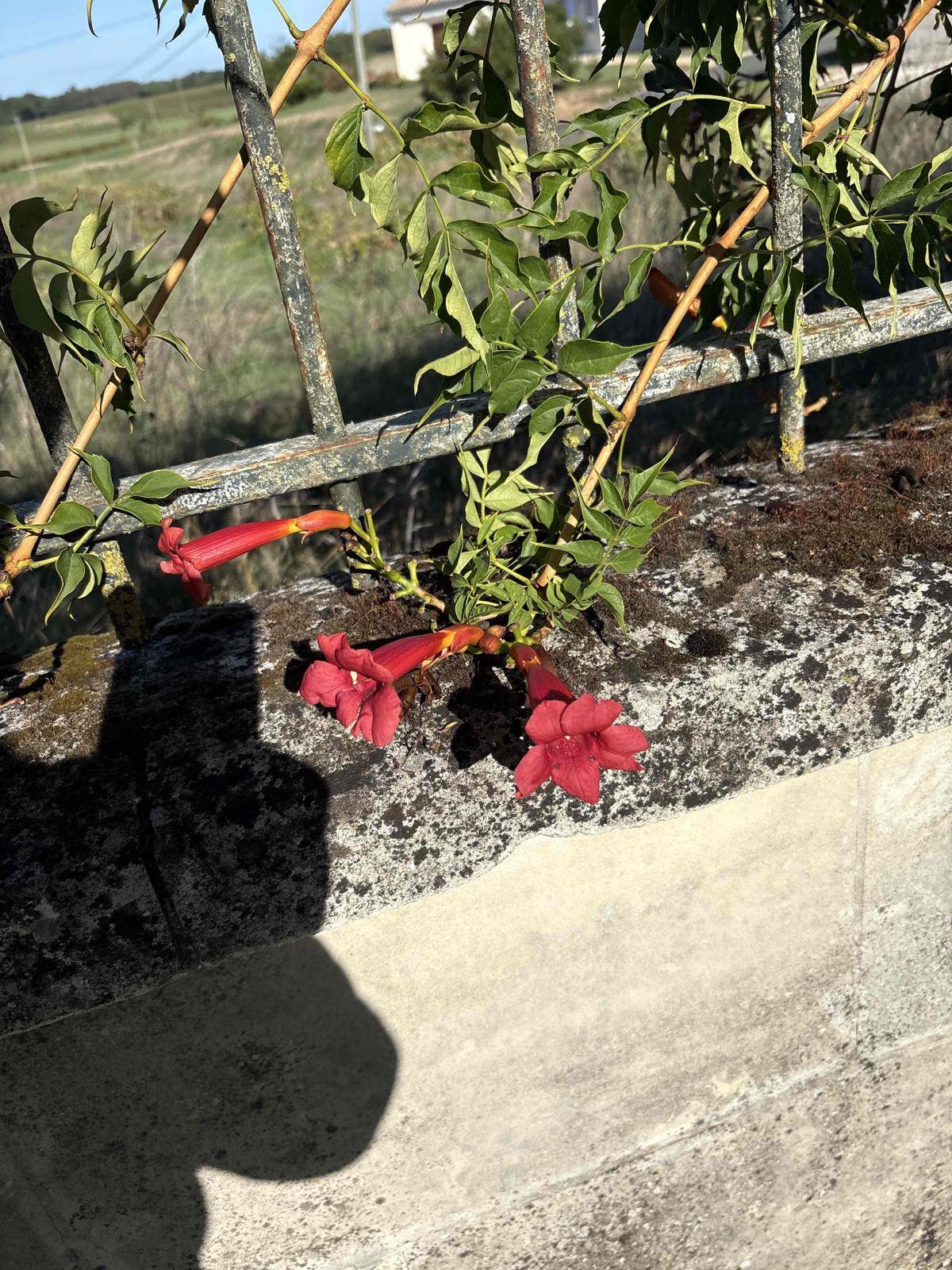
Crossvine is a vigorous climbing vine known for its showy trumpet-shaped flowers and evergreen to semi-evergreen foliage in mild climates. It can quickly cover fences, trellises, and walls, and is especially attractive to hummingbirds and other pollinators.
Safety
Toxicity information is AI-generated and may be inaccurate. Always check with a vet or doctor before relying on it around children or pets.
Perks
Basic info
- Family
- Bignoniaceae
- Genus
- Bignonia
- Plant type
- Tropical vine
- Native region
- Southeastern United States
- Difficulty
- Easy
Fun fact
The name "crossvine" comes from the cross-shaped pattern that can appear in the stem when it is cut in cross section.
Care profile
Difficulty
Easy
Toughness
High
Maintenance
Medium
Watering
Every 1-2 wks
Care tips
- 1
Plant in well-drained soil
- 2
Give sturdy support
- 3
Prune after flowering
Common problems
Leggy growth Mild
Too much shade can reduce flowering and cause long, sparse stems; move it to brighter sun or prune to encourage branching.
Read our leggy growth guide →Root rot Moderate
Overwatering or poorly drained soil can rot the roots; let soil dry slightly and improve drainage.
Read our root rot guide →Overgrowth Moderate
This vine can spread aggressively and smother nearby plants; keep it trimmed and train stems early.
History
Crossvine has long been grown in warm parts of North America for its reliable spring bloom and ability to climb trees, fences, and masonry. It became a popular ornamental because it stays attractive with relatively little care and provides an early nectar source for hummingbirds.
Popular questions
How much water does crossvine need?
Water newly planted crossvine regularly until it establishes, then reduce to occasional deep watering. Once mature, it is fairly drought tolerant and usually only needs water every 1-2 weeks during dry spells.
Why are my crossvine leaves yellowing or the vine not blooming?
Yellowing often points to overwatering, poor drainage, or nutrient imbalance, while weak blooming is commonly caused by too much shade. Check soil moisture first, then make sure the vine gets plenty of sun and avoid heavy nitrogen fertilizer.
How do I propagate crossvine?
Crossvine is commonly propagated from semi-hardwood stem cuttings in summer. You can also try layering a flexible stem into soil until it roots, then separate it from the parent plant.