 Easy care
 Shared by a Gardeno user
African lily
Agapanthus praecox
Also known as: Lily of the Nile, Blue lily
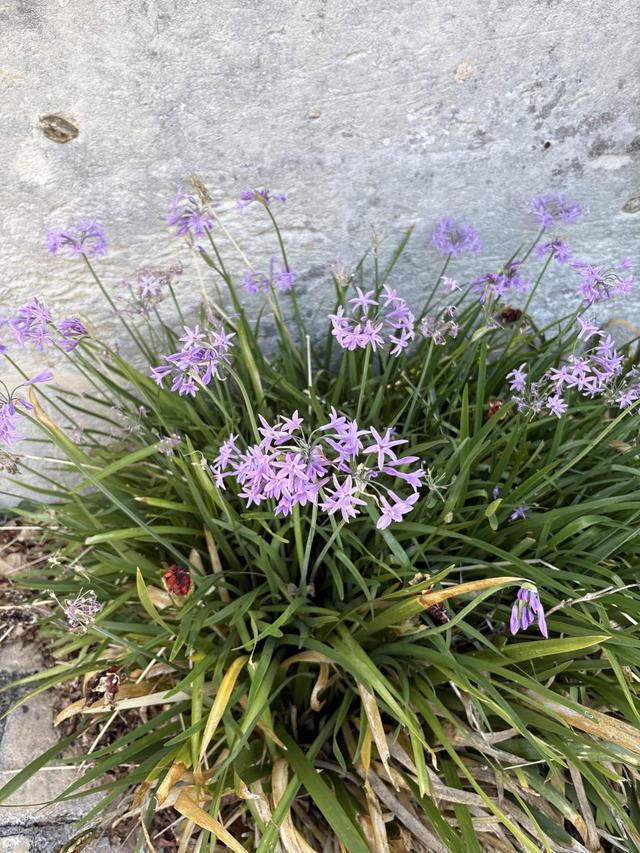
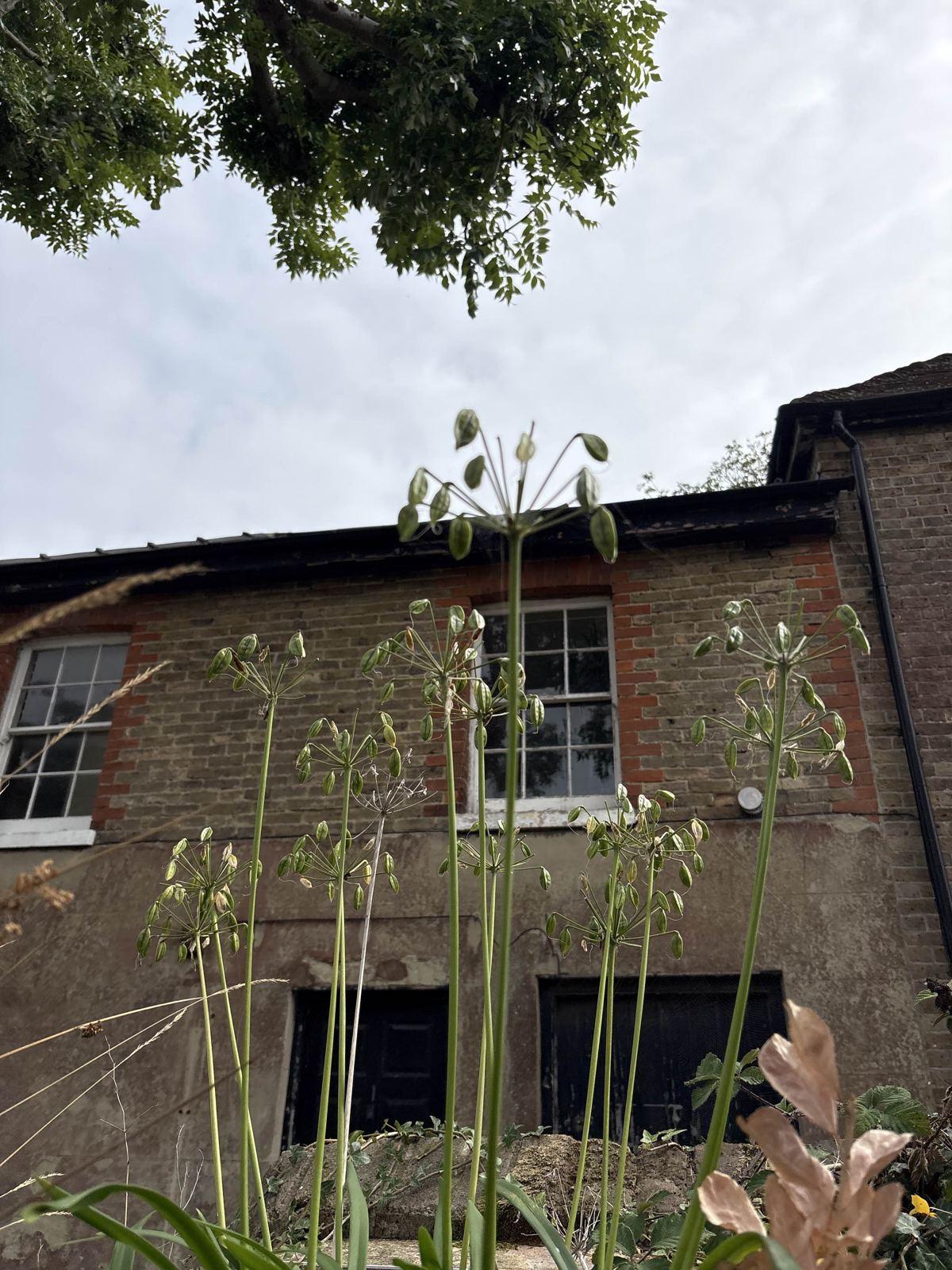
African lily is a clump-forming perennial known for its tall flower stalks topped with spherical clusters of blue or white blooms. After flowering, it often leaves behind decorative seed heads like the ones shown in the image.
Safety
Toxicity information is AI-generated and may be inaccurate. Always check with a vet or doctor before relying on it around children or pets.
Perks
Basic info
- Family
- Amaryllidaceae
- Genus
- Agapanthus
- Plant type
- Perennial
- Native region
- South Africa
- Difficulty
- Easy
Fun fact
Its name comes from Greek words meaning 'love flower,' and the spent seed heads can stay attractive for weeks after bloom.
Care profile
Difficulty
Easy
Toughness
High
Maintenance
Low
Watering
Weekly
Care tips
- 1
Plant in well-draining soil
- 2
Water regularly in summer
- 3
Divide crowded clumps every few years
Common problems
Root rot Moderate
Overwatering or poorly drained soil can rot the fleshy roots; improve drainage and water less often.
Read our root rot guide →Leaf yellowing Mild
Yellow leaves often point to excess water, poor drainage, or nutrient imbalance; let soil dry slightly and feed lightly in spring.
Read our yellow leaves guide →Few blooms Mild
Too much shade or overcrowded clumps can reduce flowering; move to brighter light and divide mature plants.
History
Agapanthus is native to southern Africa and became widely cultivated for its striking summer flower heads and tough growth habit. It has long been a favorite in ornamental gardens and is often planted in borders, mass displays, and containers for its architectural look.
Popular questions
How often should I water African lily?
Water regularly while it is actively growing, especially during hot or dry periods, but allow the soil to dry slightly between waterings. Once established, it is fairly drought tolerant and dislikes soggy soil.
Why are my African lily leaves turning yellow?
Yellowing is often caused by overwatering, poor drainage, or the plant being crowded in a pot or clump. Check that the soil drains well, reduce watering, and divide the plant if roots are packed tightly.
How do I propagate African lily?
The easiest method is division of mature clumps in spring or early autumn. You can also grow it from seed, but that takes much longer and seedlings may not bloom for several years.