 Shared by a Gardeno user
Rattlesnake Plant
Goeppertia insignis
Also known as: Calathea lancifolia, Prayer Plant
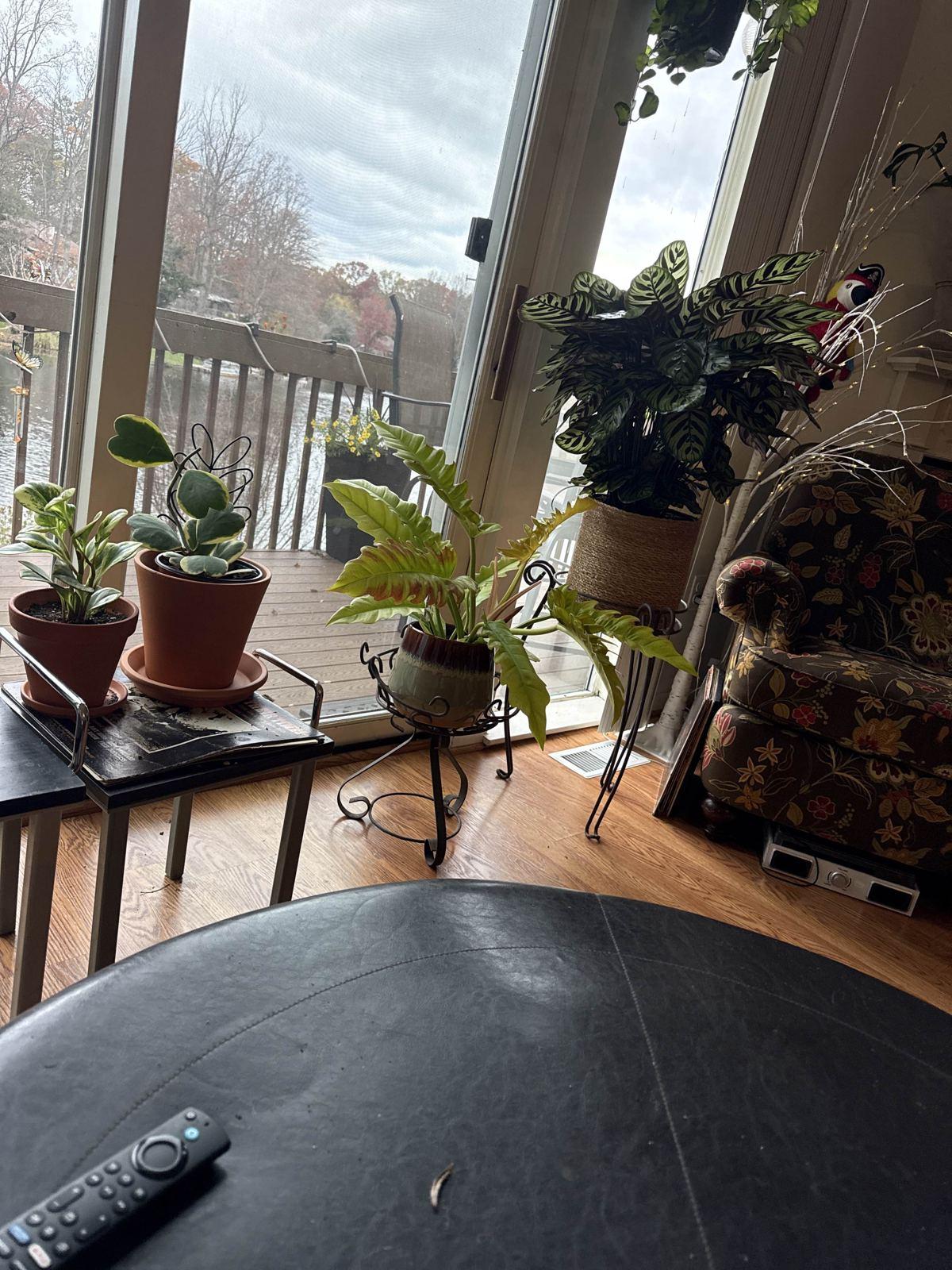
Rattlesnake plant is a striking tropical houseplant known for its long, wavy leaves with dark green markings and a deep purple underside. It grows in a clumping form and adds a bold, patterned look to bright indoor spaces. Like other prayer plants, its leaves move slightly with changes in light over the day.
Safety
Toxicity information is AI-generated and may be inaccurate. Always check with a vet or doctor before relying on it around children or pets.
Perks
Basic info
- Family
- Marantaceae
- Genus
- Goeppertia
- Plant type
- Perennial
- Native region
- Brazil
- Difficulty
- Moderate
Fun fact
Its leaves can fold and shift position in response to light, a trait common to prayer plants.
Care profile
Difficulty
Moderate
Toughness
Medium
Maintenance
Medium
Watering
Weekly
Care tips
- 1
Keep the soil evenly moist but never soggy.
- 2
Use filtered or distilled water if possible to avoid leaf browning.
- 3
Maintain higher humidity and avoid cold drafts.
Common problems
Brown leaf edges Moderate
Often caused by dry air, mineral-heavy water, or inconsistent watering; increase humidity and use filtered water.
Read our brown leaf tips guide →Curling leaves Moderate
Usually a sign of underwatering or low humidity; check soil moisture and raise humidity around the plant.
Yellowing leaves Mild
Can result from overwatering or poor drainage; let the top layer dry slightly and ensure the pot has drainage holes.
Read our yellow leaves guide →History
Rattlesnake plant comes from the tropical understory of Brazil, where it evolved to thrive in warm, humid, dappled shade. It became popular as a houseplant because of its dramatic leaf pattern and its reputation as a classic prayer plant, moving its leaves in response to light changes.
Popular questions
How often should I water a rattlesnake plant?
Water when the top inch of soil starts to dry out, keeping the mix consistently lightly moist. In warmer months this may be about once a week, while in winter it may need less. Avoid letting it sit in standing water.
Why are the leaf edges turning brown on my rattlesnake plant?
Brown edges are usually caused by low humidity, fluoride or minerals in tap water, or inconsistent watering. Try using distilled or filtered water and place the plant near a humidifier or pebble tray. If the pot dries out too much between waterings, the tips may brown faster.
How do I propagate a rattlesnake plant?
The easiest method is division during repotting, separating the root clumps into sections with healthy roots and leaves. Pot each division in fresh, moist mix and keep humidity high while it reestablishes. This plant is not typically propagated from leaf cuttings.